
Symptoms Spotlight: Ascites with Abigail Johnston and Melanie Sisk
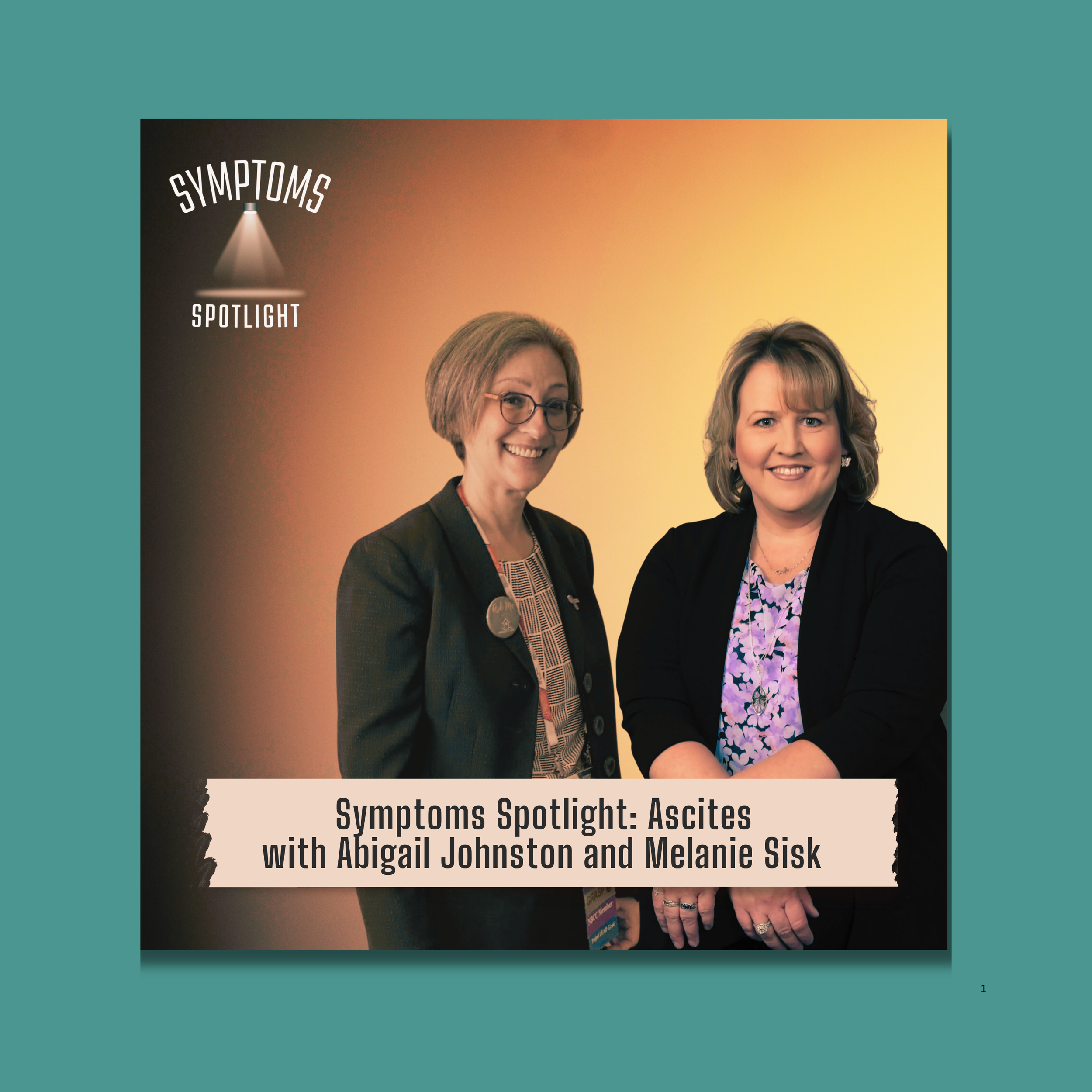
Live from Stage 4 | Episode # 042| 08/18/2026 | Symptoms Spotlight
Listen to full episode :
Hosts
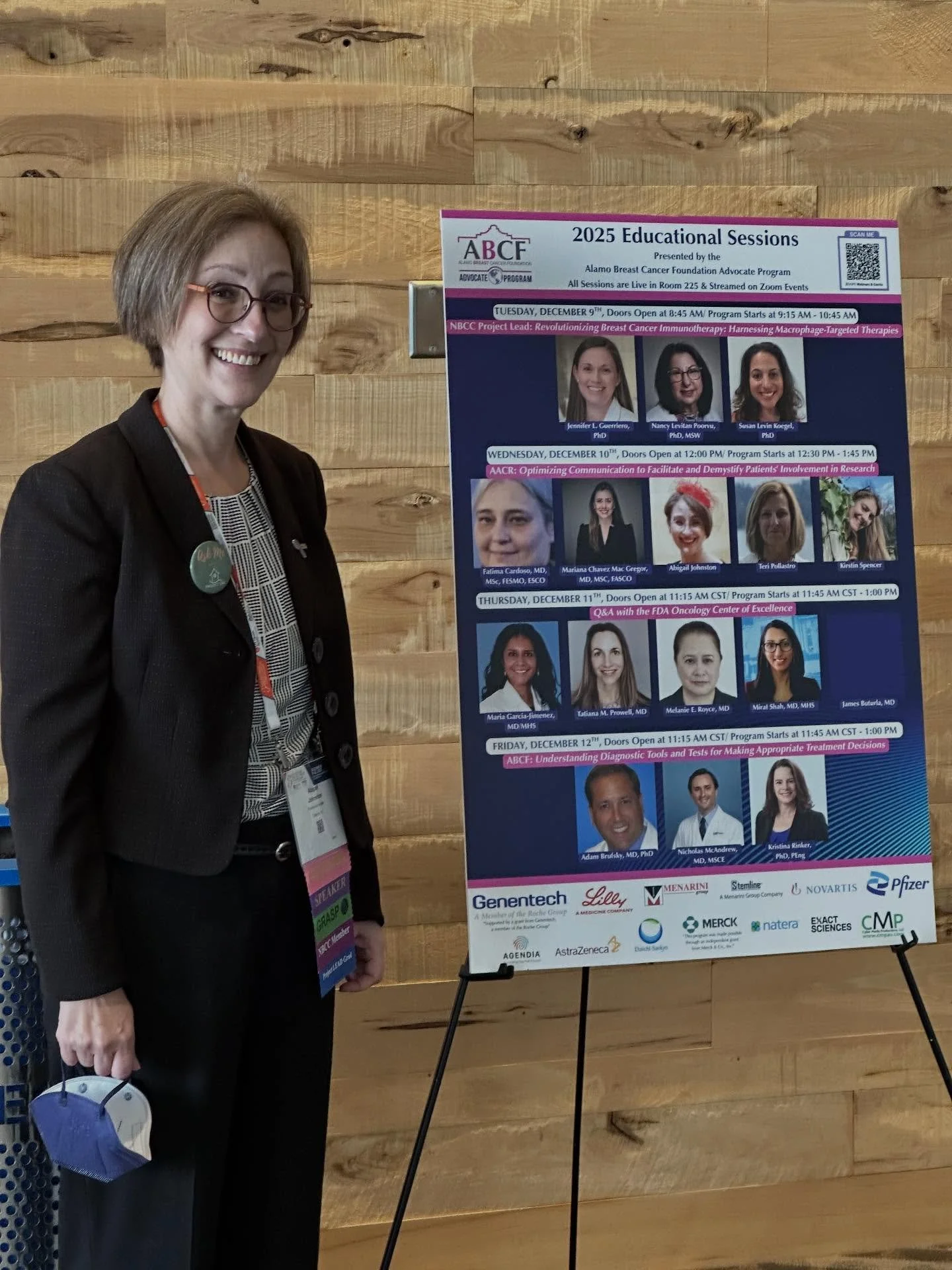


Abigail Johnston lives in Orlando, Florida and has been an attorney since 2002. In 2017, while tandem breastfeeding her boys (then 1 and 3), Abigail was diagnosed with de novo Stage IV Metastatic Breast Cancer (MBC) and soon thereafter discovered that she has a genetic mutation that predisposed her to developing cancer at ATM. Since her diagnosis, Abigail has focused her efforts on patient advocacy and supporting those people in the MBC Community through her experience and training, virtually and in person. She currently serves as the Director of Mentorship, Legal Clinics and financial services at Project Life, a founding member of the PIK3CA Pathbreakers, and volunteers with a variety of organizations including the MBC Alliance, FORCE, METAvivor, and many others. Connect with Abigail via her blog at NoHalfMeasures.blog.
Melanie Sisk was a wife, mom of two young boys, and working full-time as a Registered Nurse when she was diagnosed with Stage 1A Breast Cancer at the age of forty-three. She completed her recommended surgery and radiation and was on endocrine therapy. Melanie thought she had put cancer behind her because she did everything right. However, she was diagnosed with Metastatic Breast Cancer at the age of forty-seven. Due to her metastatic treatment protocol and disease, she retired from her nursing career. Melanie has dived into advocacy work with an urgency to do what she can, while she can. She helped to start and moderate a local support group in her area of North Carolina called Piedmont Triad METsters. She is a trained volunteer with Cancer Services, Inc. and a Peer to Peer Support Group Leader and Light Up MBC State Captain for METAvivor. She is a Living Beyond Breast Cancer 2023 Hear My Voice MBC leadership alumna and a mentor with Project Life. She also serves on the MBC Leadership Committee for Surviving Breast Cancer. She is also a part of the new initiative, PIK3CA Pathbreakers.
Dr. Jill N. Tirabassi, MD, MPH is a physician, researcher, wife, mother, athlete, and advocate living with metastatic breast cancer (MBC). Diagnosed de novo on October 13, 2022—Metastatic Breast Cancer Day—while pregnant with her second son, Jill’s experience has fueled her passion for raising awareness about postpartum breast cancer (PPBC) and advocating for improved understanding and treatment of this distinct subtype of breast cancer.With a background in preventive and lifestyle medicine research, Jill is dedicated to educating patients and clinicians about PPBC’s unique risks, including its high likelihood of metastasis. She believes the oncology community must develop tailored treatment approaches for PPBC and prioritize research, particularly in immunotherapy, to improve outcomes for those diagnosed. Jill is also a proponent of exercise and evidence-based lifestyle medicine as critical components of cancer care, challenging gaps in their integration into oncology treatment plans. Through her work and advocacy, Jill is committed to driving change and improving the lives of those living with PPBC and MBC.
Summary
What happens when fluid builds up where it shouldn't?
In this episode of Symptom Spotlight, hosts Abigail Johnston and Melanie Sisk sit down with Dr. Jill Tirabassi, a physician living with metastatic breast cancer, to demystify ascites — the buildup of fluid in the abdominal cavity that can accompany MBC and liver disease.
Dr. Jill brings a rare dual perspective to this conversation. As a doctor, she explains the medical side: what ascites is, why a struggling liver causes it, and how portal hypertension leads to fluid backup in the body. As a patient, she shares what it actually felt like — the belly distension, the frustration of getting winded climbing stairs as an athletic person, and the life-changing relief of having two liters of fluid drained in a single procedure.
In this episode:
What ascites is and why it happens with metastatic breast cancer and liver disease
Symptoms to watch for: abdominal pressure and pain, distension, shortness of breath, back pain, leg swelling, and itching
How ascites shows up on scans and what fluid testing can reveal
Treatment options, from paracentesis (fluid draining) to diuretics, dietary changes, and at-home drainage ports
When to consider adding a hepatologist or interventional radiologist to your care team
Why ascites isn't always caused by cancer itself — sometimes it's the treatment, and a therapy switch can reverse it
The biggest takeaway? Be your own advocate. As Dr. Jill's story shows, you know your body best — and your quality of life belongs in every treatment conversation.
This episode is for general information only and is not medical advice. Please talk with your own care team about your specific situation.
Resources on Ascites
American Cancer Society – Fluid Buildup in the Abdomen (Ascites)
Cancer Research UK – Fluid in the Abdomen (Ascites) cancerresearchuk.org/about-cancer/coping/physically/fluid-in-the-abdomen-ascites
Memorial Sloan Kettering – About Your Paracentesis mskcc.org/cancer-care/patient-education/about-your-paracentesis
Cleveland Clinic – Ascites: What it is, Symptoms, Causes & Treatment
