
Thriving Together 2026: From Silent Voices to Hear My Voice - 20 Years of the LBBC’s MBC Conference
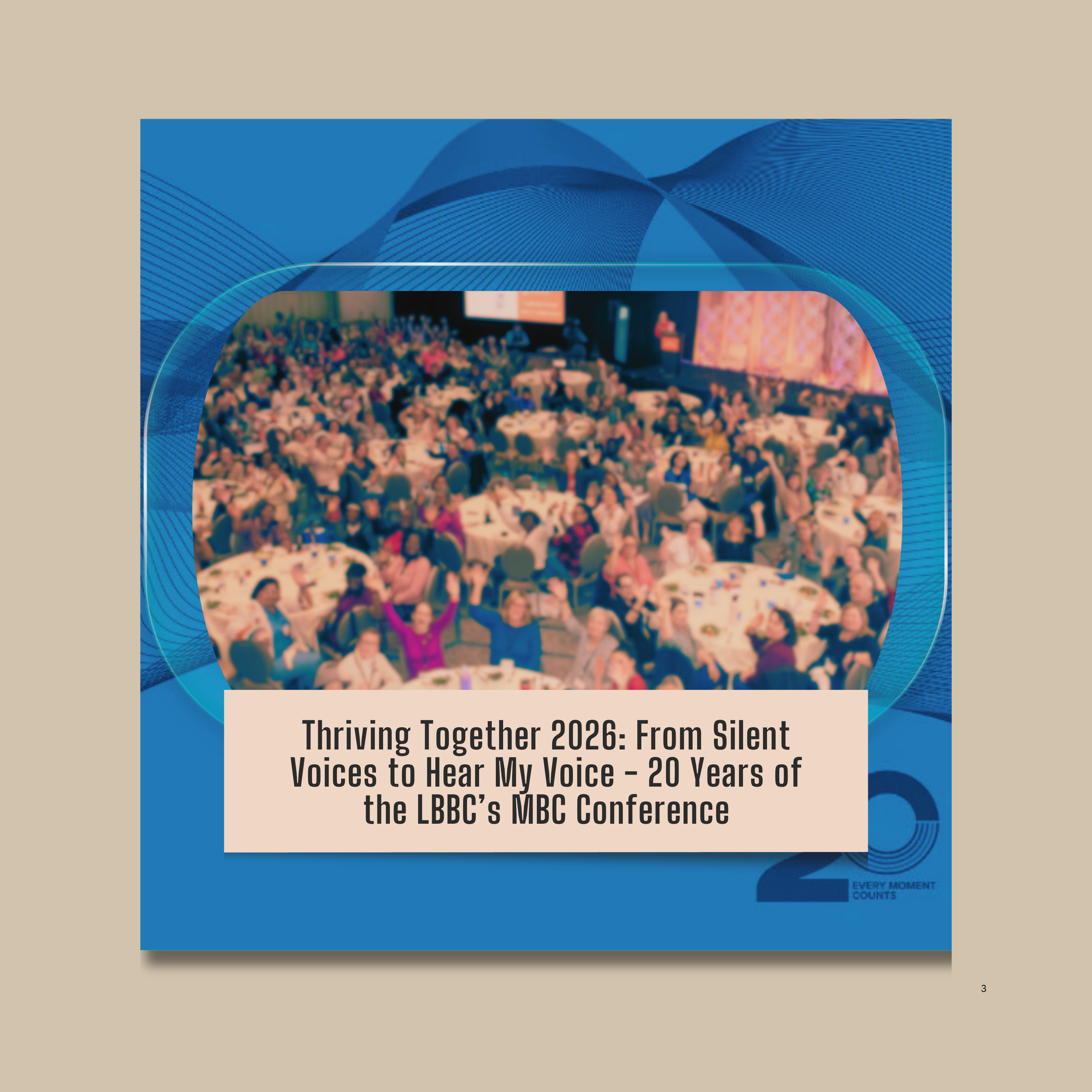
Live from Stage 4 | Episode # 026| 4/29/2026 | Thriving Together 2026 - 20 Years of LBBC
Listen to full episode :
Hosts
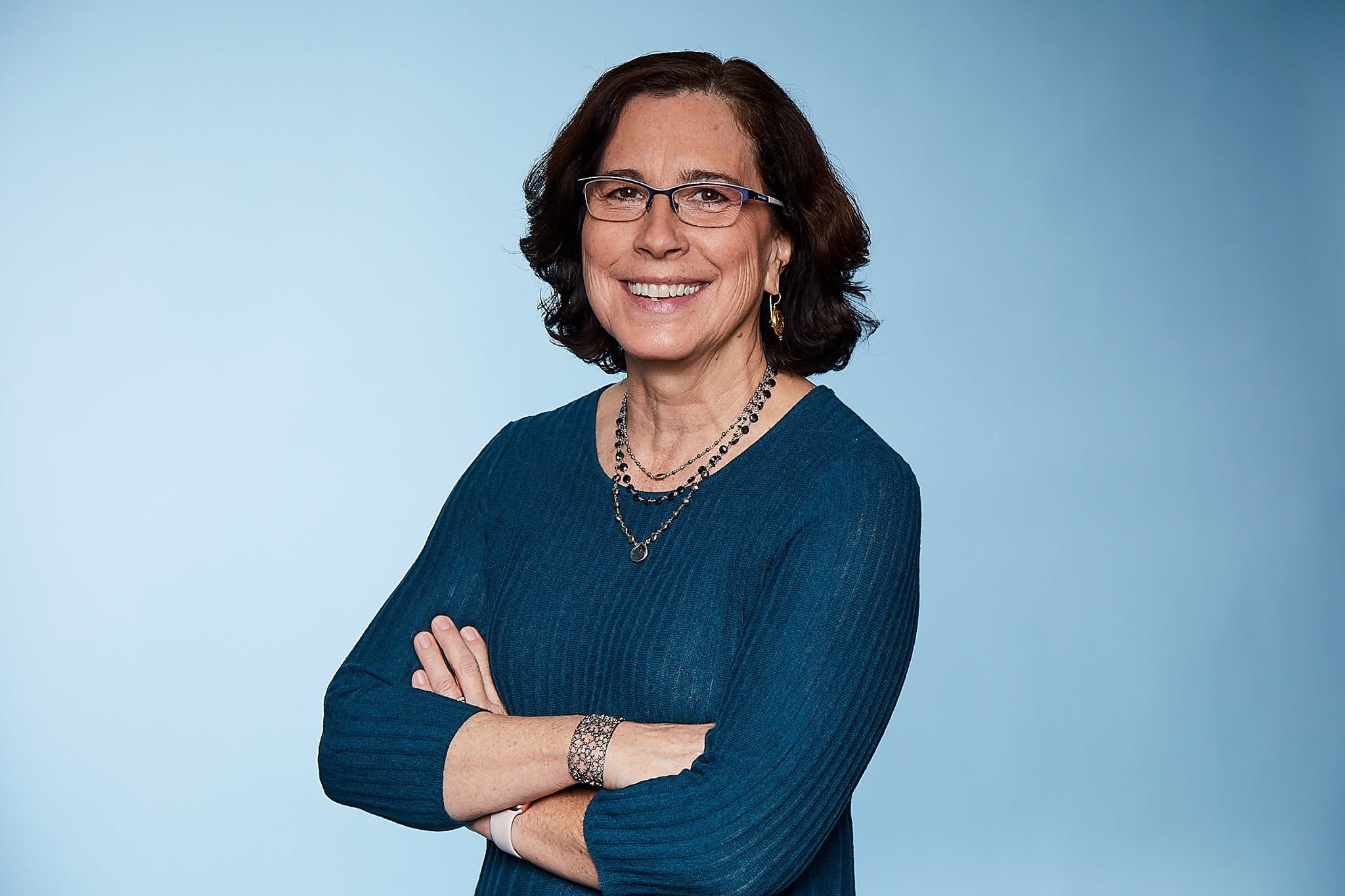

Catherine Ormerod, MSS, MLSP is visionary leader and advocate dedicated to social change, healthcare equity, and women’s empowerment. With a career spanning over three decades, She has built and scaled impactful programs that support vulnerable populations and train the next generation of community leaders.
Catherine holds a Master of Social Services (MSS) and a Master of Law and Social Policy (MLSP) from the Bryn Mawr College Graduate School of Social Work and Social Research.
Most recently, she served as the Executive Vice President for Strategy and Mission at Living Beyond Breast Cancer (LBBC), leading strategic expansion and empowering national communities affected by diagnosis.
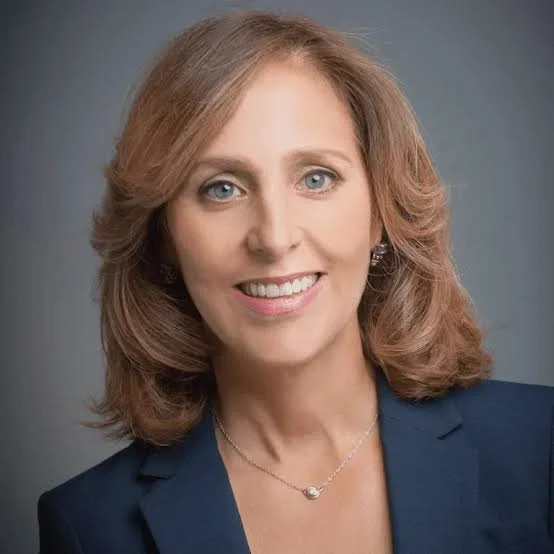
Elyse Spatz Caplan, MA is accomplished leader, innovator, and champion for patient-centered engagement in oncology. Throughout a distinguished career spanning comprehensive cancer centers, national non-profits, and the biopharma industry, Elyse has dedicated herself to amplifying the patient voice and driving equitable healthcare outcomes.
Most recently, Elyse served as the Senior Director of US Oncology Community Engagement & Advocacyat Gilead Sciences, where she designed strategic frameworks to bridge complex care ecosystems with the communities they serve. Prior to her time in biotech, she spent over a decade in the non-profit sector as the Director of Programs and Partnerships at Living Beyond Breast Cancer (LBBC). At LBBC, she led national outreach strategies, infused critical patient insights into educational programming, and expanded vital resources for underserved communities.
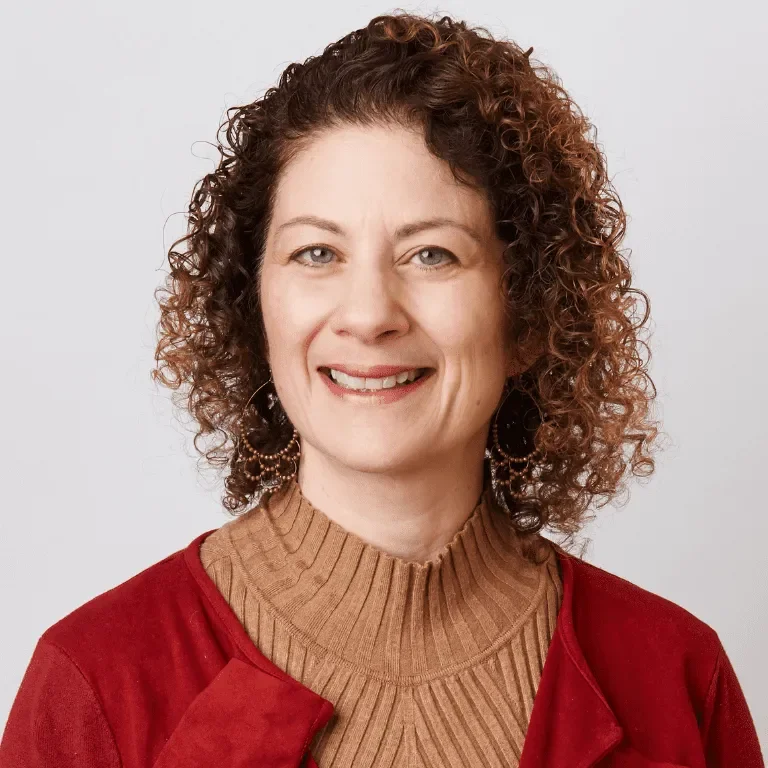
Jean Sachs, MSS, MLSP, is the Chief Executive Officer of Living Beyond Breast Cancer (LBBC), a premier national nonprofit providing trusted information and a community of support to hundreds of thousands of people affected by breast cancer each year. A social worker by training and at heart, Jean has dedicated nearly three decades to elevating patient voices, closing healthcare disparities, and expanding critical resources for survivors and caregivers. Under her executive leadership, LBBC has grown from a local group with a $100,000 budget into a massive national powerhouse with an annual budget exceeding $8 million, consistently maintaining Charity Navigator’s highest 4-star rating for two decades.
Janine Guglielmino, MA, is a prominent healthcare advocate, writer, and communications expert. She currently serves as the Director of Patient Resources & Advocacy at the Adult Congenital Heart Association (ACHA) and is the Vice Chair of the Metastatic Breast Cancer (MBC) Alliance. Janine spent 22 years spearheading patient education and programming as the Vice President of Mission Delivery for Living Beyond Breast Cancer (LBBC). A former journalist, she uses her platform to bridge gaps in medical communications and champion equitable health resources across multiple disease communities.
Summary
Victoria Goldberg marks 20 years of Living Beyond Breast Cancer's Metastatic Breast Cancer Conference with the people who built it. In a roundtable with CEO Jean Sachs, Elyse Spatz Caplan, and Cathy Ormerod, and a separate conversation with Janine Guglielmino, they trace the conference from idea to institution.
They recall the 2005 Silent Voices survey, the first of its kind to ask people living with metastatic disease what they actually needed, which drew nearly 700 responses and was presented at ABC1 in Lisbon and SABCS. The first conference followed in 2006: about 125 people at a hotel outside Philadelphia, when many attendees had never met another person with MBC. From there, the story widens to travel grants that removed cost as a barrier, partnerships with the Metastatic Breast Cancer Alliance and its global counterpart, the pandemic pivot to a virtual conference in 2020, and the Hear My Voice advocacy program, launched in 2015, whose alumni went on to found organizations like Project Life and change the advocacy landscape. The episode closes with the Changemakers project honoring 20 years of advocates, and a look at what's next: more research, better access, and support for people living longer with MBC.
Featured programs & organizations:
Nonprofits & advocacy organizations
Living Beyond Breast Cancer (LBBC)
Young Survival Coalition
Metastatic Breast Cancer Alliance
ABC Global Alliance
Project Life
GRASP
Susan G. Komen
Forward For Toby
Avon (Avon Foundation breast cancer funding)
Breast Cancer Research Foundation
Industry
Pfizer (the Bridge Survey)
Medical institutions & conferences
University of Pennsylvania (Penn)
ABC1 / Advanced Breast Cancer Consensus Conference (Lisbon)
SABCS (San Antonio Breast Cancer Symposium)
LBBC programs mentioned: Hear My Voice, Silent Voices, Changemakers.
Key Takeaways
Ask patients what they need. The 2005 Silent Voices survey, the first in the world to survey people living with metastatic disease directly, drew nearly 700 responses and became the roadmap for the conference and beyond.
Share knowledge, don't hoard it. LBBC published the results as a white paper, presented at ABC1 and SABCS, and its work inspired Pfizer's global Bridge Survey and served as a model for other metastatic conferences.
Remove cost as a barrier. Travel grants, starting with just $2,500 in year one, have been essential; attendees consistently say they couldn't come without them. Pharma can't fund direct patient support, so grants rely on individual donors and families.
Peer connection matters as much as education. Many attendees have never met another person with MBC before the conference; the in-person community is as valuable as the medical content.
Advocacy training multiplies impact. Hear My Voice (2015) drew 110 applications for 25 spots; alumni founded Project Life, GRASP, patient-centric dosing initiatives, and more.
Adaptability keeps a mission alive. The 2020 pandemic pivot to virtual was costly and hard, but live-streaming remains, serving those who can't travel.
Progress is real but incomplete. Dozens of new therapies in 20 years, yet no cure; financial toxicity and unequal access to standard of care remain the community's biggest concerns.
