
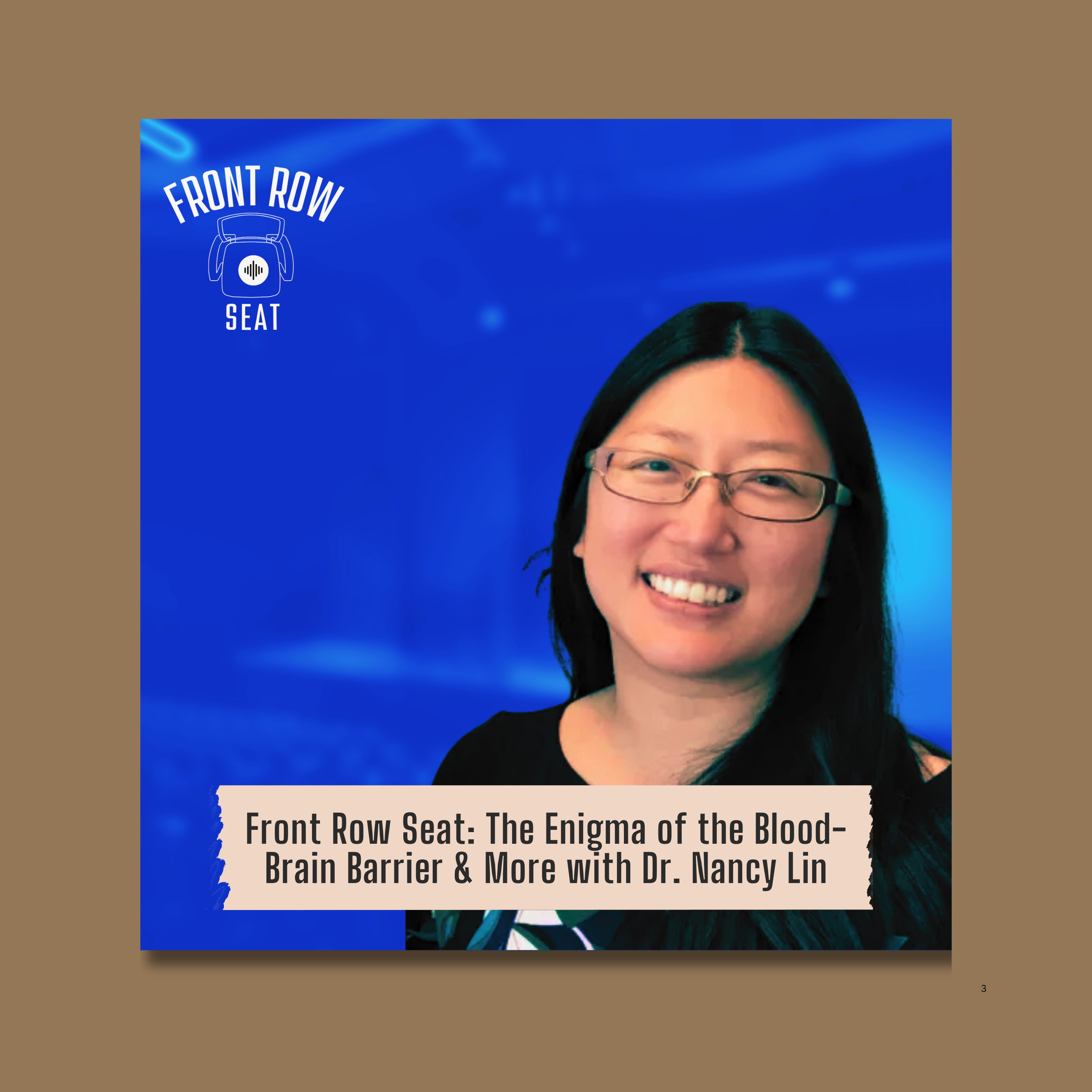
Live from Stage 4 | Episode # 024| 4/14/2026 | Front Row Seat
Listen to full episode :
Guest
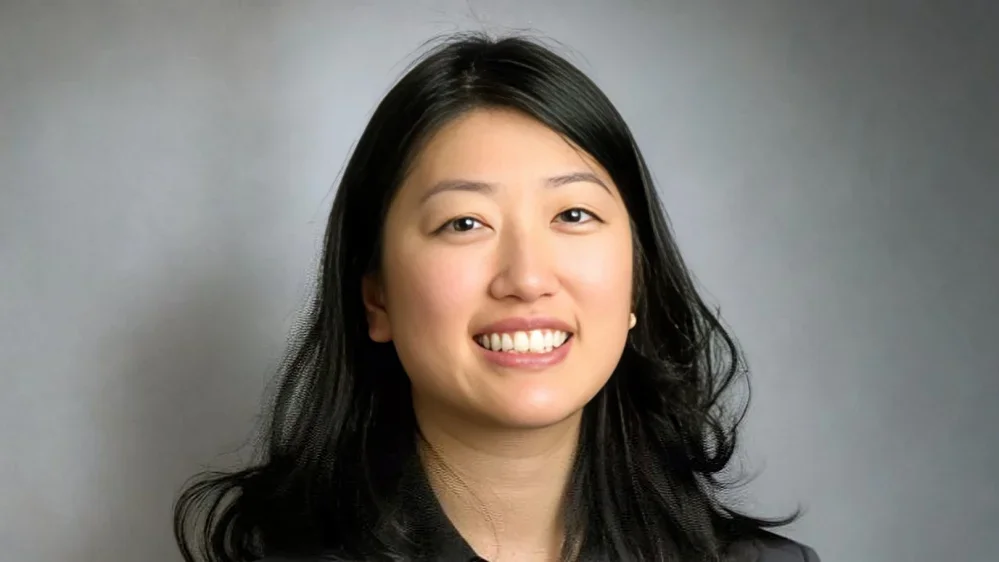
Nancy U. Lin, MD
A renowned medical oncologist based in Boston, MA.. She specializes in all stages of breast cancer, with a globally recognized focus on metastatic breast cancer and brain metastases.
Current Roles & Affiliations
Dana-Farber Cancer Institute: Associate Chief of the Division of Breast Oncology at the Susan F. Smith Center for Women's Cancers.
Harvard Medical School: Professor of Medicine.
Leadership: Founder and Director of the Metastatic Breast Cancer Program and the Program for Patients with Breast Cancer Brain Metastases.
Research: Principal Investigator for the Translational Breast Cancer Research Consortium at Dana-Farber.
Research & Clinical Expertise
Dr. Lin's career is defined by her efforts to develop effective systemic therapies for cancers that have spread to the brain—a traditionally difficult-to-treat complication due to the blood-brain barrier.
HER2-Positive Breast Cancer: She has led multiple clinical trials, including the landmark HER2CLIMB study, which evaluated tucatinib for patients with brain metastases.
Innovative Trials: Her research explores novel diagnostic methods, targeted therapies, and mechanisms of resistance to HER2-based treatments.
Global Guidelines: She holds leadership roles in international committees, such as the Response Assessment in Neuro-Oncology (RANO) working group, to establish standards for managing metastatic disease.
Education & Training
Medical Degree: Graduated cum laude from Harvard Medical School in 1999.
Residency: Internal Medicine at Brigham and Women’s Hospital.
Fellowships: Hematology and Medical Oncology at Dana-Farber Cancer Institute.
Notable Awards
Distinguished Researcher Award (2023).
Women in Oncology Award (2023).
George Canellos Award for Excellence in Clinical Investigation (2011).
Young Investigator Award from Conquer Cancer (2005
Summary
In this episode, Victoria Goldberg sits down with Dr. Nancy Lin, medical oncologist at Dana-Farber Cancer Institute and a leading expert in metastatic breast cancer brain metastasis, to explore one of the most complex and rapidly evolving areas in breast cancer treatment.
Dr. Lin opens with an overview of the current treatment landscape for brain metastasis across all subtypes. For HER2-positive patients, she discusses antibody drug conjugates like T-DXd and TDM-1, the oral TKI tucatinib, and how focused radiation — including SRS, Gamma Knife, and CyberKnife — is now preferred over whole-brain radiation for most patients. For ER-positive and triple-negative patients, she highlights emerging data on CDK inhibitors and ADCs showing real activity in the brain.
Dr. Lin then offers a candid assessment of the HER2 CLIMB-05 trial — why the brain metastasis prevention data fell short of expectations — and shares intriguing findings from the Patina trial suggesting that palbociclib (Ibrance) may reduce brain metastasis incidence in ER+/HER2+ patients.
The conversation then turns to the central theme of Dr. Lin's presentation at the ABC8 Global Advanced Breast Cancer Conference in Lisbon: the enigma of the blood-brain barrier. She explains the critical distinction between the intact blood-brain barrier and the disrupted blood-tumor barrier — and why that difference has fundamentally changed how oncologists think about treating brain metastasis. Many drugs once dismissed as "unable to cross the BBB" are proving effective in brain mets precisely because the blood-tumor barrier is leakier than the healthy barrier.
Dr. Lin also previews what's coming next: focused ultrasound with microbubbles to temporarily open the blood-brain barrier, receptor-mediated transcytosis to ferry drugs directly into the brain, and a new generation of drugs — including ZN-1041 (zilanertinib), IAMBIC's HER2-targeted compound, and brain-penetrant PARP inhibitors — designed from the ground up to cross the blood-brain barrier.
The episode closes with a discussion on routine brain MRI screening — an area where clinical thinking is shifting — and a look at Dr. Lin's current research, including a trial of Dato-DXd for ER+ and triple-negative brain metastasis and a registry for leptomeningeal disease (LMD), which will be the focus of a dedicated future episode.
Key topics covered:
Current treatments for HER2+, ER+, and triple-negative brain metastasis
Tucatinib and the HER2 CLIMB-05 prevention data
Palbociclib and brain metastasis incidence from the Patina trial
The blood-brain barrier vs. the blood-tumor barrier
Focused radiation: SRS, Gamma Knife, CyberKnife, and proton CSI for leptomeningeal disease
Focused ultrasound, microbubbles, and the Trojan horse approach to drug delivery
New drugs designed specifically for brain penetration
Routine brain MRI screening: where the evidence is heading
Preview: leptomeningeal disease and the LMD registry
This episode is for informational purposes only and does not constitute medical advice. Visit livefromstage4.org for transcripts, resources, and additional information on topics discussed.Key Takeaways
Key Takeaways
Treatment options for brain mets have expanded significantly. Across all subtypes — HER2+, ER+, and triple negative — there are now more effective options than ever, including ADCs, oral TKIs like tucatinib, and precision radiation techniques.
Tucatinib treats brain mets but hasn't proven to prevent them. The HER2 CLIMB-05 trial showed tucatinib helps patients who already have brain metastasis, but did not show a convincing signal for preventing brain mets in patients who didn't yet have them.
Palbociclib (Ibrance) may help prevent brain metastasis in ER+/HER2+ patients. A subanalysis of the Patina trial found fewer brain metastasis diagnoses in patients on the palbociclib arm — a meaningful and lasting effect, though not from a perfectly designed screening study.
The blood-tumor barrier is not the same as the blood-brain barrier. When cancer spreads to the brain, it disrupts the barrier, making it leakier. Many drugs once thought unable to reach the brain — including ADCs — actually do get into brain metastases effectively enough to produce responses.
Focused radiation is now preferred over whole-brain radiation for most patients. SRS, Gamma Knife, and CyberKnife allow precise targeting of individual tumors. Whole-brain radiation is increasingly reserved as a later option.
Proton CSI is a game-changer for leptomeningeal disease. It delivers radiation to the entire brain and spinal cord with far less toxicity to surrounding organs, making treatment accessible to patients who previously weren't candidates.
Treatment decisions are always personalized. Choosing between radiation and systemic therapy depends on subtype, number of lesions, location, prior treatment history, and patient preference — always a collaborative decision.
New drugs are being designed specifically to cross the blood-brain barrier. This is a shift from the past, when brain penetration was an afterthought. Compounds like zilanertinib (ZN-1041) and brain-penetrant PARP inhibitors are in early trials with promising results.
Focused ultrasound with microbubbles can temporarily open the blood-brain barrier. This experimental approach allows drugs to enter the brain at higher concentrations, then lets the barrier reseal naturally — already showing early results in glioblastoma patients.
Brain metastasis subtype can differ from the original tumor. About 15% of tumors that were HER2-negative elsewhere can be HER2-positive in the brain. If surgery is performed, always request full receptor testing (ER, PR, HER2) on the brain tissue.
Routine brain MRI screening guidelines are likely to change. Evidence is building, and Dr. Lin expects a significant shift in recommendations within the next two years as new trial data emerges.
Leptomeningeal disease (LMD) is a separate and serious complication that requires its own treatment approach and will be covered in a dedicated future episode.
Ongoing/Active Clinical Trials:
ELECTRA –Elacestrant (Orserdu) in combination with abemaciclib (Verzenio) demonstrated clinical activity and was well tolerated in patients with estrogen receptor (ER)–positive, HER2-negative metastatic breast cancer who received prior treatment with endocrine therapy and another CDK4/6 inhibitor, according to data from the phase 1b/2 ELECTRA trial (NCT05386108) presented at the 2024 ESMO Congress
DATO-Base: A phase II study of DATOpotamab deruxtecan for patients with breast cancer brain metastases or leptomeningeal disease
ZN-1041 ( Perzebertinib) As of 2025, preliminary data suggested ZN-1041 is a "best-in-class" BBB-penetrable HER2 inhibitor. Early trials (NCT04487236) showed encouraging results, including a 79.4% confirmed response rate and 100% disease control rate in some cohorts. Studies show promise for ZN-1041 combined with trastuzumab deruxtecan (T-DXd) and capecitabine.
Iambic Therapeutics IAM1363-01: A phase 1/1b study of a selective and brain-penetrant HER2 inhibitor for HER2-driven solid tumors
LMD Registry – Not a trial per se, but a registry run by Dr. Lin and Dr. Satah Sammons for leptomeningeal disease patients, with potential collaboration with European colleagues.
Completed/Referenced Studies:
HER2-CLIMB – Original trial testing Tucatinib + Trastuzumab + Capecitabine in HER2+ metastatic breast cancer (later-line). First to include patients with active, untreated brain mets. Showed ~doubling of CNS progression-free survival and improved overall survival. Changed standard of care.
HER2-CLIMB-05 – Follow-up trial testing whether Tucatinib could prevent brain metastases in first-line HER2+ patients on maintenance therapy. Overall positive for disease control (especially in ER-, HER2+ subtype, delaying chemotherapy by ~1 year), but disappointing on CNS prevention signal.
PATINA trial – Maintenance trial for ER+/HER2+ patients. Adding Palbociclib (Ibrance) to Herceptin + Perjeta + hormonal therapy showed ~4 years of tumor control. A sub-analysis showed fewer brain metastasis diagnoses in the Palbociclib arm, sustained over 3 years.
Studies Referenced in Passing (Focused Ultrasound):
Pilot/non-randomized studies in glioblastoma (GBM) using focused ultrasound + microbubbles to temporarily open the blood-brain barrier — patients survived longer than typical GBM expectation.
-
[00:00:39] Speaker: Hi friends, this is Victoria Goldberg and I have to be honest with you, today is one of those episodes where I'm just genuinely excited because my guest is someone I truly love, someone I admire enormously, and someone I'm lucky enough to call my friend. Dr. Nancy Lin is a medical oncologist at Dana-Farber Cancer Institute
and one of the leading experts in the country on metastatic breast cancer brain metastasis, both in the clinic and in the research world. Dr. Lin is a gifted scientist, a dedicated physician, and one of those rare people who brings both brilliance and deep compassion to everything she does.
Her patients are lucky to have her, and today, so are we. Now, the topic for today actually came from a talk Dr. Lin gave at the ABC eight Global Advanced Breast Cancer Conference in Lisbon, a major international oncology meeting. Her presentation had a title that stopped me in my tracks,
Enigma of the Blood-Brain Barrier. I loved it so much that I thought our listeners need to hear this, and so we'll be getting into that today. But before we do, I couldn't resist the opportunity to ask Dr.
Lin about the current landscape in treating brain metastasis. A lot has changed. We've seen a wave of new treatments for triple negative, HER2 positive and even ER positive breast cancer patients who develop brain mets from antibody drug conjugates like TDXD and SACITUZUMAB to oral agents like Tukatinib to advances in focused radiation.
There is real hope where there wasn't much before. So we are going to start there and then we'll dive into the blood brain barrier: what it is, why it's an enigma, and what's coming next. Before we get into today's conversation, here are a few things worth knowing. If you've been following breast cancer research, you already know that the disease comes in different subtypes.
HER2 positive, ER positive and triple negative and that the subtype drives treatment decisions. Today's conversation goes deeper into what happens when those cancers reach the brain.
You'll hear about the blood brain barrier, a protective filter that shields the brain from toxins in the bloodstream.
[00:03:05] Victoria: Think of the blood brain barrier as the brain's own security system. It sits between your bloodstream and your brain cells, and its job is to keep harmful things out, toxins, bacteria, anything that doesn't belong.
The problem is it also keeps out most medications including chemotherapy. Now when a tumor grows in the brain, it disrupts that barrier and creates what's called a blood tumor barrier. This one is leakier, so some drugs can get through. It's not consistent.
Different parts of the tumor let in different amounts of drugs, which makes treatment unpredictable. So the challenge isn't just getting a drug to work. It's getting it through the right barrier, in the right amount to the right place.
Antibody drug conjugates or ADCs are a newer class of drugs. Think of them as a guided missile, an antibody that seeks out cancer cells and delivers chemotherapy directly to them. Examples, including Inhertu and Tradelvy and TDM1, the very first antibody drug conjugate. TKIs, tyrosine kinase inhibitors are small oral drugs that block the on switch for cancer cell growth from inside the cell. Unlike the antibodies, they're small enough to cross the blood brain barrier. Tukatinib is a HER2 targeted TKI used specifically for breast cancer that has spread to the brain.
Focused radiation techniques like CyberKnife and gamma knife targets individual tumor precisely as opposed to whole brain radiation, which treats the entire brain. And finally, leptomeningeal disease or LMD, this is when cancer spreads into the fluids surrounding the brain and spinal cord.
It's one of the most serious and complex complications of metastatic breast cancer, and it requires its own treatment approach entirely. Dr. Lin touches on it briefly here, but we'll be dedicating a full episode to LMD, so consider this your introduction. Now here is Dr. Lin.
Dr. Nancy Lynn . One of my
favorite
People in the whole world is here with us, and I'm so, so very happy to see you. Welcome to our new podcast.
[00:05:33] Nancy Lin: Thank you so much.
Thank you for inviting me.
[00:05:36] Victoria: Of course. You know that anytime you want to come, we are happy to see you. We don't have that much time and I have a lot to cover.
So let's,
Talk specifically About , new treatments for brain metastasis for different subtypes. It's a common knowledge that the triple negative breast cancer and the HER2 positive breast cancer tend to go to the brain.
[00:06:00] Nancy Lin: Mm-hmm.
[00:06:01] Victoria: We've also seen Quite a few people with ER positive, breast cancer have brain metastasis at some point. But to make people feel a little better, in the last 10 years there've been a lot of new treatments So what are the promising treatments right now for different subtypes?
[00:06:23] Nancy Lin: Sure. Specifically related to brain metastases, if we look at estrogen receptor positive subtype,
there is actually an ongoing clinical trial called
Electra,
which is combining Elacestrant, which is an oral hormonal therapy along with Abemaciclib, which is a CDK inhibitor because both drugs actually do get into the brain.
So that's, I think, a really interesting clinical trial that is ongoing.
Also, for both estrogen receptor positive and triple negative breast cancer patients, we're seeing activity of antibody drug conjugates. So these are medicines that are , like uh, Tradelvy or , and Inhertu or Datraway. So they're medicines that are antibodies
with an chemotherapy attached to it. The antibody finds its way to the cancer and delivers the chemo at high concentrations. And then for patients with HER2 positive breast cancer, we have, a number of different options. Not just the antibody drug conjugates, but also oral medicines like Tukatinib that can lead to pretty profound tumor shrinkage.
And then beyond all the chemo targeted therapy, et cetera, there also have been continuing advances with radiation therapy.
[00:07:43] Victoria: Mm-hmm.
[00:07:44] Nancy Lin: So that we're able to use less whole brain radiation or push it out further delay it. There are more focused radiation options, expanded use of focused radiation options. And then for people who have lepto meningeal disease, cancer that's in the spinal fluid, there has been the advent of a type of radiation called proton CSI, which allows us to give radiation in a way that wasn't possible before because of side effects.
[00:08:13] Speaker 4: Let's pause to explain something Dr. Lin just mentioned. Proton CSI stands for cranial Spinal irradiation. It's a form of radiation therapy that treats the entire brain and spinal cord , the full central nervous system . Doctors use it when cancer has spread to the spinal fluid. Traditional CSI uses X-ray based radiation, which can cause significant side effects because the beam passes through healthy tissue on its way in and out of the body. Proton CSI uses proton beams instead. Protons are heavier particles that can be precisely targeted to deposit most of their energy directly at the tumor site. And then stop. This means far less radiation exposure to the heart, lungs, and other surrounding organs. For patients with cancer in the spinal fluid, this precision matters enormously.
It makes a treatment that was previously too toxic for many patients. Now far more tolerable and opens the door to treating people who might not have been candidates before. While we're on the topic of radiation, let's also explain the focused radiation treatments. Dr. Lin mentioned SRS, Gamma Knife and CyberKnife. SRS stands for Stereotactic Radio Surgery. Despite the name, it isn't surgery at all. No incisions, no operating room. It's a highly precise form of radiation therapy that delivers a very high dose of radiation to a small, specific target in the brain while minimizing exposure to the surrounding healthy tissue, it can treat one of several brain metastasis in a single session or a few sessions. Gamma Knife is one of the most well known SRS systems. It uses hundreds of tiny beams of gamma radiation that all converge on the same precise point. Each individual beam is too weak to cause damage on its own, but where they all meet the dose is powerful enough to destroy the tumor.
It has been used for decades and has a very strong track record for treating brain metastasis. CyberKnife is another SRS system, but instead of fixed beams, it uses a robotic arm that moves around the patient delivering radiation for many different angles. It also has real time tracking built in, which means it can adjust for small movements during treatment.
This makes it especially useful for tumors, in sensitive or hard to reach locations. All three approaches, sRS, Gamma Knife and CyberKnife share the same core goal treat the tumor precisely, preserve healthy brain tissue and avoid the side effects that come with whole brain radiation for patients with a limited number of brain metastasis.
These focused options have largely replaced whole brain radiation as the preferred approach.
[00:11:28] Victoria: So when you are faced with the choice of either doing a, , radiation therapy or systemic therapy, how do you make a decision which is better for patient?
[00:11:39] Nancy Lin: Yeah, it's a really important question and it really is a kind of collaboration to make the best decision. A collaboration with the radiation oncologist, patient, and medical oncologist.
Because what you need to do in every situation is to say, well, what would be the best radiation option? What would be the best systemic therapy option? How do they compare to each other? What's the patient's history been? What's important to the patient from their perspective? And then each time, we will come up with a personalized recommendation. Just to give some examples 'cause that's very general.
But let's suppose somebody is on, Kadcyla TDM-1 one and they're doing really well and the cancer in the liver is very well controlled and there's like two new brain metastases that appear for the first time. And they're relatively small and they're in not super sensitive locations. That person, most typically we would recommend focused radiation, whether with SRS or CyberKnife or , gamma Knife, but some sort of focused radiation and continue the TDM-1.
Whereas somebody who comes and let's suppose they're on Taxol, Herceptin, Perjeta, and they have 15 brain metastases appear. That person, oftentimes we will just switch to Inhertu 'cause we know that there's a high chance of response and we think that it's likely preferable to giving whole brain radiation therapy.
One could argue, could one give SRS 15 lesions? Yes, technically it's usually possible, but perhaps in that situation we might tend to try the systemic therapy first. So it is a case by case situation based on the patient and based on what we think the likelihood is of the systemic treatment to work,
which is really more of the wild card. Radiation in general has a pretty high likelihood of working on the lesions that are targeted. And so more what we're thinking about is, how well does the systemic therapy compare to that?
[00:13:52] Victoria: I just talked to Dr. Erica Hamilton about HER2CLIMB-05, and I wanted to ask your opinion, how do you feel about a preventative Tukatinib for people with HER2 positive disease as the first line of maintenance,
I guess, treatment?
[00:14:10] Nancy Lin: Yeah. I would say that I was overall somewhat disappointed by the prevention data from HER2CLIMB-05, which I would split into two different parts. Part one is for patients who have known brain metastases. So they went in the trial. We knew they had cancer in the brain.
They were treated for those patients. There was clearly a benefit to Tukatinib. Tukatinib did delay the time to a worsening of cancer in the brain. But the other group that was looked at, was the overall group of patients enrolled in the trial, most of whom did not have brain metastases going in. And what we had hoped is we would see a substantial prevention or delay of brain metastases associated with Tukatinib.
Uh, so it would be better to prevent them altogether than to treat. We really didn't see a signal that was convincing, I don't think so. I was a little bit disappointed by that. It was a bit surprising as well because in the original HER2CLIMB trial, which was looking at later line
patients, the patients who've already had
a number of previous treatments before they went on the trial, there was a much clear signal for CNS or a brain met prevention. So they did look at everybody enrolled in the trial, over 600 patients to see what is the time to
the development of a new brain metastasis. And, there was
what appeared to be a real signal of delay and prevention. So I don't know how to reconcile the two results. Obviously the groups of patients enrolled are very different. And maybe that's the difference, but that's what we see right now.
[00:15:55] Victoria: What is the difference in the cohorts
[00:15:57] Nancy Lin: So HER2CLIMB-05 was a first line group of patients. So patients who have been doing well on their first treatment and then switched to maintenance. Mm-hmm. HER2CLIMB, just plain HER2CLIMB was patients who had already gotten a number of prior therapies for their metastatic breast cancer and then went on the trial.
[00:16:15] Victoria: Right. Well, that makes sense. So that's very disappointing actually, because I thought. You were gonna say? Oh yeah. It's such positive result.
[00:16:25] Speaker 3: I mean, the trial itself was a very positive trial.
[00:16:28] Nancy Lin: It really helped.
And it particularly helped in people with estrogen receptor negative, HER2 positive breast cancer where it on average delayed the time to need to start chemotherapy by a year. And that's the average. So there are people who got longer than that, the trial itself is definitely a positive trial. We are incorporating it into our routine clinical practice. I think it shows effectiveness in the way that the trial was designed to
show.
But just that one point I think was, again, in the patients with brain mets, it did help delay, but patients without, I don't think, as of yet. We, maybe with more follow up, we'll see something different. But right now with the current data that we have, I don't think it's convincing.
[00:17:13] Victoria: Let's take a moment and explain the HER2CLIMB and the HER2CLIMB -05 studies. HER2CLIMB trial, the original study that put Tukatinib on the map for breast cancer that had spread to the brain. HER2CLIMB enrolled patients with HER2 positive metastatic breast cancer who had already received multiple prior treatments.
What made this groundbreaking was that it's specifically included patients with active untreated brain metastasis, a group that is typically excluded from clinical trials. The trial tested a combination of Tukatinib, trastuzumab, known as Herceptin and capecitabine, also known as Xeloda against placebo, plus the same two drugs.
The results were striking adding to Tukatinib nearly doubled the time patients with brain metastasis went without their cancer worsening in the brain. It also significantly improved overall survival. This was the first time a targeted therapy showed such a clear and meaningful benefit, specifically for breast cancer in the brain, and it changed the standard of care. HER2CLIMB-05 is the follow-up trial and it asks a different question. Can Tukatinib prevent brain metastasis from developing in the first place? This trial enrolled a very different group. Patients with HER2 positive metastatic breast cancer who were doing well on their first line treatment and transitioning to maintenance therapy.
Most of these patients did not have brain metastasis when they enrolled . The trial tested adding Tukaatinib to the standard maintenance regimen of Trastuzumab, Pertuzumab, known as Perjeta and hormonal therapy. The overall trial was positive. Tukatinib did extend the time patients stayed on treatment without their cancer progressing, and that benefit was especially strong in patients with estrogen receptor negative, HER2 positive disease, where it delayed the need for chemotherapy by about a year on average.
However, the question of prevention whether Tukatinib could stop brain metastasis from appearing in patients who didn't have them was disappointing. Unlike the original HER2CLIMB trial, there was no convincing signal that Tukatinib was preventing new brain metastasis in the earlier line lower risk population.
So the takeaway is this. Tukatinib clearly helps treat brain metastasis once they exist. Whether it can prevent them before they develop remains an open question.
So as you said in the beginning, that it's better to prevent brain metastasis.
If it's not Tukatinib, what do you recommend right now to your patients?
[00:20:00] Nancy Lin: The other data that was really interesting that was recently presented by Otto Metzker, is a analysis from the Patina trial. So this was also a maintenance trial, but this maintenance trial was restricted to patients with estrogen receptor positive HER2 positive
Breast cancer. So patients who had been on like Taxol, Herceptin, Perjeta, or Docetaxel (Taxitere), Herceptin, Projeta, some variation thereof, if they were doing well they were transitioned to maintenance either with Herceptin Perjeta Hormonal Therapy or Herceptin Perjeta Hormonal Therapy and Ibrance or Palbociclib, which is a CDK inhibitor.
We already saw the original results of the trial, which showed that adding the palbociclib really substantially increase the length of time of tumor control out to almost four years. I mean, it was really remarkable. What we saw recently was an analysis of, when patients were diagnosed with brain metastases in the two groups of patients on the trial, and the patients who were enrolled in the Ibrance or the palbociclib arm, they did actually have overall fewer brain metastases.
They have fewer brain metastasis diagnoses and this extended out even when they followed patients for three years. It was not like a transient or temporary effect. It really seemed to be a long lasting effect. One of the issues with the study is that patients didn't have regular routine brain MRIs.
It wasn't done routinely on a schedule. So this was based on people having symptoms and then a doctor ordered a scan and that's not, you know, quite the quote Perfect way
[00:21:42] Victoria: mm-hmm.
[00:21:43] Nancy Lin: To quantify a difference, but nevertheless, it was, I think, a real difference , and pretty interesting.
[00:21:50] Victoria: Wow.
[00:21:51] Nancy Lin: Yeah.
[00:21:51] Victoria: Wow. Well, since you mentioned it, let's talk about routine brain MRIs. It's still not in the guidelines, right? You still don't necessarily do brain screening for your patients. I remember years ago when you came for the first time to Our MBC Life, this question was asked, this question continues to be asked, and you gave some really good reasons for why routine screening is not necessarily a good thing.
Have you changed your mind about that and what do you do in the clinic now?
[00:22:29] Nancy Lin: It's a great question. I think that I have evolved and many people have evolved, maybe not to the point of doing screening and everybody at all times forever, but I think that the differences are that we have an increasing recognition of.
Comparing patients with breast cancer versus lung cancer, where patients with breast cancer generally don't get screened, patients with lung cancer usually do get screened and looking how people do when they develop brain metastases, how many people you know have, how many on average brain metastases, how large they are, whether the people have symptoms.
We are seeing some of that data and also as we have treatments where the choice of treatment might depend on whether people have brain metastases or not. It becomes important to know about it from a treatment standpoint. So in fact, at the meeting that we were at together in Lisbon last year, there was a real debate about this.
I think that we have now two published trials. There are several other trials in the wings that I assume will report out data within the next one to two years. And what I do think is that in two years when the A BC meeting happens again in Lisbon, I guess it will be 2027, I think that we may swing the pendulum even further, but what we talked about this time was, well, how far should we swing it now while we wait for additional data to come back?
But , we are seeing more and more reasons to think about screening even if it's not from perfectly designed clinical trials. So the places that I think about it now are a newly diagnosed patient where they have a lot of disease because the amount of disease in the rest of the body is a risk factor for the chance of having cancer in the brain.
And it's good to know that upfront. And then when patients have cancer, that's worse outside of the brain if it's going to affect the choice of treatment. For example, if somebody were on first line in HER2 for HER2 positive metastatic breast cancer and their cancer gets worse, and we're trying to decide between giving Taxol, Herceptin Projeta or the Tukatinib Herceptin Xeloda regimen as the second regimen,
I would wanna know if somebody has cancer in the brain, that would affect my choice, because one of them has data for cancer in the brain and the other doesn't. So, I think that we're at least moving a little bit in that direction of there are circumstances where even in the absence of the
highest quality, A+ evidence that we feel it makes common sense to do it. And then of course, anybody who has symptoms. We ask about symptoms proactively, and anybody who has symptoms like headaches associated with nausea that we can't explain by their chemo regimen or focused problems with strength in one hand or one leg or whatever else it is.
Like those people, we have a very low threshold to order scans,
[00:25:48] Victoria: In our everyday life, our bodies get scanned every six months or something like that. Do you expect that you'll be doing the same thing for brain metastasis?
[00:26:00] Nancy Lin: I think right now, I feel like I'm not quite ready to go there for all patients at all times.
But as I said, we are seeing more data come out and my prediction is that in two years time when this committee meets again, and we see the new studies that are slated to come out over the next year, year and a half, two years, if the studies are supportive, which they very well could be,
I think we could be seeing like a major change in the guidelines.
[00:26:36] Victoria: let's move on to the main topic of today's conversation.
. So let's start at the beginning.
What is a
blood brain barrier and why is it so important?
[00:26:47] Nancy Lin: Well, the blood brain barrier is essentially a barrier between the blood vessels that bring nutrients and blood to the brain and the actual quote inside the brain, the brain cells themselves.
And the reason that it's there, and the reason why it's important is, it's really designed to protect our brains from toxins that might be circulating in the blood. But what that means is it also prevents things like chemotherapy or other drugs from getting through. So where drugs might easily be able to get into the liver, it might have a harder
time getting through the normal blood brain barrier. . The brain also has specific pumps and it actually not only is like a physical barrier, but actually actively pumps out chemotherapy drugs. So things that try to get through will be actively pumped out, but also has mechanisms to purposely pump in specific nutrients or other factors that the brain needs.
So it's a very complicated structure, but it really serves the purpose of protecting our brains.
[00:28:15] Victoria: So what is the enigma of the blood brain barrier?
[00:28:19] Nancy Lin: So you know, historically what we have thought about is that because there is the blood-brain barrier, we've assumed that the drugs that we use for cancer treatment if they don't get through the normal blood brain barrier
will not be worth testing in patients who have cancer in the brain and will not have any chance of working in the brain. And the thing that we have learned over time in multiple, multiple examples is that the blood tumor barrier, so when people have cancer that has spread to the brain, that barrier between the bloodstream and the brain metastases is actually very disrupted and abnormal.
And because of that, many of the drugs that don't cross a normal blood brain barrier actually get into brain metastases. Okay. Maybe not perfectly, but okay. Enough that we can see responses. And that's a really important concept because it opens up lots of drugs and also opens up the potential to enroll patients with brain metastases in clinical trials.
For example, many had thought antibody drug conjugates couldn't work in the brain because of the blood brain barrier. But it turns out that they actually do get into brain metastases just fine. And we are seeing people who have quite significant responses and this includes in people who have estrogen receptor positive or triple negative breast cancer.
[00:29:50] Victoria: So again, going back to the ABC8 conference, you mentioned a new technology called focused ultrasound. Am I saying it correctly? No? What is it? Can you explain it to us?
This was something new for me.
[00:30:05] Nancy Lin: There are ways actually to apply an ultrasound machine, not like the kind that you get your breast ultrasounds with or things like that, special machine that actually temporarily disrupts air bubbles. And those air bubbles then squeeze through the gaps in the blood brainin barrier and temporarily open up the blood-brain barrier.
And so it's not permanent 'cause you don't really wanna open it up permanently. 'cause again, as we talked about, there's a reason that it's there, but it like temporarily makes it leakier. Then you could potentially get drugs in at higher concentrations. And then naturally the blood-brain barrier goes back to what it was.
So there have been some studies in patients with glioblastoma or GBM, which is a kind of primary brain tumors. It's not breast cancers, different kind of cancer, but it's cancer that's in the brain, just showing that it's possible to do this technology, that it does get drug in and in a non-randomized, non phase three kind of study, but just an experience to see, like a pilot experience.
The patients with GBM on the study actually did survive longer than we normally expect for GBM patients, so it looked pretty interesting. I think the interesting potential use case of it is for smaller molecules, I think is unnecessary, but for larger molecules like antibodies or whatnot, maybe it would be helpful to really drive drug levels.
And I think it's a pretty novel, interesting technology. There are other technologies to try to get things across as well. Right. We talked about the fact that the brain actually has transporters to purposely bring over specific nutrients or specific compounds, and you can hijack them like a Trojan horse.
And you can stick things onto it so that it basically tricks the blood brain barrier into transporting things directly into the brain. And so there are companies working on actually making drugs that do that. , And so we hope that over the next year or two, maybe some of them will start entering clinical trials as well.
[00:32:21] Victoria: Is it available anywhere?
[00:32:23] Nancy Lin: Yeah. It's not, but I think it's just an example of how people are really trying to be super creative about the approaches.
[00:32:32] Victoria: Any other new drugs in development that you are excited about in addition to what we've just discussed?
[00:32:39] Nancy Lin: So I think that what's exciting is that a number of companies have put a lot of effort into developing drugs that are designed to cross the intact or normal blood brain barrier. And we talked about the fact that it probably doesn't matter so much for people who have brain metastases, whether a drug crosses or doesn't cross, like it could still work if it doesn't cross a normal blood brain barrier
'cause again, the blood tumor barrier. But if we're trying to really delay the onset of brain metastases, or we're really trying to eradicate little microscopic patches of cancer cells in the brain we probably need drugs that get through really well, a normal blood-brain barrier. So, historically it's just not been a major focus, but the exciting thing to me is that people are purposely designing drugs for this property. On purpose, not like by accident. So a couple of the companies, so Roche Genentech has a drug called ZN 10 41, now called Perzebertinib, which is a HER2 targeted drug that crosses the blood-brain barrier very well and looked very good in the phase one program.
And there will be a phase two/ three trial launched. There are companies, one is called Cogent, the other is Iambic that are making HER2 targeted. Again, drugs that get into the brain. , IAM bics drug is already in phase one. And so we're excited about that and we've seen some activity already in the patients enrolled.
And then there are PARP inhibitors. So for people who have like BRCA mutations, there are PARP inhibitors that are being developed specifically with brain penetration and , as we had talked about earlier, some of the hormonal therapies like the oral SERDs that you've probably had other talk about on the program.
[00:34:42] Victoria: You did mention Elacestrant in the beginning.
[00:34:45] Nancy Lin: Yeah. So I think it's pretty exciting to see companies really paying attention to this problem. I think it gives hope. I hope that it gives hope to patients that people are paying attention and it's not like by accident. I think a lot of the development until relatively recently has been by accident, right?
You have a drug that's developed for cancer in the liver, and you test to see if it works in the brain, and most of the time the answer is, if it works in liver, it works in the brain, but it's really different to start from the very ground up and develop a drug for the purpose of treating people with cancer in the brain and to see people investing in it, I think is really exciting.
[00:35:28] Victoria: It's
[00:35:37] Victoria: interesting you just mentioned it and I think you talked about it at the conference as well, the subtype that you have in your liver is not necessarily the same as in your brain.
[00:35:49] Nancy Lin: Mm-hmm.
[00:35:49] Victoria: And how do we actually find out what type of metastasis you have in your brain?
Can't just go in and drill your brain to do the biopsy.
[00:35:59] Nancy Lin: Yes. So it's a really good point. So most of the time it matches. We and others have done studies to show that the majority of time the overall subtype matches but we do see significant differences, especially in what's called ER loss.
So the brain met might no longer be estrogen receptor positive, even if the liver met was estrogen receptor positive. And we see about 15% of the time, we see a cancer that was HER2 negative in the body be HER2 positive in the brain.
[00:36:52] Nancy Lin: And obviously knowing that is so important because it means all these HER2 targeted treatments can be offered.
We don't have a great non-invasive way right now to figure that out either with imaging or with biopsy, not a biopsy, but a spinal tap. People are working on it. There are ways to make a guess from the spinal fluid, for example. So if there is HER2 amplification in the spinal fluid, we can make that guess, but we don't really have great data to say , how well these kind of more esoteric tests
really correlate with , if you were to take out the brain met what it actually is, and then more importantly, do the matched treatments work. I think that that's a really important area of research to figure out better non-invasive ways that do not require surgery basically
or a invasive brain biopsy. Like what are the other ways that we can use to to figure this out, but certainly it's the case that if somebody is going to the operating room for cancer removal from the brain, it's really important a hundred percent of the time to ask for the estrogen, progesterone receptor and HER2 testing to be done.
[00:38:14] Victoria: Okay. You have to go, but before you go, just one last question.
[00:38:18] Nancy Lin: Of course.
[00:38:18] Victoria: What are you working on right now? Anything you can share with us? What are you excited about in your research?
[00:38:26] Nancy Lin: So, I think for the purpose of this topic of brain metastases, I am working with woman named Dr.
Sarah Sammons on a trial of Datopotomab-deruxtecan or Datto DxD
for patients who have either estrogen receptor positive or triple negative brain metastases, because we know that there aren't as many good options for patients with these subtypes when it's gone to the brain. And we really wanna develop better treatments.
So that I'm excited about . I have been involved in clinical trials of that ZN 10 41, HER2 targeted compound. And I think the data looked really exciting and I'm really, really excited to see it move forward in later phase clinical trials to both really understand the activity of it and also expand the access to patients across multiple sites.
So , I'm really looking forward to that study getting going. Some of the HER2 TKIs that are new, like an Iambic compound. I'm involved in that trial and I think, again, really interesting compound. As well as that Electra study with the Elocestrant Abemaciclib.
So I think there's a lot of really interesting brain met studies. We also are with Dr. Sammons running a registry for patients with lepto meningeal disease, with the idea that not everything can be a clinical trial, but we can still learn from what we give to patients as part of routine clinical care and we can share it with each other.
And sometimes for rare diseases, one or two patients who have an exceptional response, that's enough to change what we do.
[00:40:04] Victoria: Yeah.
[00:40:05] Nancy Lin: And that can really affect the course of another person's life. So really excited about that LMD registry. And that has been something we've also discussed with our colleagues in Europe, how we could potentially join forces not within the same study, 'cause that's very different statistically, but just to be able to put together people who are interested in lepto meningeal disease and really try to learn from each other.
[00:40:30] Victoria: Well, you just opened that up for me. So we haven't talked about leptomeningeal disease, but i'll have to ask you to come back and talk about the registry and the leptomeningeal disease. You set yourself up. Thank you so much for being here. I know you have to go. It was so wonderful to see you. And next time we'll talk about Leptomeningeal disease.
[00:40:55] Nancy Lin: Okay,
[00:40:57] Victoria: thank you.
[00:40:57] Nancy Lin: It's really always such a pleasure to see you and talk to you. It's
[00:41:00] Victoria: such a pleasure to see you. See you soon. Take care.
That was Dr. Nancy Lin. We covered so much ground, the newest drugs that can actually reach the brain. Cutting edge radiation techniques that are changing what's possible and how doctors are getting smarter about choosing the right treatment for each person. We also got into some really eye-opening data, like why certain drugs that were supposed to prevent brain metastasis didn't quite deliver
that's pushing researchers to look harder at new approaches.
, Let's take a moment to demystify two of the most exciting approaches first, microbubbles, imagine tiny gas field spheres smaller than a red blood cell injected into your bloodstream. When focused ultrasound waves , hit these bubbles, they vibrate.
And briefly brow open the tight junctions of the blood brainin barrier, like gently knocking on a door that's normally locked shut. This creates a temporary localized opening precisely where we need it, allowing drugs that would normally never reach the brain to pass through safely.
Once the ultrasound stops, the door closes again. It's targeted, it's reversible, and it's already showing remarkable results in patients with high grade gliomas where we're seeing median survival times reaching 36 months, second . Receptor mediated transcytosis. Think of the blood brain barrier as a very selective bouncer at the club. Most drugs get turned away at the door, but certain molecules like transparent.
Have a VIP pass. They bind to receptors on the surface of the brain's blood vessel cells get pulled inside, carried across to the other side, and released into the brain tissue. By attaching our therapeutic drugs to these VIP molecules, we can essentially piggyback them across the barrier.
No force entry required. Both strategies represent the fundamental shift. Instead of trying to overwhelm the blood brain barrier, we are learning to work with it. The science that once seemed like science fiction is now saving lives . And that question about the routine . brain MRI scans. Dr. Lin's answer might surprise you
the thinking on this is shifting fast If this episode helped you understand what's out there . Give you better questions to ask your own doctor. Please share it and don't miss our next conversation. There is a lot, a lot more to explore.
This podcast is for informational purposes only and does not constitute medical advice. We covered a lot of complex topics today, including clinical trials and novel treatment approaches. Visit live from stage four.org for resources, transcripts, and explanations to help you go deeper on everything we discussed.
Always consult your own physician or healthcare provider before making any decisions about your treatment or care.
