
Symptoms Spotlight: Neutropenia with Abigail Johnston and Melanie Sisk
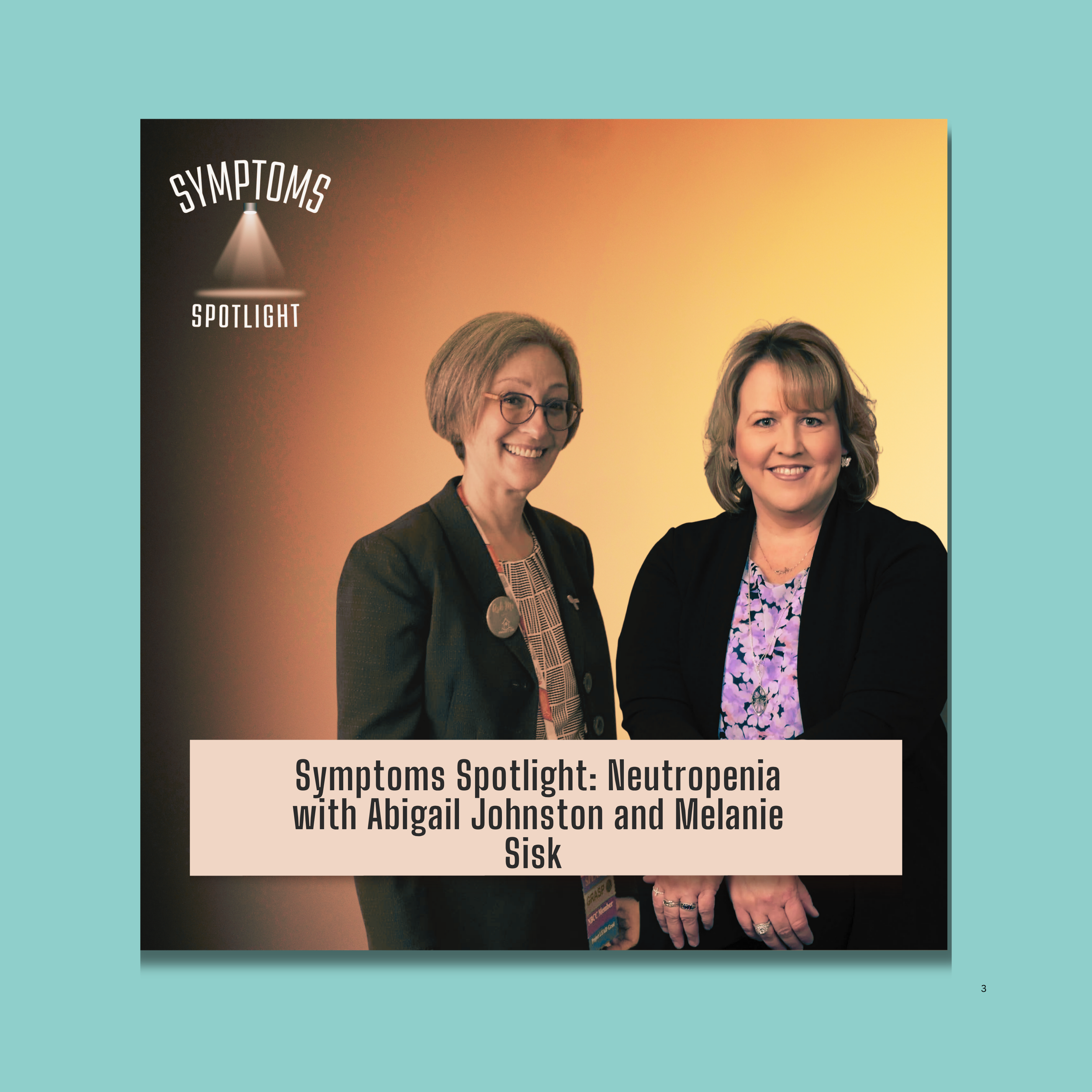
Live from Stage 4 | Episode # 032| 06/09/2026 | Symptoms Spotlight
Listen to full episode :
Hosts
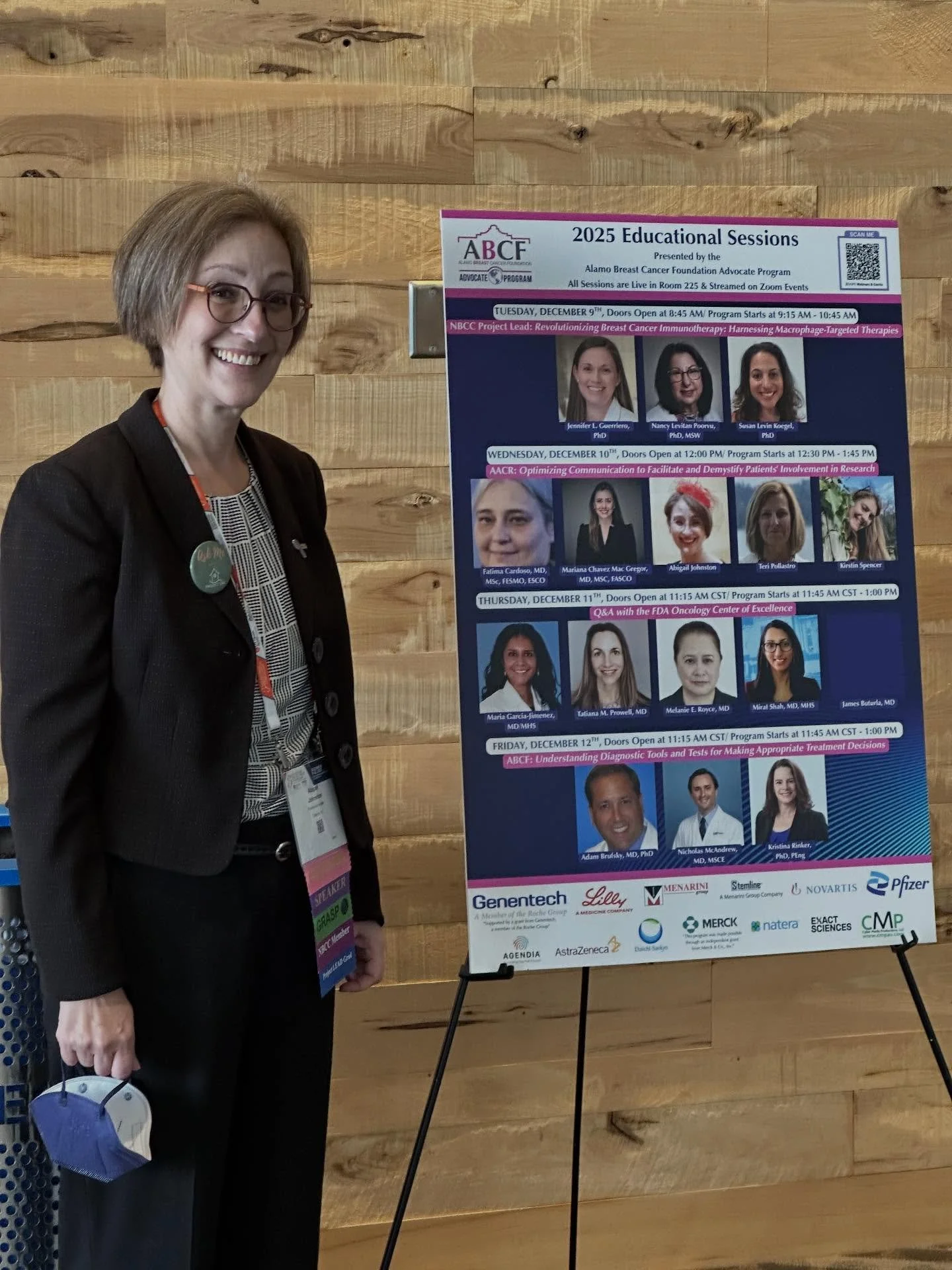
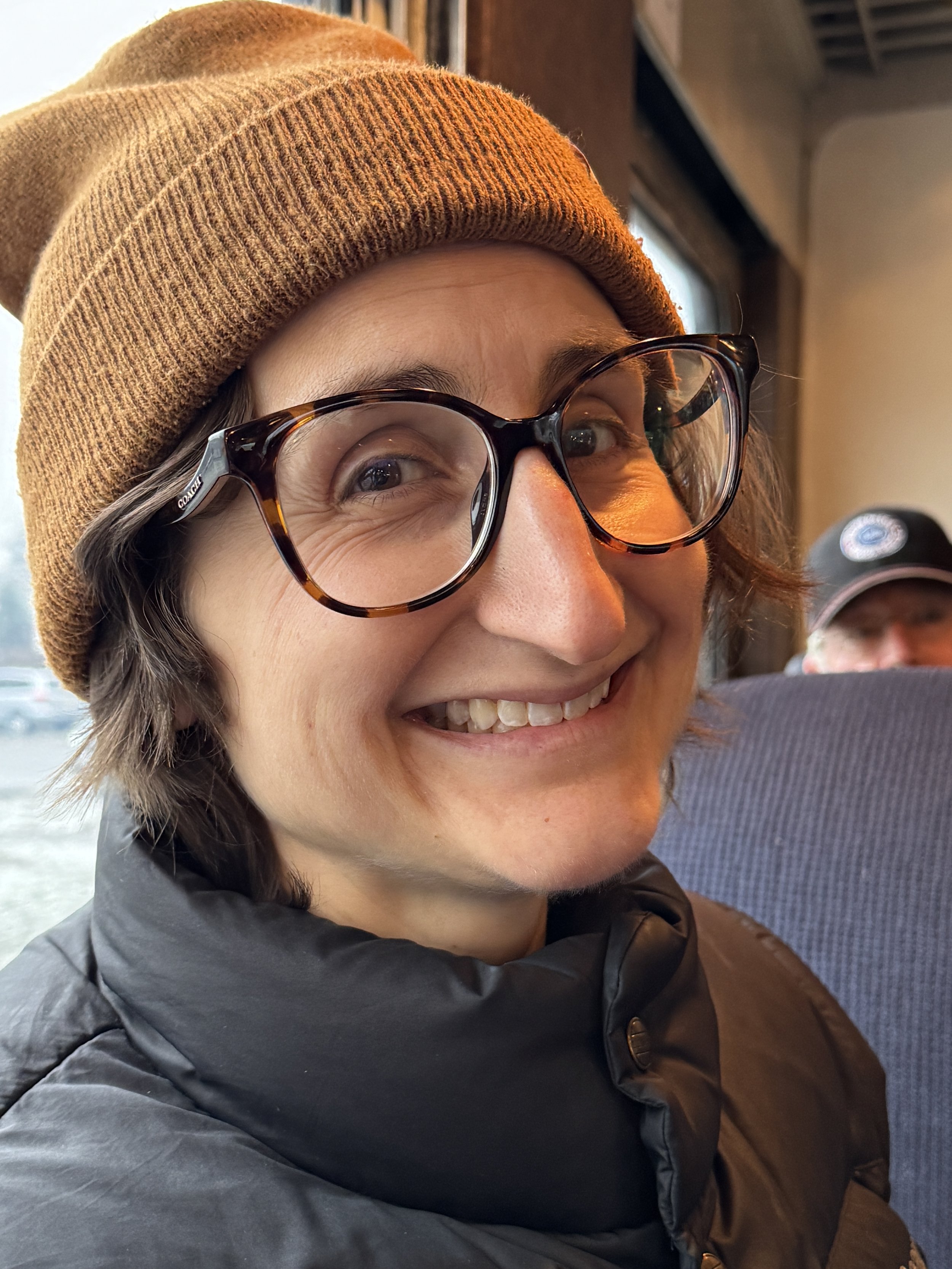
Abigail Johnston lives in Orlando, Florida and has been an attorney since 2002. In 2017, while tandem breastfeeding her boys (then 1 and 3), Abigail was diagnosed with de novo Stage IV Metastatic Breast Cancer (MBC) and soon thereafter discovered that she has a genetic mutation that predisposed her to developing cancer at ATM. Since her diagnosis, Abigail has focused her efforts on patient advocacy and supporting those people in the MBC Community through her experience and training, virtually and in person. She currently serves as the Director of Mentorship, Legal Clinics and financial services at Project Life, a founding member of the PIK3CA Pathbreakers, and volunteers with a variety of organizations including the MBC Alliance, FORCE, METAvivor, and many others. Connect with Abigail via her blog at NoHalfMeasures.blog.
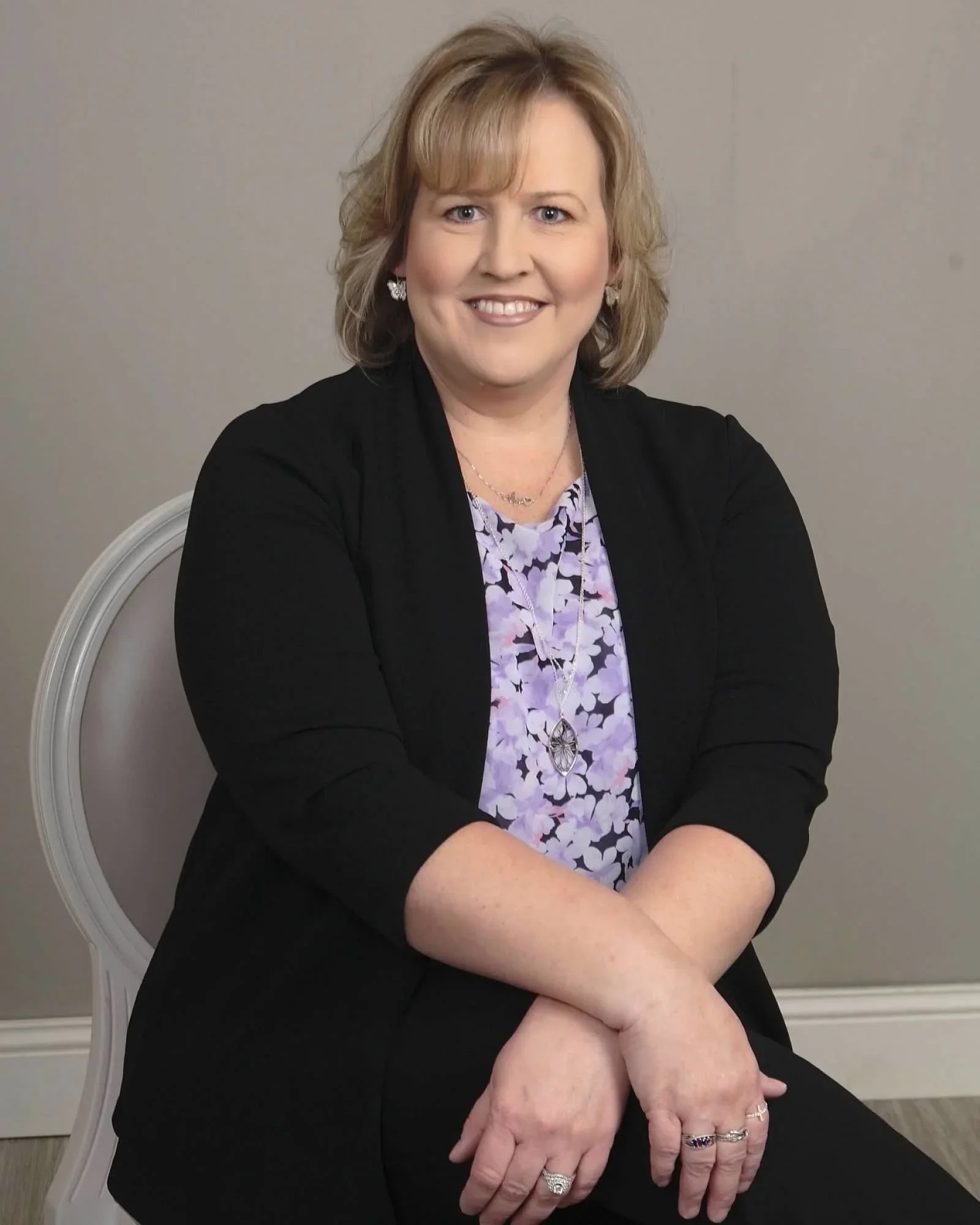
Melanie Sisk was a wife, mom of two young boys, and working full-time as a Registered Nurse when she was diagnosed with Stage 1A Breast Cancer at the age of forty-three. She completed her recommended surgery and radiation and was on endocrine therapy. Melanie thought she had put cancer behind her because she did everything right. However, she was diagnosed with Metastatic Breast Cancer at the age of forty-seven. Due to her metastatic treatment protocol and disease, she retired from her nursing career. Melanie has dived into advocacy work with an urgency to do what she can, while she can. She helped to start and moderate a local support group in her area of North Carolina called Piedmont Triad METsters. She is a trained volunteer with Cancer Services, Inc. and a Peer to Peer Support Group Leader and Light Up MBC State Captain for METAvivor. She is a Living Beyond Breast Cancer 2023 Hear My Voice MBC leadership alumna and a mentor with Project Life. She also serves on the MBC Leadership Committee for Surviving Breast Cancer. She is also a part of the new initiative, PIK3CA Pathbreakers.
Dr. Jill N. Tirabassi, MD, MPH is a physician, researcher, wife, mother, athlete, and advocate living with metastatic breast cancer (MBC). Diagnosed de novo on October 13, 2022—Metastatic Breast Cancer Day—while pregnant with her second son, Jill’s experience has fueled her passion for raising awareness about postpartum breast cancer (PPBC) and advocating for improved understanding and treatment of this distinct subtype of breast cancer.With a background in preventive and lifestyle medicine research, Jill is dedicated to educating patients and clinicians about PPBC’s unique risks, including its high likelihood of metastasis. She believes the oncology community must develop tailored treatment approaches for PPBC and prioritize research, particularly in immunotherapy, to improve outcomes for those diagnosed. Jill is also a proponent of exercise and evidence-based lifestyle medicine as critical components of cancer care, challenging gaps in their integration into oncology treatment plans. Through her work and advocacy, Jill is committed to driving change and improving the lives of those living with PPBC and MBC.
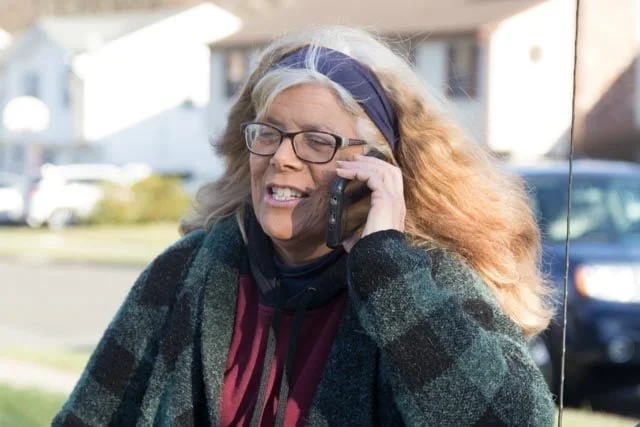
Lisa Backus is an award-winning reporter who currently covers breaking news and criminal justice policy for Hearst Connecticut Media Group.
Professional Profile
Role: Staff Writer and crime reporter for several publications under the Hearst umbrella, including CT Insider, the New Haven Register, and the Stamford Advocate.
Focus Areas: She specializes in local, state, and national breaking news, with a particular emphasis on criminal justice policy and significant trials within Connecticut.
Previous Experience: She has worked with Central Connecticut Communicationsand contributed to the Connecticut Health I-Team (C-HIT).
Recognition: Her work has earned various local, state, and national journalism awards.
Personal Life
When not reporting on major crime stories like the Michelle Troconis trial or other high-profile criminal cases, she enjoys spending time with her six grandchildren and her animal companions, Spot and Morgan
Summary
Neutropenia, a drop in infection-fighting white blood cells, is one of the most common side effects of chemotherapy and CDK 4/6 inhibitors. In this Symptom Spotlight episode, hosts Abigail Johnston and Melanie Sisk are joined by Dr. Jill Tirabassi (who is also a metastatic breast cancer patient herself) to demystify what neutropenia means, how it's monitored, and how it's managed.
Dr. Tirabassi walks through how your care team uses your absolute neutrophil count (ANC) to make treatment decisions, including dose delays, dose reductions, and bone marrow-stimulating injections. She shares practical guidance on reducing infection risk when counts are low, from dietary precautions to masking up, and discusses the side effects of bone marrow stimulators (including bone pain) and strategies to manage them.
Abigail and Melanie add their own firsthand accounts: Abigail's unexpected hospital admission due to a low ANC, Melanie's experience with dose reductions and a fever that landed her in the hospital with pneumonia, and the hard-won lesson that knowing your doctor's after-hours protocol before a crisis is essential.
Whether you're newly navigating neutropenia or looking to better understand your lab results and treatment options, this episode is full of practical, patient-centered insights.
Key Takeaways
Your absolute neutrophil count (ANC) is checked before every chemo dose. If it's too low, your doctor may delay your dose, reduce it, or prescribe a bone marrow-stimulating injection.
An ANC below 500 is a red flag. At that level, masking up, avoiding raw foods, and steering clear of infectious situations is strongly advised.
Bone marrow-stimulating drugs (like Neulasta and its biosimilars) are typically given at least 24 hours after chemo and about 14 days before your next round. A recent small study suggests delaying to 3 or 4 days after chemo may reduce side effects.
Bone pain is the most common side effect of bone marrow stimulators. Loratadine (Claritin) and NSAIDs may help, but check with your team first given potential interactions with kidney function or platelet counts.
CDK 4/6 inhibitors also lower neutrophil counts. Dose reductions are common and do not mean the medication is less effective at appropriate therapeutic levels.
Know your "go to the ER" number before you need it. Ask your oncology team in advance what ANC level or symptoms require urgent care, and find out how to reach them after hours.
Hospitals carry their own infection risks. If your ANC is very low, being admitted can sometimes be more dangerous than staying home, so knowing when to go (and when not to) matters.
If you develop a fever over 103, contact your oncology team immediately. Do not wait until regular office hours.
General healthy habits like sleep and exercise support your immune system, but they cannot substitute for medical intervention when counts are critically low.
Neutropenia means your neutrophil count is low, making you more vulnerable to infections that your body may struggle to fight off.
References
Study/Research
A small study is suggesting that delaying a bone marrow-stimulating injection from 1–2 days to 3–4 days after chemo may reduce side effects like bone pain. Here is a link to this article.
Medications/Drugs Referenced
Neulasta (pegfilgrastim) and its biosimilars — the bone marrow-stimulating injection class discussed throughout. Linking to the manufacturer page or a reputable medical resource (like chemocare.com or cancer.org) would be helpful for patients.
Loratadine (Claritin) — mentioned as a strategy to manage bone pain from bone marrow stimulators.
Naproxen/NSAIDs — mentioned as an alternative for bone pain management.
General Resources Worth Linking
The American Cancer Society's page on neutropenia and low white blood cell counts
What is Absolute Neutrophil Count (ANC) and How is it Measured in Blood Tests?
Nothing shared in this episode constitutes medical advice. Always consult your oncology team before trying new products, supplements, or interventions.rned about reclaiming healthy sleep.
