
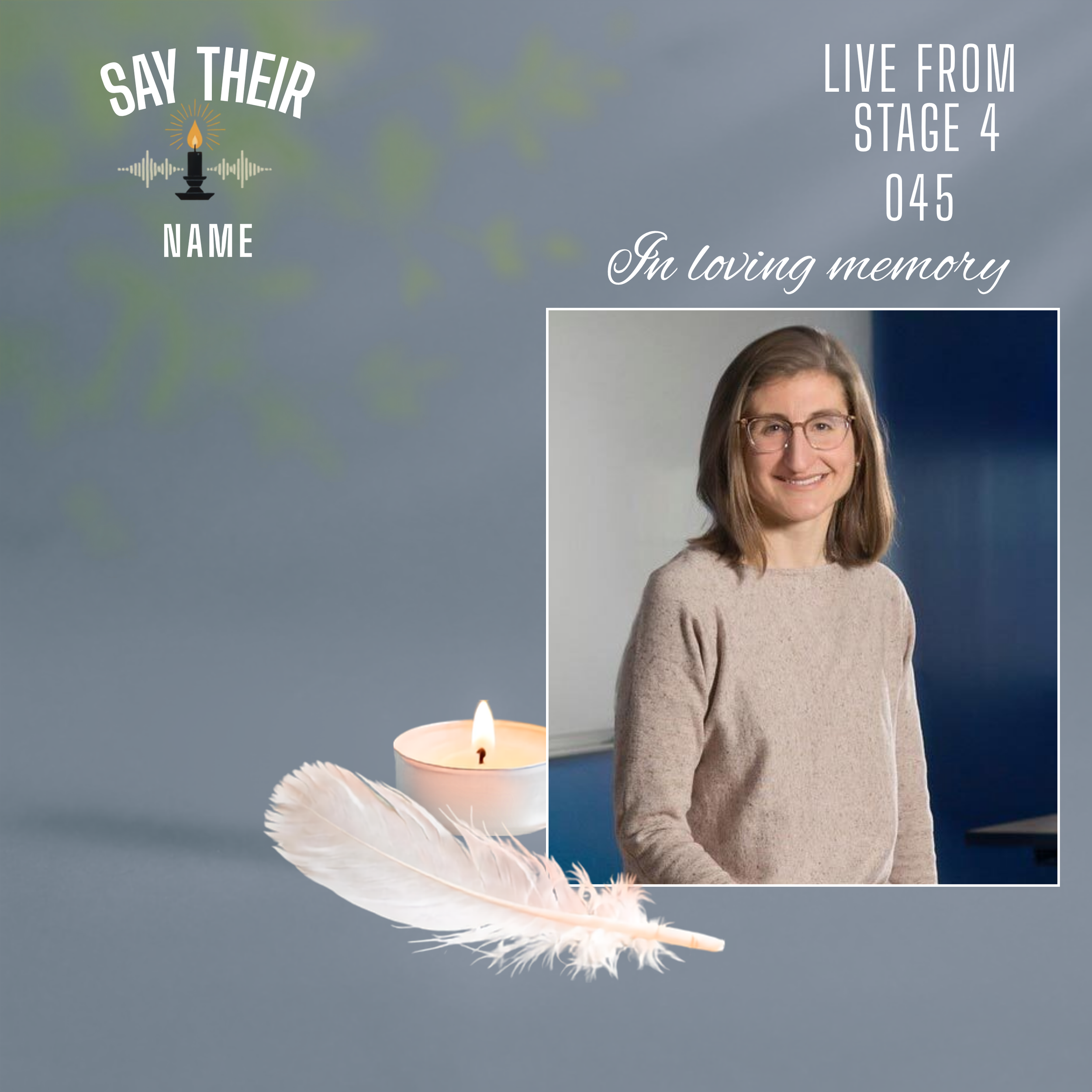
Say Their Name: Remembering Dr. Jill Tirabassi
"We come together fast over the same diagnosis, we become family, and then we lose people. When we do, we are going to say their names out loud, and we are going to tell you who they were."
In the first episode of Say Their Name, we gather to remember Dr. Jill Tirabassi—a physician, mother, athlete, and advocate who lived with metastatic breast cancer for four years. Hear from the team who knew her, and read Abigail Johnston's essay about a life that was so much more than disease.
Symptoms Spotlight: Chemo-Induced Nausea and Vomiting (CINV) with Abigail Johnston and Melanie Sisk
When nausea and vomiting is caused by a substance that you're taking like chemotherapy, your go-to remedies for addressing nausea and vomiting may not work as well. I had my bag of tricks that I would use, especially like during pregnancy—things I could smell or different pressure points—those kinds of things. But none of that worked when it came to chemotherapy-induced nausea and vomiting.

Developing Story: What Biomarkers Tell Us with Dr. Neil Vasan
Your medical records are full of letters and numbers—BRCA, PIK3CA, ESR1, PD-L1—but what do they really mean? These are biomarkers, and cracking their code could change your treatment and your prognosis.
In this episode, Dr. Neil Vasan breaks down the difference between prognostic biomarkers (how aggressive your cancer is) and predictive biomarkers (which treatments will work for you). Learn which biomarkers matter most for metastatic breast cancer, how germline mutations like BRCA and PALB2 open the door to targeted therapies like PARP inhibitors, and why somatic mutations like PIK3CA and ESR1 are reshaping treatment options in real time.
Symptoms Spotlight: Ascites with Abigail Johnston and Melanie Sisk
Dr. Jill Tirabassi joins Abigail and Melanie to explain ascites — the fluid buildup in the abdomen that can occur with metastatic breast cancer. Speaking as both a physician and a patient who's experienced it firsthand, she covers the symptoms to watch for, treatment options like paracentesis, and why advocating for your own comfort matters. A candid, hopeful conversation about a daunting topic — including why ascites isn't always permanent, or even always caused by the cancer itself.

On Our Own Terms: A Conversation About Medical Aid in Dying, Dignity, and the Choices We're Afraid to Make
On August 5th, 2025, New York State became one of only a handful of states in the country where medical aid in dying is now legal.
For our community — people living with metastatic breast cancer — this is not an abstract policy debate. It's a deeply personal question about how we want to live, and how we want to die.
Symptoms Spotlight: Bloood Clots with Abigail Johnston and Melanie Sisk
Blood clots are one of the most serious risks facing people with metastatic breast cancer, yet many patients don't learn about them until after a diagnosis has already happened. In this Symptom Spotlight, a registered nurse and an MBC patient sit down to talk through what you need to know, from understanding your personal risk factors to recognizing symptoms and knowing when to ask for help.
Symptoms Spotlight: Vaginal Dryness with Abigail Johnston and Melanie Sisk
"Nobody tells you about this part."
Vaginal dryness is one of the most common side effects of metastatic breast cancer treatment and one of the least talked about. In this episode, Abigail Johnston and Melanie speak candidly about what it is really like to navigate painful intimacy, shifting hormones, and the search for solutions while living with MBC
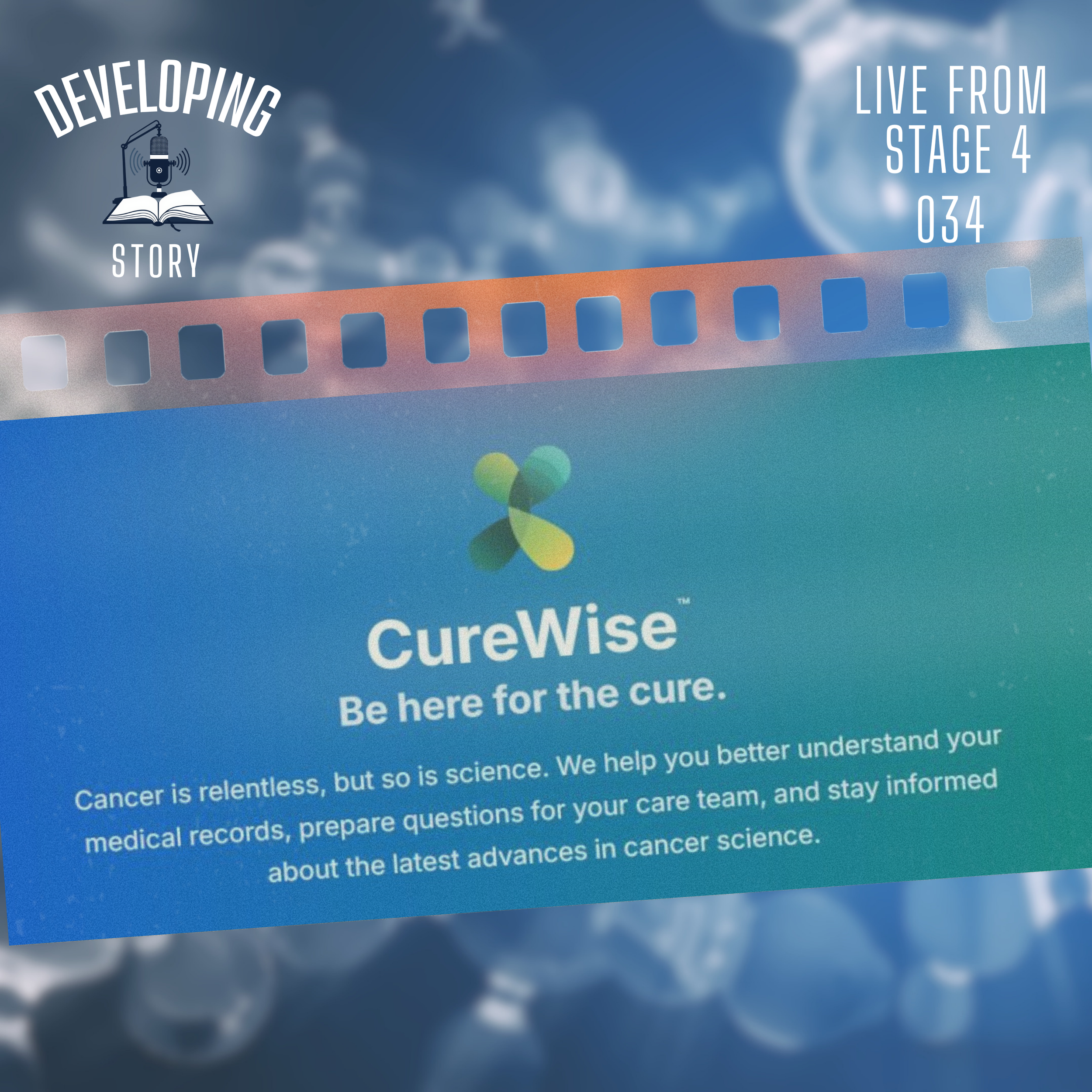
Developing Story: CureWise Goes Live - The AI Platform Built by Cancer Patients, for Cancer Patients
You have ten minutes with your oncologist. Ten minutes to ask the right questions, understand what's happening inside your body, and make decisions that could change everything. For most cancer patients, that's not enough time — and nobody taught you how to prepare.
CureWise was built to change that. On June 20th, the AI platform created by cancer patients Steve Brown and Lisa Booth officially launched. On this episode of Live From Stage 4, we sit down with Steve, Lisa, and real beta users Lynda and Todd Weatherby to find out what it actually does, how it works, and why it matters.
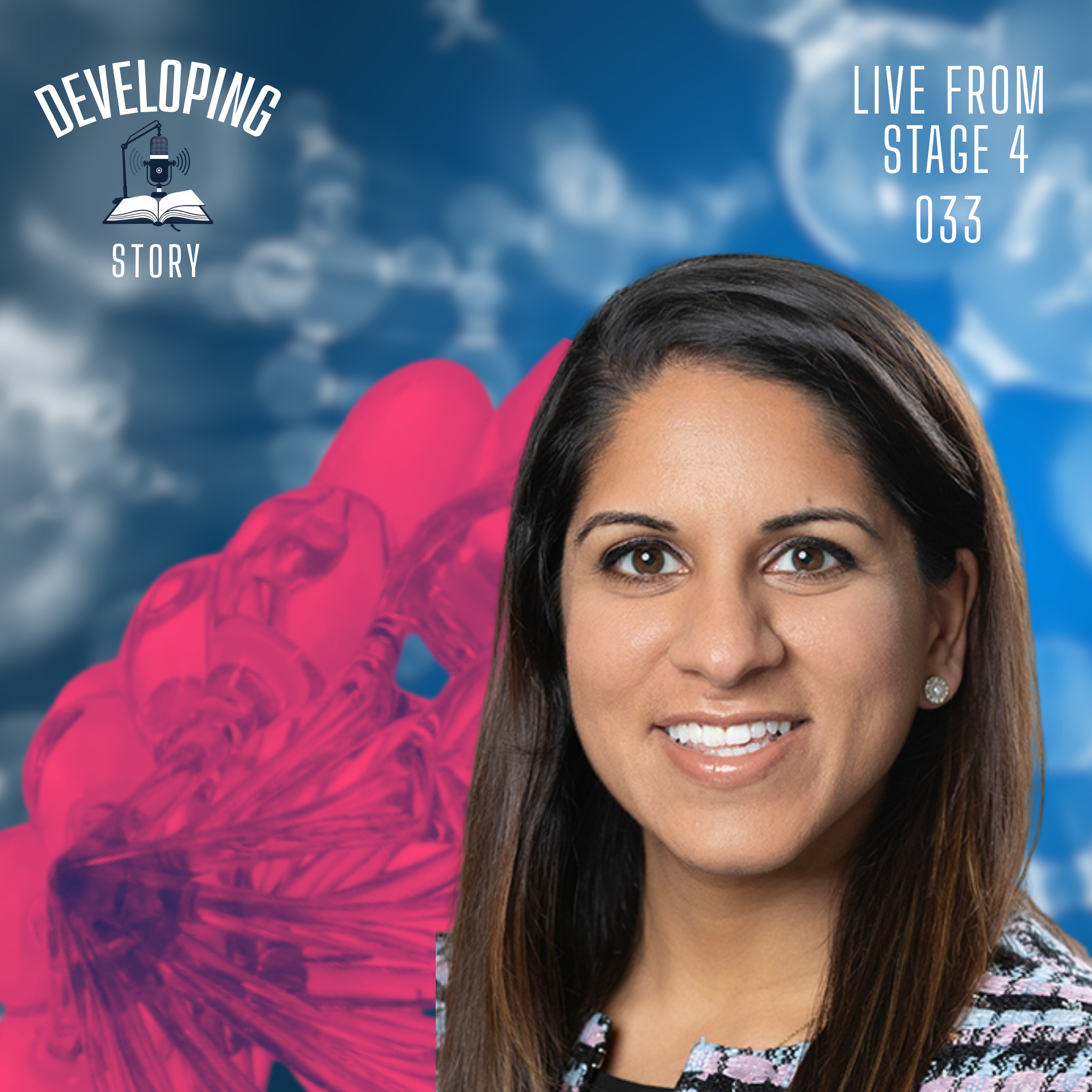
Developing Story: Beyond Camizestrant — The Evolving Landscape of ER+/HER2- MBC with Dr. Sarah Premji
The oral SERD era has arrived, and the treatment landscape for HR+/HER2- metastatic breast cancer is changing fast. Hosts Victoria Goldberg and Abigail Johnston sit down with Dr. Sarah Premji of Sarah Cannon to map out what has shifted beyond SERENA-6, from new FDA approvals and emerging mechanisms to real-world sequencing decisions and the latest trial data. If you are trying to make sense of a rapidly evolving algorithm, this episode is for you.
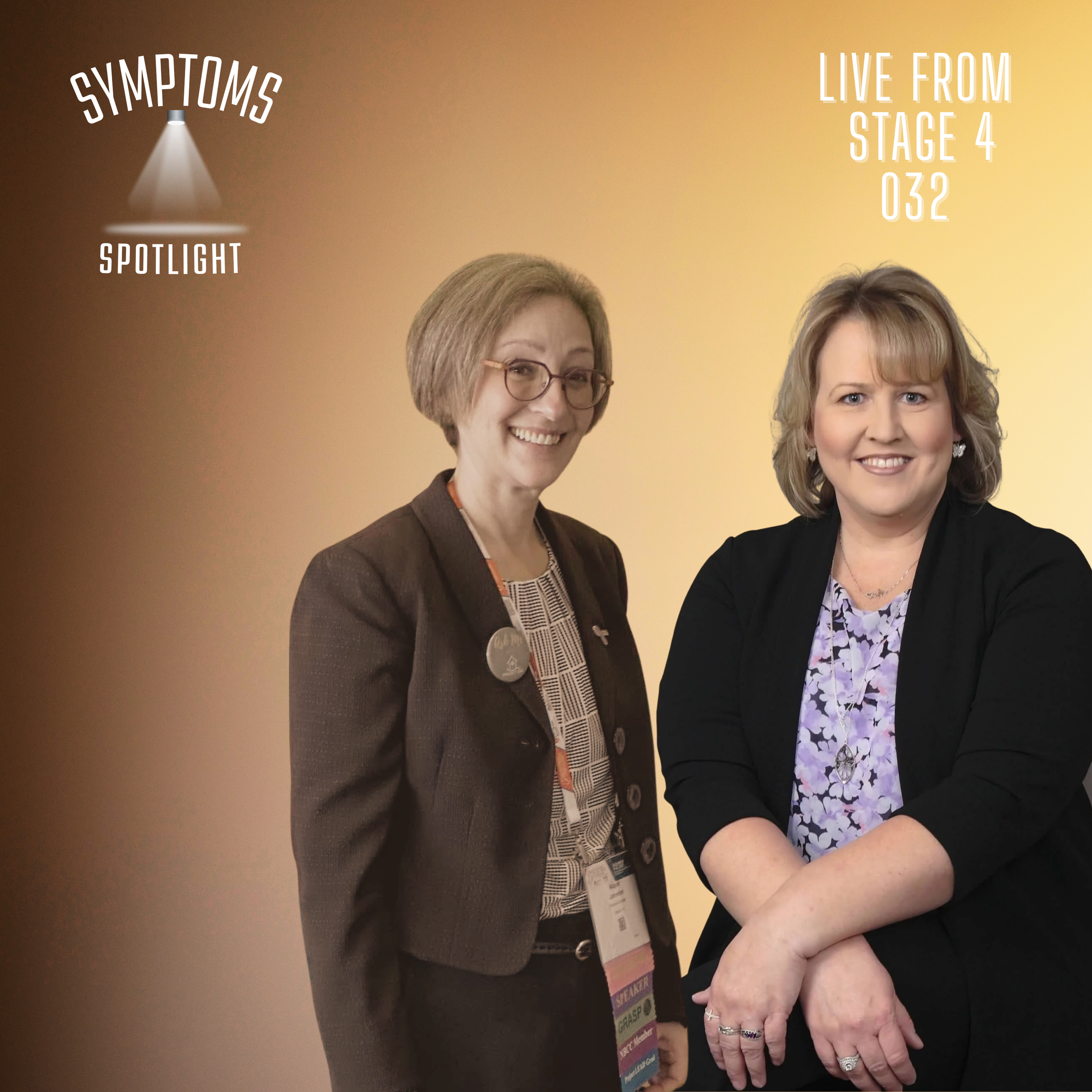
Symptoms Spotlight: Neutropenia with Abigail Johnston and Melanie Sisk
If you've ever gotten a blood draw before chemo and heard your nurse mention your ANC, this episode is for you. Neutropenia, a low white blood cell count, is one of the most common side effects of cancer treatment, and understanding it can make a real difference in how you advocate for yourself. Dr. Jill Tirabassi joins hosts Abigail Johnston and Melanie Sisk to break it all down, from what your numbers mean to what to do when they drop too low, and all three bring their own patient experiences to the table.
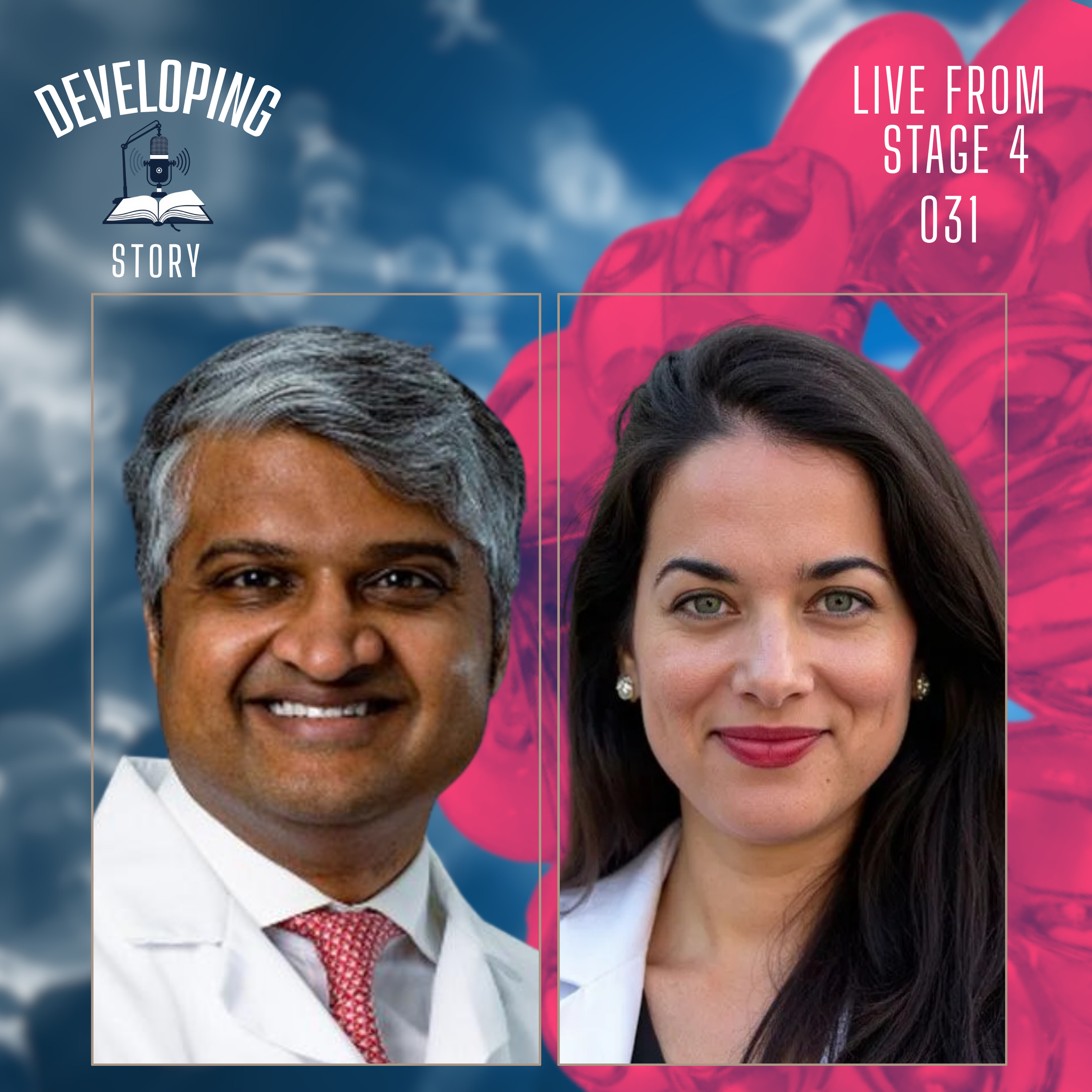
Developing Story: The Camizestrant Vote, Doctors Weigh In with Dr. Sarah Sammons & Dr. Neil Vasan
When the ODAC voted 6–3 against the camizestrant strategy, the headlines told you what happened — this episode tells you why. We're back for round two with Dr. Sarah Sammons, newly appointed Co-Leader of Breast Oncology at the University of Maryland Greenebaum Comprehensive Cancer Center, and Dr. Neil Vasan, Acting Chair of the ODAC and Director of Translational Research in Breast Cancer at NYU Langone Health, who sat in that room and cast one of the three yes votes. Alongside patient advocates Janice Cowden and Abigail Johnston, we break down the four FDA critiques that drove the vote, what the quality of life data showed and why regulators couldn't act on it, and what the FDA's new August 14th review deadline means for patients. Plus: why this science isn't going anywhere, and what ctDNA-guided treatment could look like in the very near future.
Symptom Spotlight: Melanie's Updates on Sleep Apnea and Constipation
Sometimes the symptoms you least expect turn out to be the most important ones to pay attention to. In this Symptom Spotlight update, Melanie shares two surprising diagnoses she received after recording our earlier episodes — obstructive sleep apnea and chronic constipation with diarrhea breakthrough — and how both were hiding in plain sight beneath what she assumed were normal cancer treatment side effects. If you're a metastatic cancer patient who's been brushing off fatigue, poor sleep, or digestive issues as "just part of treatment," this episode is for you.
Developing Story: The Camizestrant Vote — When Your Blood Test Knows Before Your Scan Does
Six MBC patient advocates join host Victoria Goldberg to break down the FDA advisory committee's vote on camizestrant and the SERENA-6 trial. The panel unpacks what the vote really means, whether the science of molecular progression is ready for clinical practice, and why patient advocates need a seat at the table before trials are designed.
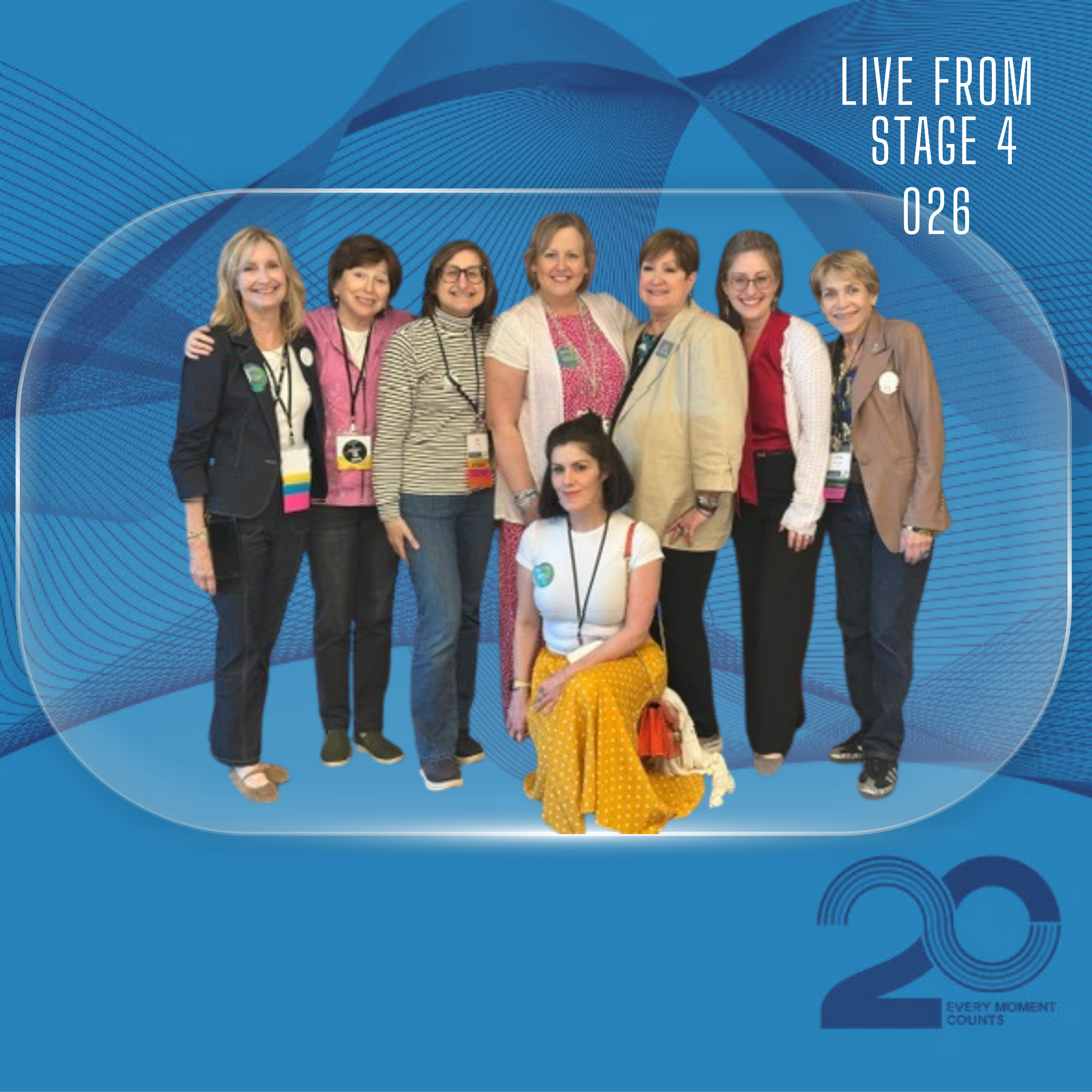
Thriving Together 2026: LBBC's MBC Conference Through Our Eyes
"You walk into a room full of people living with metastatic breast cancer and you just... break down. Not because it's sad — though it is — but because for the first time, you're not alone in it."
Twenty years in, LBBC's Thriving Together Conference is still doing what no other event in the MBC space does: bringing patients together not just to learn, but to find each other. In this episode, four MBC patients who attended the 2026 conference share what moved them, what the science is saying, and why they'll keep coming back.
Symptoms Spotlight: Hair Loss with Abigail Johnston and Melanie Sisk
"Hair may seem like a small thing compared to staying alive. But hair is such an integral part of who we are — of how we see ourselves, and how the world sees us. It's important not to ignore the effect that losing our hair may have on our wellbeing." — Abigail Johnston
Stage 4 Living: Palliative Care is Not Hospice with Dr. Mary Busowski
Palliative care is not hospice — and that one misconception is keeping cancer patients from getting support they desperately need. Dr. Mary Busowski, palliative care physician at Orlando Health, joins our hosts Abigail Johnston and Amy Russell-Parliman o set the record straight and make the case for getting palliative care involved from day one.
Front Row Seat: We'll Never Cure Cancer Without AI, Say Steve Brown & Lisa Booth
When Steve Brown's doctors missed his rare blood cancer for months, he turned to AI for answers. The system he built spotted the warning signs immediately—the same lab results his physicians had dismissed.
Now, as CEO of CureWise, Steve and patient advocate Lisa Booth are pioneering a new approach to cancer care: using AI agents trained as specialist doctors to help patients navigate treatment options, find clinical trials, and advocate effectively with their oncologists.
"There's a gap between what's possible and what most people are getting," Steve explains. "Cancer isn't just one disease. Everybody has their own unique version of it."
Lisa, an 11-year metastatic breast cancer survivor, adds: "My oncologist sees 600 patients. CureWise empowers me to show up to that seven-minute appointment with the right questions already researched and the clinical trials already identified."
This conversation explores how AI is transforming patient empowerment—and why knowledge might just save your life.
Live Chat: The Courage to Choose Life on Your Terms with Dar Finkelstein
"One of my MBC friends said to me, 'You're feeling guilty about making people cry, but you've instilled in them so much joy and what they're doing, what you're seeing is them sharing the joy back to you.' And she said, 'It looks like tears, but that's their love coming back to you.'"
—Dar Finkelstein on accepting loved ones' grief
Podcasters Roundtable: Change Your One Thing with Gary Thompson
We don't have to change everything. We just have to change our one thing. And if we each indeed change our one thing, then we will have changed everything. My ideal audience is someone looking for their one thing and realizing that whatever it is, whenever they find it, to just follow their heart, follow their passion, and go for it. We as an individual person have the capacity to create great change. Love is neither big nor small. It's always enough
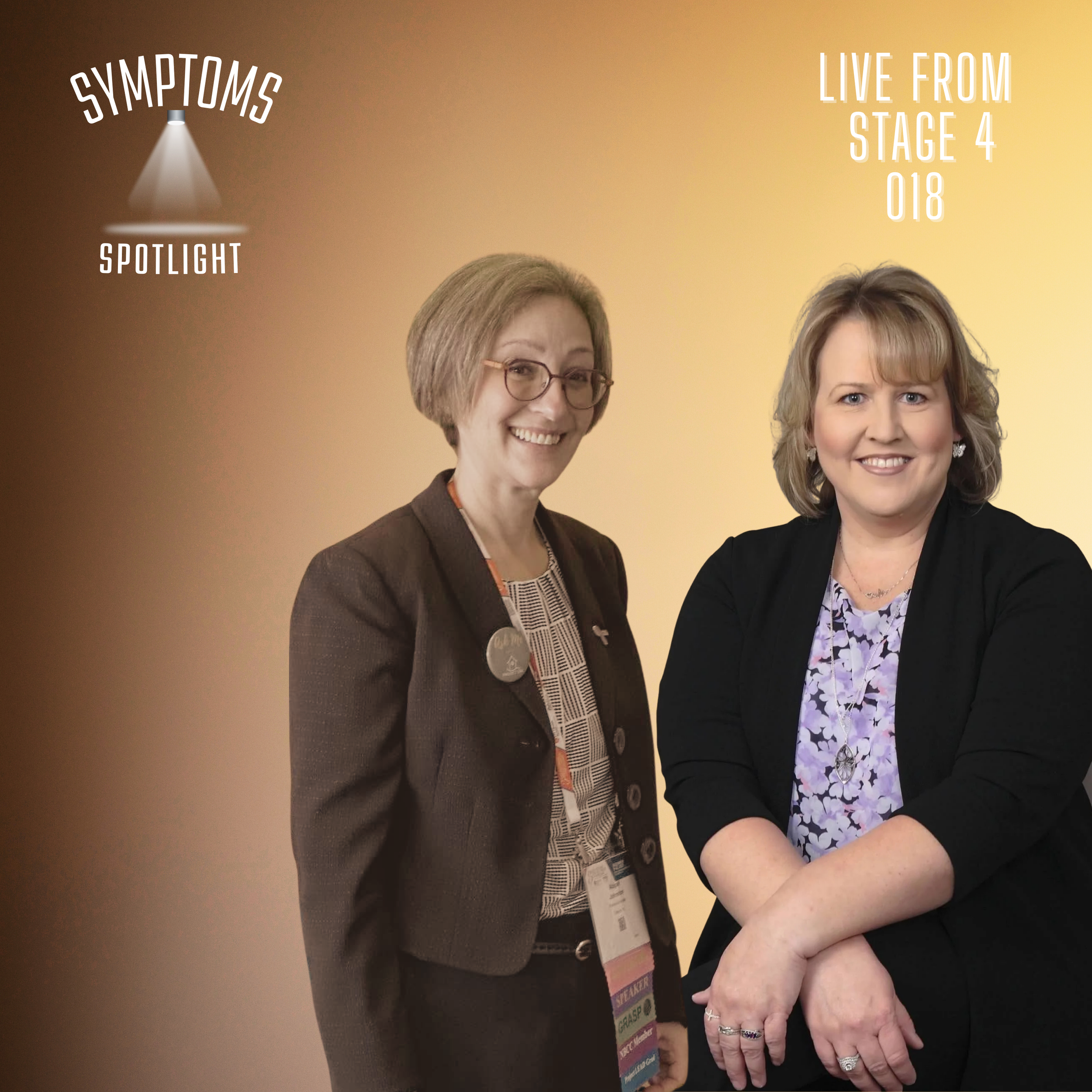
Symptoms Spotlight: Insomnia with Abigail Johnston and Melanie Sisk
One of the things a doctor said early on to me was to think about sleep as one of my medications. Part of my treatment plan was how much sleep I was getting. That's been something that I've tried to think about—that it's not just the thing that you do last, or it's not just the thing that you are irritated about and just get through, maybe drink some extra coffee and push through, which is kind of how I dealt with any times I had disruptions in sleep prior to cancer. But thinking about it as part of my treatment plan has helped me place the right importance on it