
Symptoms Spotlight: Vaginal Dryness with Abigail Johnston and Melanie Sisk
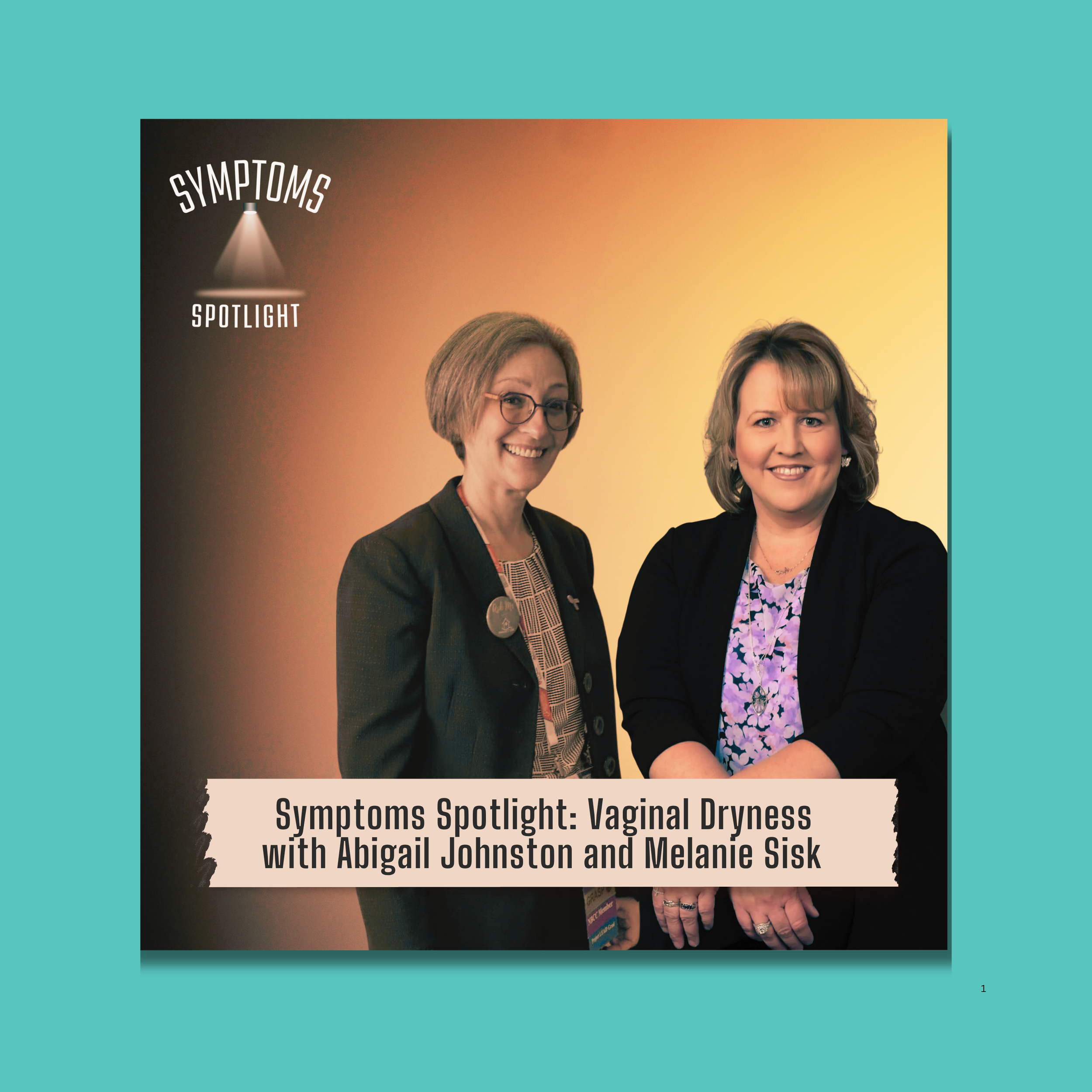
Live from Stage 4 | Episode # 036| 07/07/2026 | Symptoms Spotlight
Listen to full episode :
Hosts
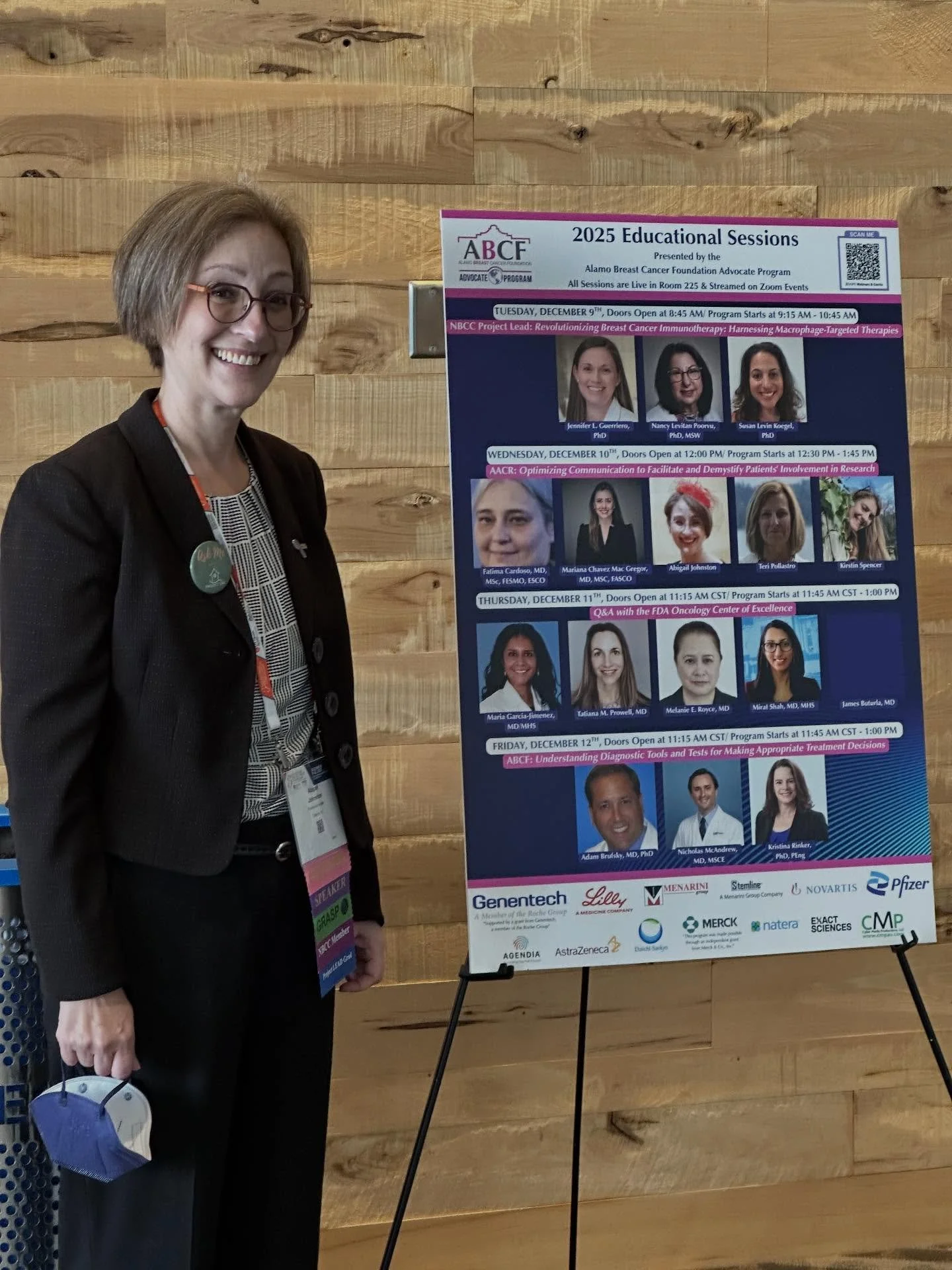

Abigail Johnston lives in Orlando, Florida and has been an attorney since 2002. In 2017, while tandem breastfeeding her boys (then 1 and 3), Abigail was diagnosed with de novo Stage IV Metastatic Breast Cancer (MBC) and soon thereafter discovered that she has a genetic mutation that predisposed her to developing cancer at ATM. Since her diagnosis, Abigail has focused her efforts on patient advocacy and supporting those people in the MBC Community through her experience and training, virtually and in person. She currently serves as the Director of Mentorship, Legal Clinics and financial services at Project Life, a founding member of the PIK3CA Pathbreakers, and volunteers with a variety of organizations including the MBC Alliance, FORCE, METAvivor, and many others. Connect with Abigail via her blog at NoHalfMeasures.blog.
Melanie Sisk was a wife, mom of two young boys, and working full-time as a Registered Nurse when she was diagnosed with Stage 1A Breast Cancer at the age of forty-three. She completed her recommended surgery and radiation and was on endocrine therapy. Melanie thought she had put cancer behind her because she did everything right. However, she was diagnosed with Metastatic Breast Cancer at the age of forty-seven. Due to her metastatic treatment protocol and disease, she retired from her nursing career. Melanie has dived into advocacy work with an urgency to do what she can, while she can. She helped to start and moderate a local support group in her area of North Carolina called Piedmont Triad METsters. She is a trained volunteer with Cancer Services, Inc. and a Peer to Peer Support Group Leader and Light Up MBC State Captain for METAvivor. She is a Living Beyond Breast Cancer 2023 Hear My Voice MBC leadership alumna and a mentor with Project Life. She also serves on the MBC Leadership Committee for Surviving Breast Cancer. She is also a part of the new initiative, PIK3CA Pathbreakers.
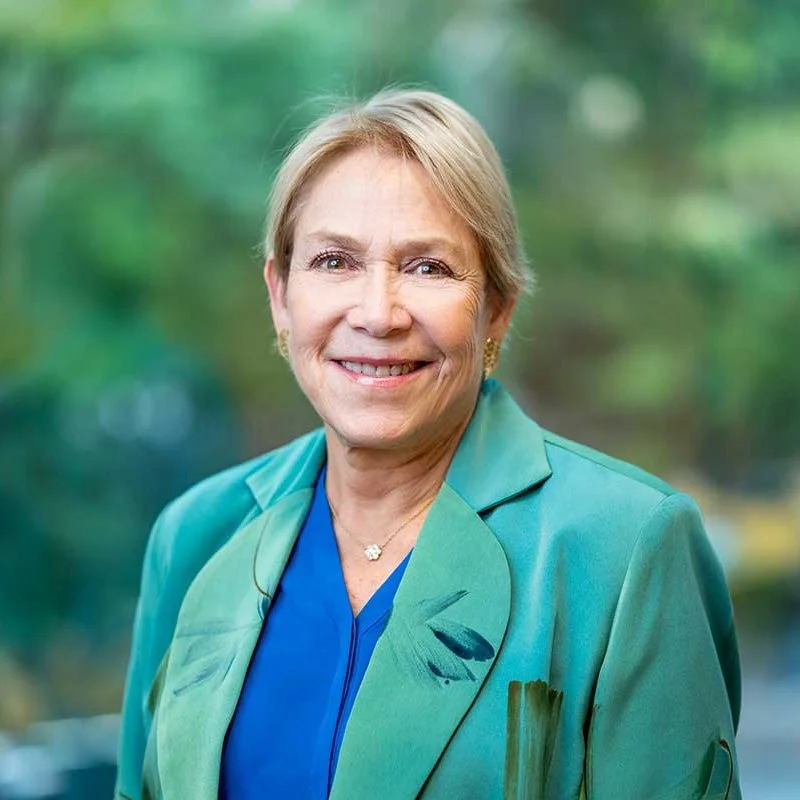
Dr. Ellen Landsberger, MD -- a retired OB/GYN from New York has lived with metastatic breast cancer for years, but it was the loss of a close friend to the disease that sparked he
Medical Career & Background
Specialty: She practiced as an Obstetrician-Gynecologist specializing in Maternal-Fetal Medicine.
Academic Role: She served as an Associate Professor Emerita in the Department of Obstetrics & Gynecology and Women's Health at the Albert Einstein College of Medicine.
Professional Leadership: She was highly active in organized medicine, notably within the American College of Obstetricians and Gynecologists (ACOG) before her retirement from practice in 2016.
Summary
Let's talk about something that doesn't get talked about nearly enough.
Vaginal dryness affects a huge number of people living with metastatic breast cancer, yet it remains one of the most under-discussed side effects of treatment. In this episode, Abigail Johnston and Melanie get real about their personal experiences navigating this symptom while living with MBC.
They cover what has actually helped them, including lubricants, coconut oil, topical lidocaine cream, and low-dose estradiol. They talk about who to turn to when your oncologist isn't the right fit for this conversation, why Medicare may not cover what you need, and how fellow patients often become your best resource.
Podcast team member, person living with MBC, and retired OB-GYN Dr. Ellen Landsberger then brings the clinical perspective, breaking down the latest research on the safety of vaginal estrogen for breast cancer patients and sharing the formulation she personally recommends.
This is the kind of conversation you wish you could have with your doctor. We are having it for you.
Key Takeaways
Vaginal dryness is a common and significant side effect of MBC treatment, particularly for those who have been chemically or surgically put into menopause.
Surgical menopause hits differently and often more severely than natural menopause.
Water-based lubricants, coconut oil, and topical lidocaine cream are practical, accessible options that have made a meaningful difference for patients.
Replenishing internal lubrication regularly, not just during intimacy, is an important part of managing symptoms.
Your oncologist may not be the best person to talk to about sexual side effects. Your primary care physician or GYN can often be a more comfortable and effective resource.
Patients talking to patients is one of the most powerful ways information travels. Many of the most helpful interventions in this episode came from peer recommendations.
Insurance coverage for symptom management treatments is not guaranteed. Medicare in particular may not cover certain prescriptions, but out-of-pocket costs are sometimes manageable.
Estradiol cream decisions should involve a conversation with your oncologist, especially for ER positive MBC patients. What is recommended for early stage patients may not be recommended for metastatic patients.
A 2025 systematic review found that vaginal estrogen did not increase breast cancer recurrence or mortality, offering cautious reassurance for those considering it.
Low-dose vaginal estrogen inserts, 10 micrograms used nightly for two weeks then twice weekly, are one clinically recommended option after discussion with your care team.
Resources Mentioned in This Episode
Lubricants and Topical Products
Water-based lubricants A widely recommended first line option for vaginal dryness. Available at most drugstores without a prescription. Look for formulas free of glycerin and parabens for sensitive use.
Coconut oil A natural, affordable alternative available at your local grocery store. Works well as a personal lubricant though not compatible with latex condoms. A little goes a long way. [Find at your local grocery store]
Topical lidocaine cream A numbing cream applied before intimacy to reduce pain. Ask your primary care physician or GYN for the right strength and dose. Melanie's PCP consulted with the GYN department to find the appropriate prescription. [Ask your care team about this option]
Low-dose estradiol cream A very small amount of vaginal estrogen cream that can help with dryness and reduce urinary tract infections. Abigail uses it sparingly as prescribed by her urology oncologist. Discuss with your oncologist before use, especially if you are ER positive. [Talk to your oncologist or urogynecologist]
Estradiol vaginal inserts, 10 micrograms The formulation recommended by Dr. Ellen Landsberger. Insert nightly for two weeks, then twice weekly for maintenance. Supported by a 2025 systematic review in the American Journal of Obstetrics and Gynecology. [American Journal of Obstetrics and Gynecology, March 2025]
Branded Products
Revaree A hormone-free vaginal suppository made with hyaluronic acid. Available over the counter. Can be pricey so look for coupons before purchasing. [Revaree website]
Procedures
Mona Lisa Touch A laser therapy treatment for vaginal atrophy. Not FDA approved at the time of recording. Abigail tried it but found it minimally effective for her personally. Requires multiple appointments. [Learn more here]
For Further Reading
Vaginal estrogen use in breast cancer survivors: a systematic review and meta-analysis of recurrence and mortality risks Systematic Review on Vaginal Estrogen and Breast Cancer. Published in the American Journal of Obstetrics and Gynecology, March 2025. Found that vaginal estrogen did not increase breast cancer recurrence or mortality, including in women with metastatic breast cancer. Recommends use with caution after discussion with your oncologist. [Link to study here]
