
Thriving Together 2026: LBBC's MBC Conference Through Our Eyes
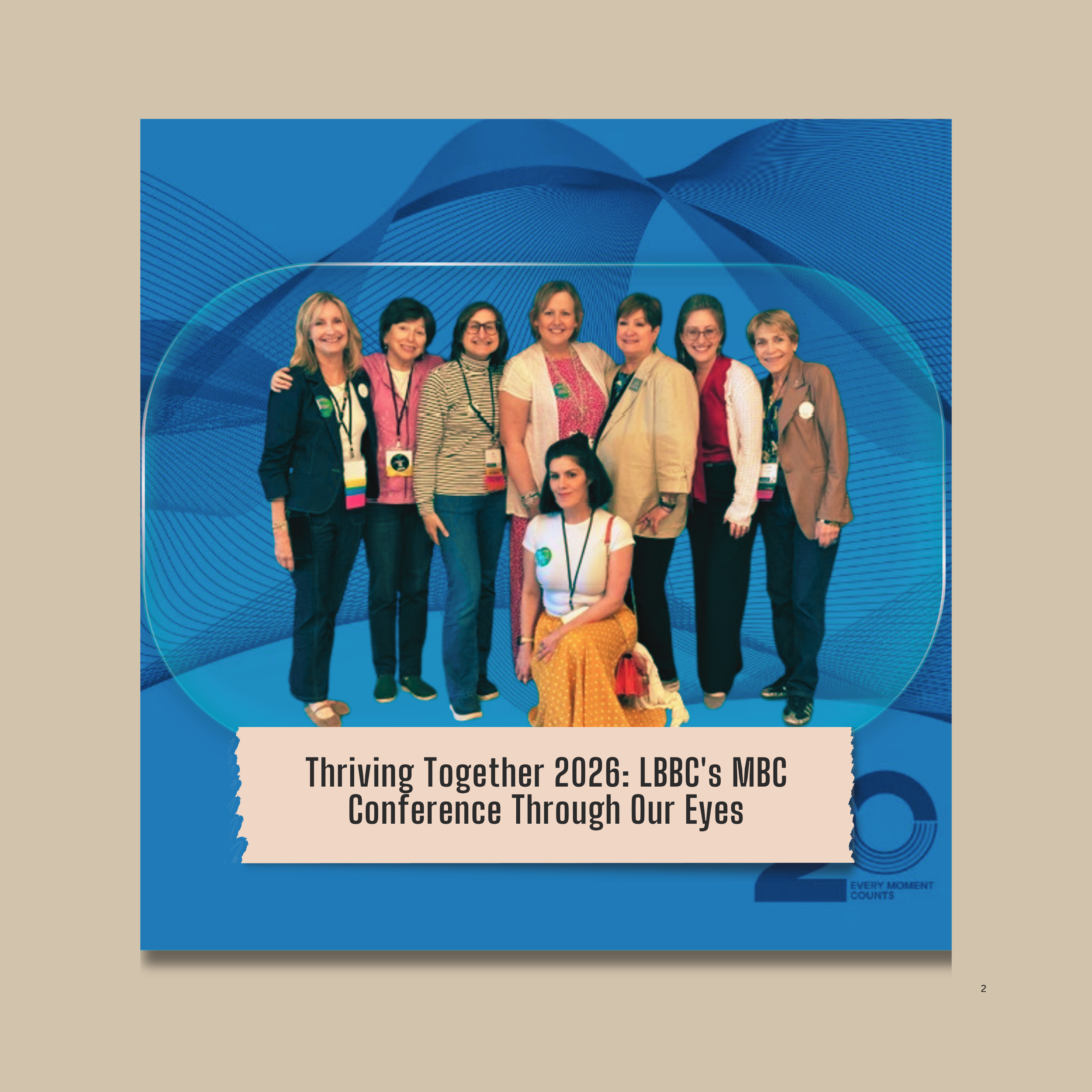
Live from Stage 4 | Episode # 026| 4/29/2026 | Thriving Together LBBC Conference
Listen to full episode :
Hosts
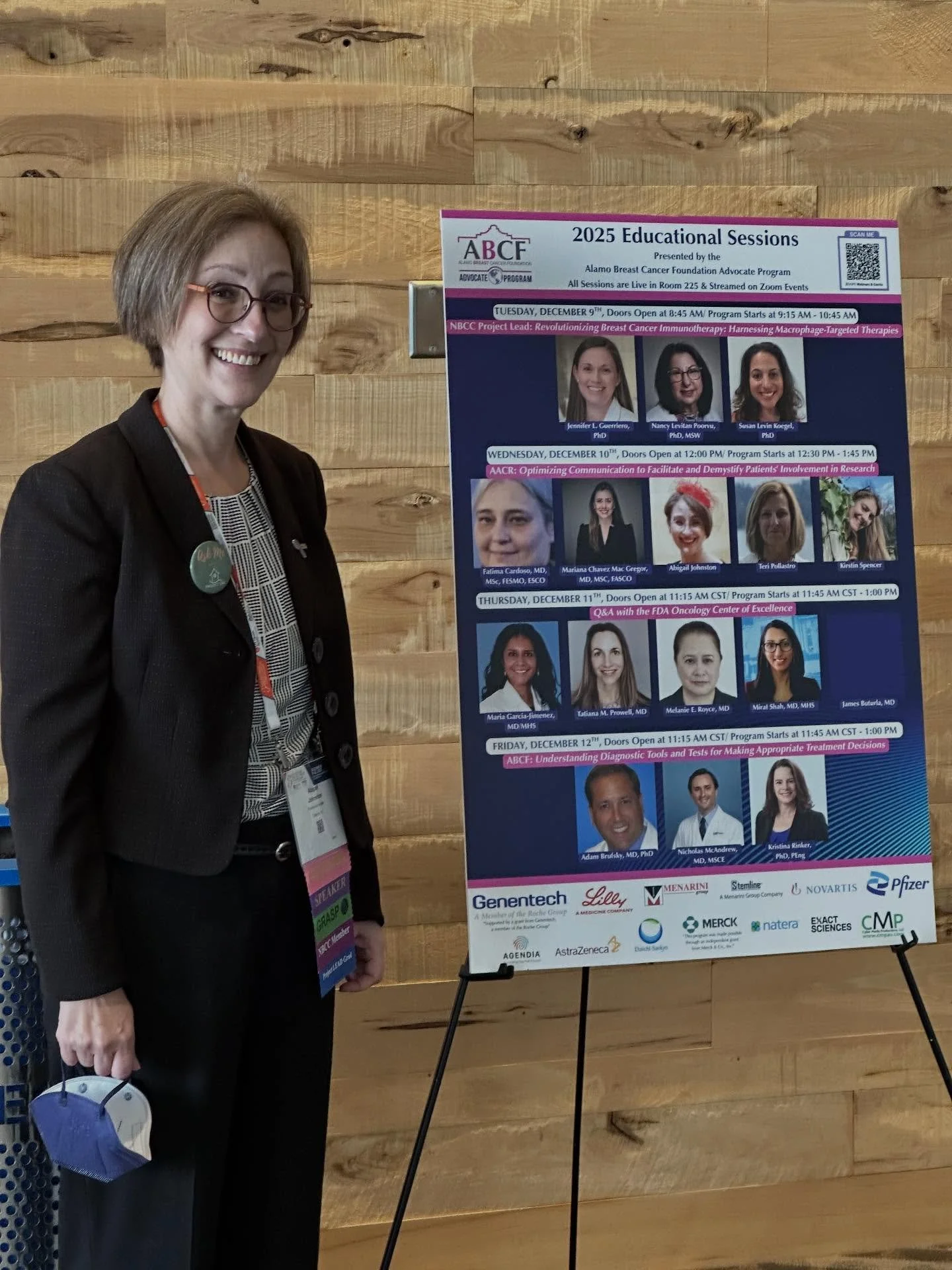
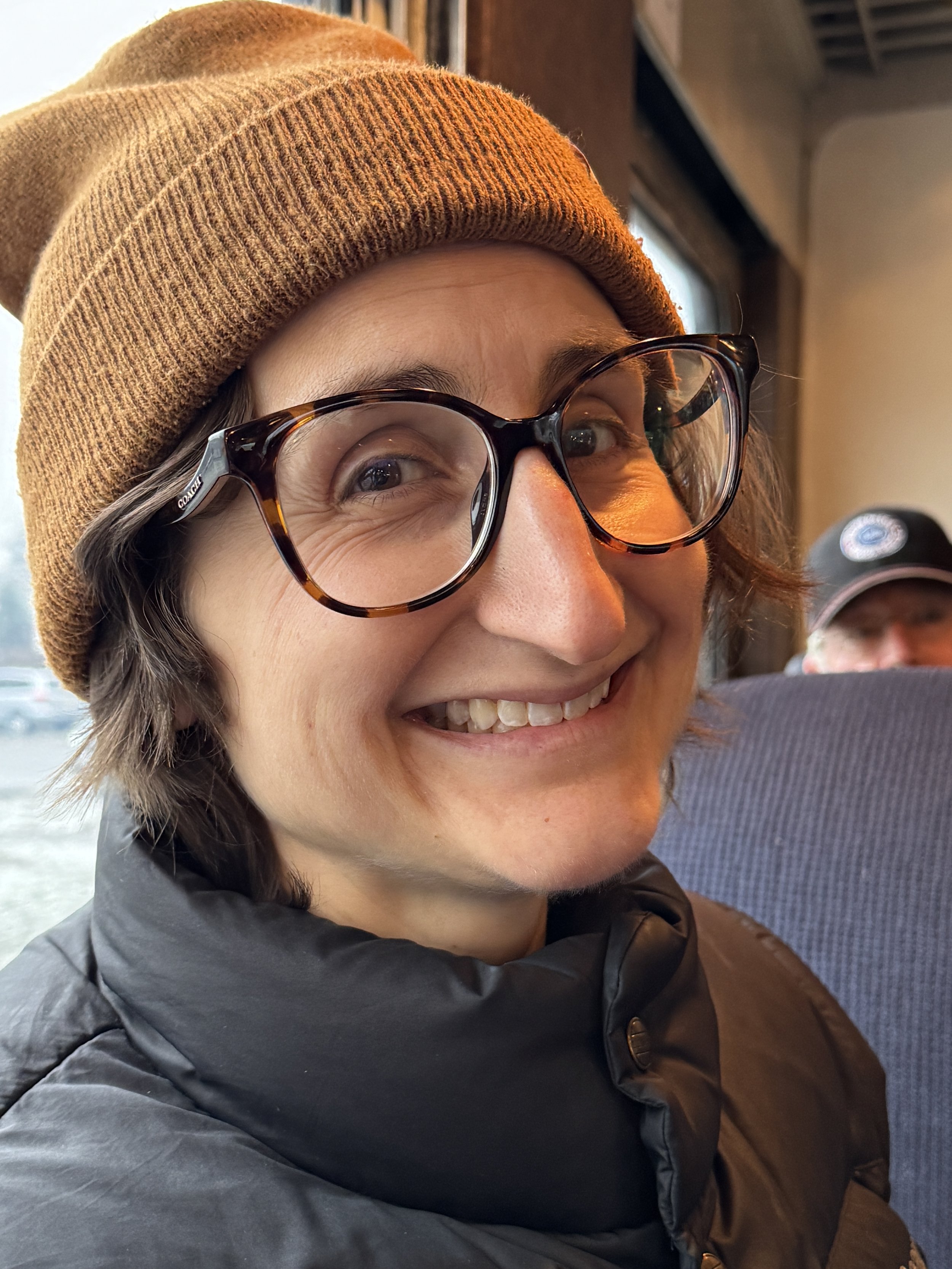

Abigail Johnston lives in Orlando, Florida and has been an attorney since 2002. In 2017, while tandem breastfeeding her boys (then 1 and 3), Abigail was diagnosed with de novo Stage IV Metastatic Breast Cancer (MBC) and soon thereafter discovered that she has a genetic mutation that predisposed her to developing cancer at ATM. Since her diagnosis, Abigail has focused her efforts on patient advocacy and supporting those people in the MBC Community through her experience and training, virtually and in person. She currently serves as the Director of Mentorship, Legal Clinics and financial services at Project Life, a founding member of the PIK3CA Pathbreakers, and volunteers with a variety of organizations including the MBC Alliance, FORCE, METAvivor, and many others. Connect with Abigail via her blog at NoHalfMeasures.blog.
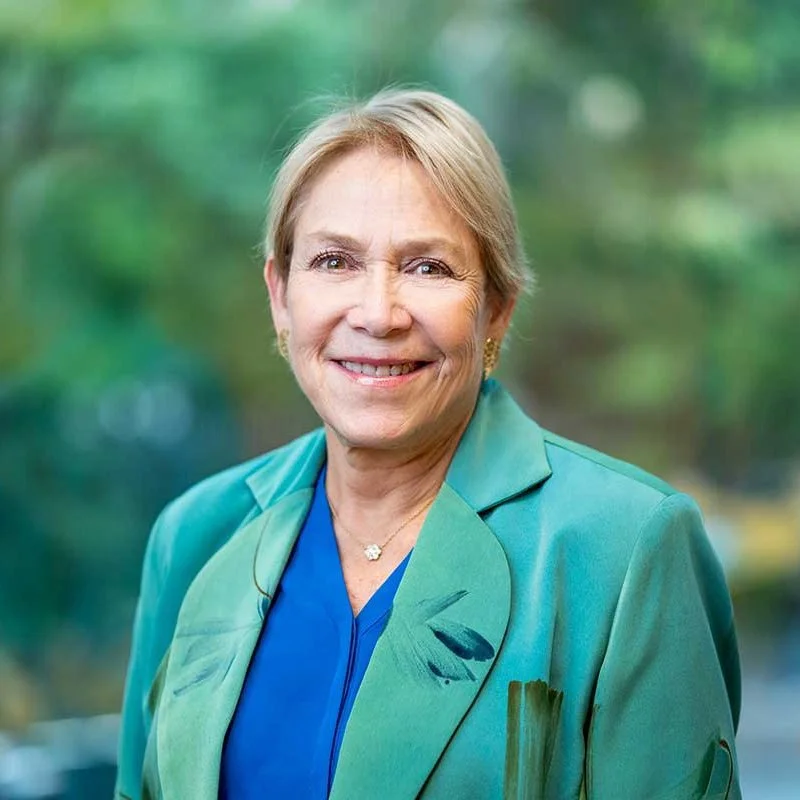
Ellen Landsberger, MD, MS is a retired Obstetrician-Gynecologist and Associate Professor Emerita at the Albert Einstein College of Medicine who now serves as a prominent advocate for patients with metastatic breast cancer (MBC).
Patient Advocacy
Following her own diagnosis of metastatic breast cancer—which occurred 22 years after her initial early-stage breast cancer—Dr. Landsberger transitioned into full-time research and patient advocacy.
MBC Alliance: She serves as a Patient Advocate and member of the Alliance, focusing on improving communications between healthcare providers and patients.
Memorial Sloan Kettering (MSK): She is a member of the Patient and Family Advisory Council for Quality (PFACQ) at MSK, where she contributes to the Research and Cancer Control subcommittees.
Research Representation: Since 2022, she has been the Patient Advocate representative from MSK to the Translational Breast Cancer Research Consortium (TBCRC).
Jill N. Tirabassi, MD, MPH is a physician, researcher, wife, mother, athlete, and advocate living with metastatic breast cancer (MBC). Diagnosed de novo on October 13, 2022—Metastatic Breast Cancer Day—while pregnant with her second son, Jill’s experience has fueled her passion for raising awareness about postpartum breast cancer (PPBC) and advocating for improved understanding and treatment of this distinct subtype of breast cancer.With a background in preventive and lifestyle medicine research, Jill is dedicated to educating patients and clinicians about PPBC’s unique risks, including its high likelihood of metastasis. She believes the oncology community must develop tailored treatment approaches for PPBC and prioritize research, particularly in immunotherapy, to improve outcomes for those diagnosed. Jill is also a proponent of exercise and evidence-based lifestyle medicine as critical components of cancer care, challenging gaps in their integration into oncology treatment plans. Through her work and advocacy, Jill is committed to driving change and improving the lives of those living with PPBC and MBC.
Lisa Backus is an award-winning reporter who currently covers breaking news and criminal justice policy for Hearst Connecticut Media Group.
Professional Profile
Role: Staff Writer and crime reporter for several publications under the Hearst umbrella, including CT Insider, the New Haven Register, and the Stamford Advocate.
Focus Areas: She specializes in local, state, and national breaking news, with a particular emphasis on criminal justice policy and significant trials within Connecticut.
Previous Experience: She has worked with Central Connecticut Communicationsand contributed to the Connecticut Health I-Team (C-HIT).
Recognition: Her work has earned various local, state, and national journalism awards.
Personal Life
When not reporting on major crime stories like the Michelle Troconis trial or other high-profile criminal cases, she enjoys spending time with her six grandchildren and her animal companions, Spot and Morgan
Victoria Goldberg is a seasoned podcast producer who advocates passionately for science and research in breast cancer.
Living with HER2+/HR+ metastatic breast cancer since 2014 (initial diagnosis in 2004), she brings lived experience and clear-eyed optimism to her work. Previously an Executive Director of Securitized Products Technology at JP Morgan Chase, treatment side effects ended her finance career early and led her into patient advocacy.
In 2018 Victoria founded TalkMets, SHARE’s helpline for people with metastatic breast cancer, and in 2022 became Executive Producer of the Our MBC Life podcast.
A 2018 graduate of NBCC’s Project LEAD, Victoria works to represent the patient perspective alongside researchers and clinicians.
On September 8th 2025, Victoria launched Live from Stage 4: News for Us, by Us – the podcast she founded with her MBC friends.
She lives in New York City and, while she never forgets her advanced disease, it’s no longer the centerpiece of her life.
Summary
What does it feel like to walk into a room with hundreds of other people living with metastatic breast cancer? For some, it's overwhelming. For others, it feels like coming home. For most — it's both.
In this episode, the Live from Stage 4 podcast team reflects on LBBC's 20th annual MBC conference. Victoria Goldberg, Abigail Johnston, Drs. Jill Tirabassi and Ellen Landsberger (all living with MBC), share their personal experiences from the 2026 gathering: the science that gave them hope, the sessions that stayed with them, and the human connections that keep them returning year after year.
In this episode:
The team reflects on what makes Thriving Together uniquely valuable compared to large scientific conferences like ASCO and SABCS — and offer candid thoughts on how the conference could evolve to better serve both the newly diagnosed and long-term survivors.
You'll also hear about standout sessions including an expressive writing workshop, a patient-led deep dive into reading scans and research, and the Spinning Science program — which has been shown to significantly improve MBC patients' confidence in making their own medical decisions.
Featured programs & organizations:
Living Beyond Breast Cancer (LBBC) — host of the annual Thriving Together Conference and the Hear My Voice patient advocacy training program
Project Life — an MBC patient-led organization and conference partner
Spinning Science — a five-session health literacy program for MBC patients, developed by patient advocate and biologist Amy Beumer through Project Life
This episode contains personal experiences shared by MBC patients and does not constitute medical advice. Always consult your healthcare team regarding treatment decisions.Key Takeaways
Key Takeaways
On the Conference Experience
Thriving Together is emotionally overwhelming for nearly everyone — first-timers and veterans alike — but in a way that feels meaningful, not discouraging
The community connection is the #1 reason people keep coming back, often more than the science itself
About 60% of attendees are newly diagnosed (within their first year), creating a wide gap in experience and knowledge in the room
On the Science
The treatment landscape for MBC has changed dramatically — Dr. Borges noted she can no longer give patients a life expectancy, because so much has improved
CDK 4/6 inhibitors transformed the standard of care, and estrogen receptor degraders (SERDs) represent the next wave of innovation
ctDNA / liquid biopsies are increasingly guiding personalized treatment decisions without invasive procedures
Personalized medicine — matching treatment to your cancer's specific biology — was a major theme
On the Conference Format
Patient-centered design is what sets Thriving Together apart from ASCO and SABCS, which are built for clinicians
Sessions led by patients were often rated more impactful than purely scientific presentations
Pre-conference virtual prep sessions (which were dropped this year) should be brought back to help newly diagnosed attendees get more out of the science
Breakout tracks by disease stage or metastatic site (bone, liver, brain) could better serve long-term survivors
Room size for popular sessions needs to be reconsidered — several were severely over capacity
On Community & Advocacy
Caregiver attendance is growing, and dedicated caregiver sessions are a welcome and important addition
LBBC's Hear My Voice program has launched many patients into advocacy — though many of those highlighted in the 20th anniversary slideshow have since passed, a bittersweet reminder of the stakes
Palliative care was prominently featured this year — a meaningful shift, as it's often misunderstood as end-of-life care rather than quality-of-life support at any stage
An advocacy "on-ramp" session for newer patients wanting to get involved would be a valuable addition
On Spinning Science
The program measurably improves patients' confidence in their own medical decision-making — from 43% feeling uncertain to just 13% after completing it
Health literacy is a gap that formal patient education programs like Spinning Science can
