
Symptoms Spotlight: Hair Loss with Abigail Johnston and Melanie Sisk
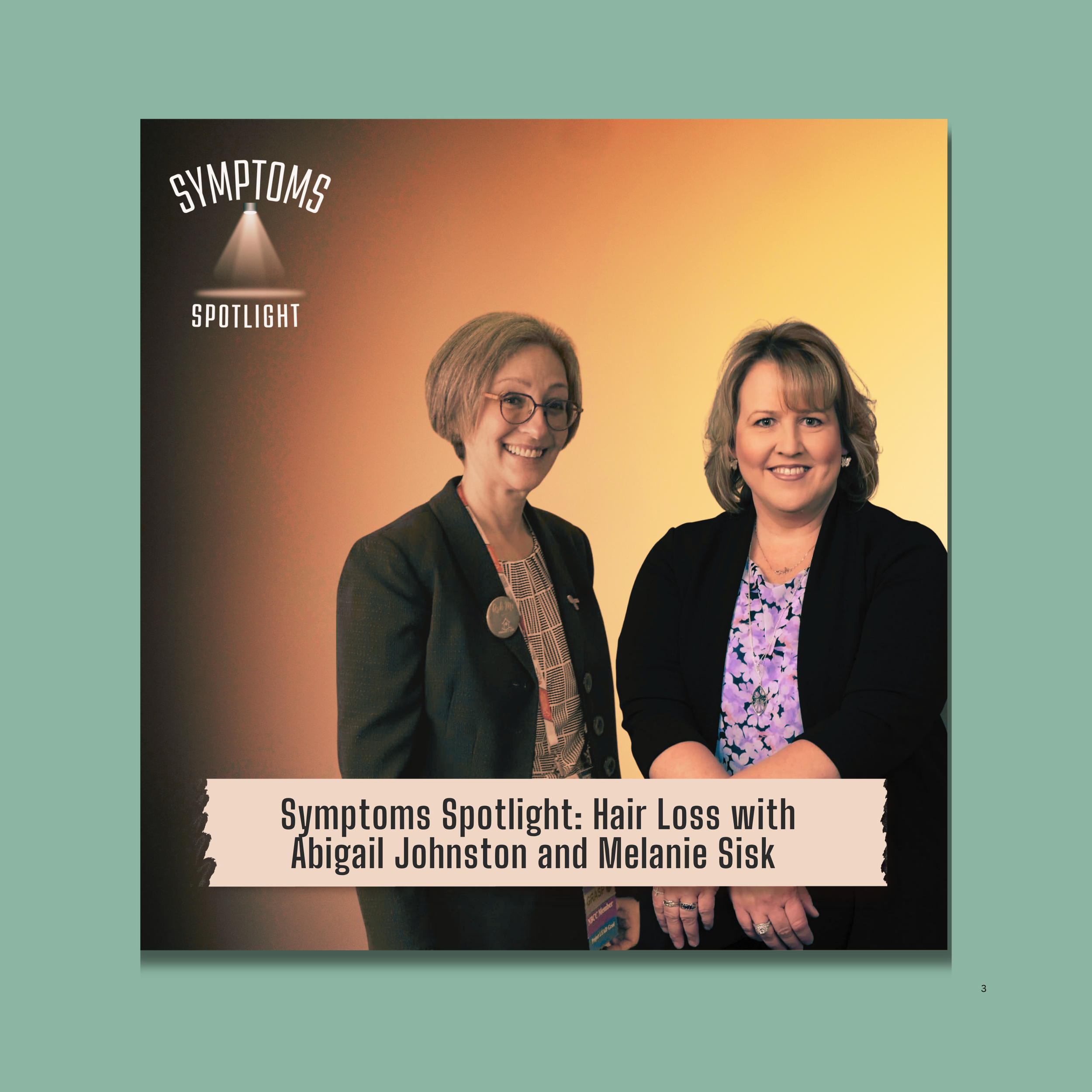
Live from Stage 4 | Episode # 025| 4/21/2026 | Symptoms Spotlight
Listen to full episode :
Hosts
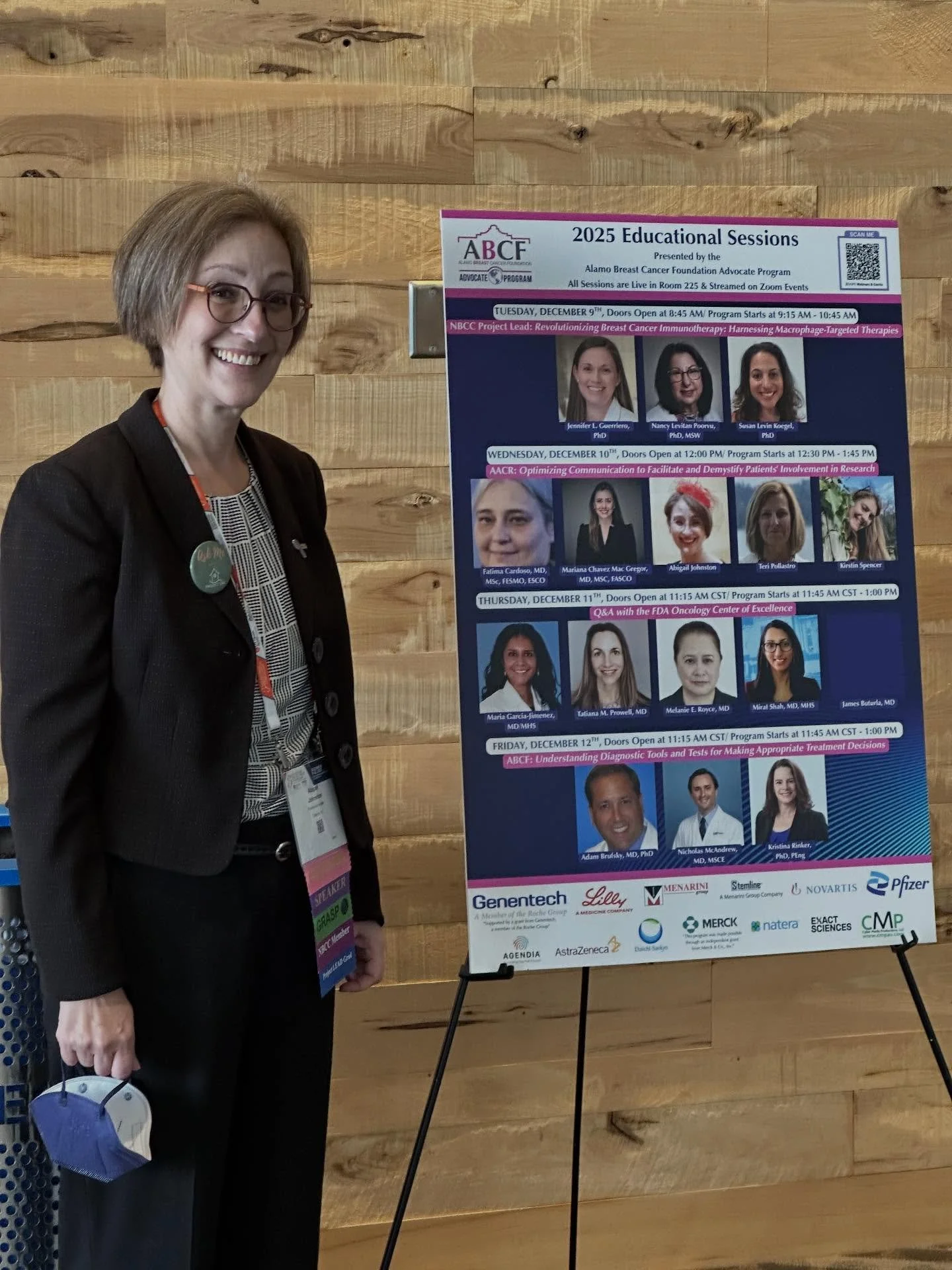
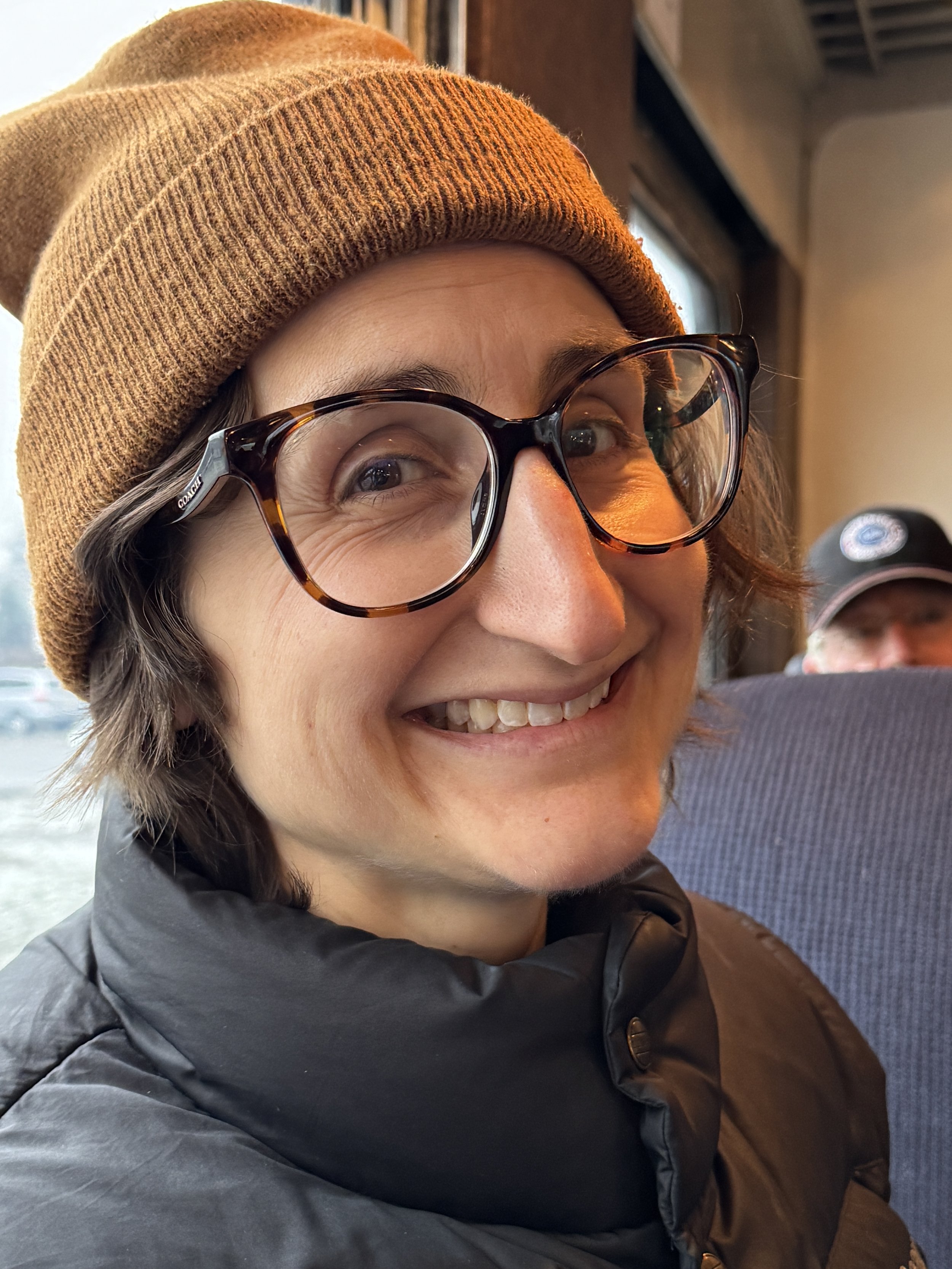
Abigail Johnston lives in Orlando, Florida and has been an attorney since 2002. In 2017, while tandem breastfeeding her boys (then 1 and 3), Abigail was diagnosed with de novo Stage IV Metastatic Breast Cancer (MBC) and soon thereafter discovered that she has a genetic mutation that predisposed her to developing cancer at ATM. Since her diagnosis, Abigail has focused her efforts on patient advocacy and supporting those people in the MBC Community through her experience and training, virtually and in person. She currently serves as the Director of Mentorship, Legal Clinics and financial services at Project Life, a founding member of the PIK3CA Pathbreakers, and volunteers with a variety of organizations including the MBC Alliance, FORCE, METAvivor, and many others. Connect with Abigail via her blog at NoHalfMeasures.blog.
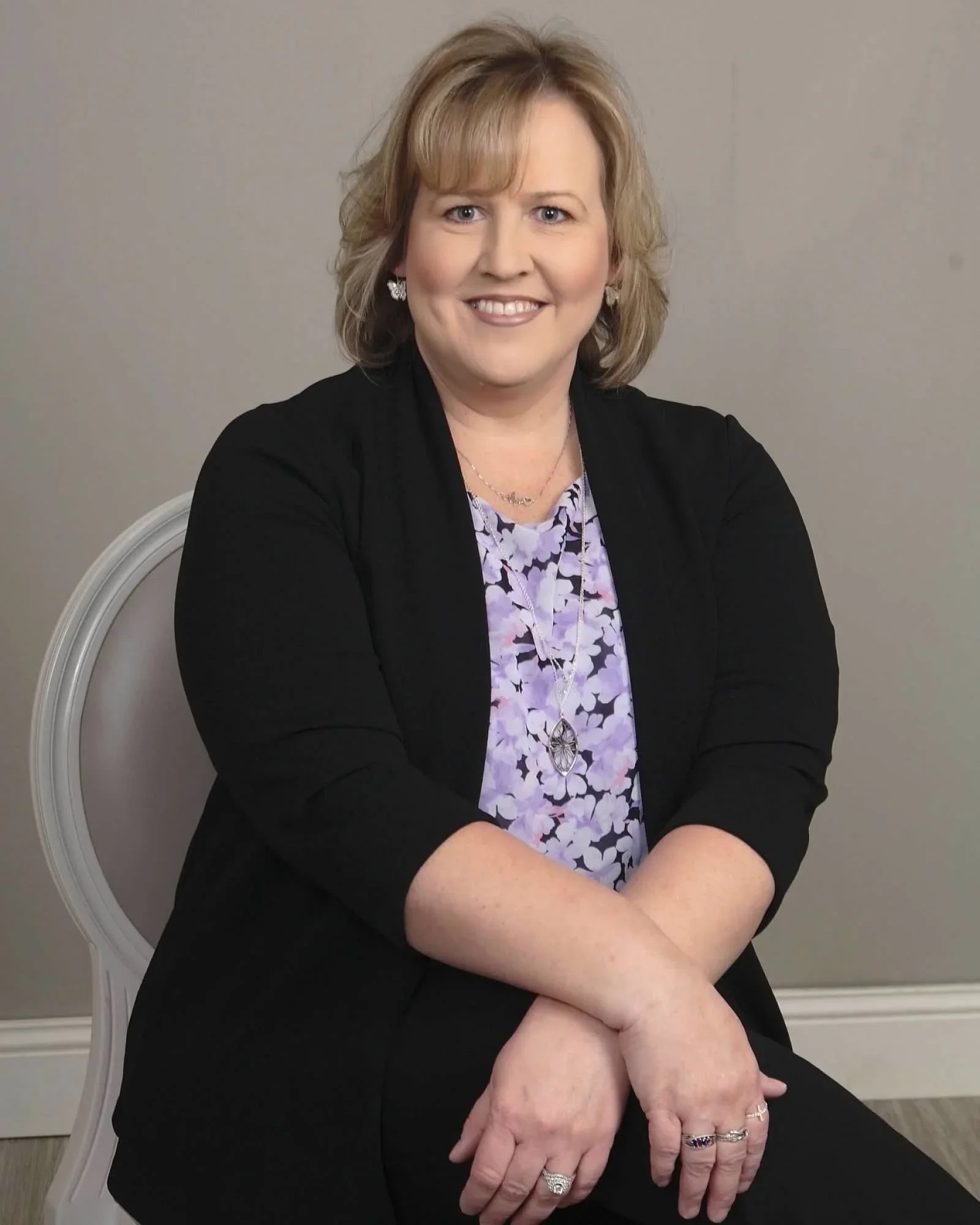
Melanie Sisk was a wife, mom of two young boys, and working full-time as a Registered Nurse when she was diagnosed with Stage 1A Breast Cancer at the age of forty-three. She completed her recommended surgery and radiation and was on endocrine therapy. Melanie thought she had put cancer behind her because she did everything right. However, she was diagnosed with Metastatic Breast Cancer at the age of forty-seven. Due to her metastatic treatment protocol and disease, she retired from her nursing career. Melanie has dived into advocacy work with an urgency to do what she can, while she can. She helped to start and moderate a local support group in her area of North Carolina called Piedmont Triad METsters. She is a trained volunteer with Cancer Services, Inc. and a Peer to Peer Support Group Leader and Light Up MBC State Captain for METAvivor. She is a Living Beyond Breast Cancer 2023 Hear My Voice MBC leadership alumna and a mentor with Project Life. She also serves on the MBC Leadership Committee for Surviving Breast Cancer. She is also a part of the new initiative, PIK3CA Pathbreakers.
Dr. Jill N. Tirabassi, MD, MPH is a physician, researcher, wife, mother, athlete, and advocate living with metastatic breast cancer (MBC). Diagnosed de novo on October 13, 2022—Metastatic Breast Cancer Day—while pregnant with her second son, Jill’s experience has fueled her passion for raising awareness about postpartum breast cancer (PPBC) and advocating for improved understanding and treatment of this distinct subtype of breast cancer.With a background in preventive and lifestyle medicine research, Jill is dedicated to educating patients and clinicians about PPBC’s unique risks, including its high likelihood of metastasis. She believes the oncology community must develop tailored treatment approaches for PPBC and prioritize research, particularly in immunotherapy, to improve outcomes for those diagnosed. Jill is also a proponent of exercise and evidence-based lifestyle medicine as critical components of cancer care, challenging gaps in their integration into oncology treatment plans. Through her work and advocacy, Jill is committed to driving change and improving the lives of those living with PPBC and MBC.
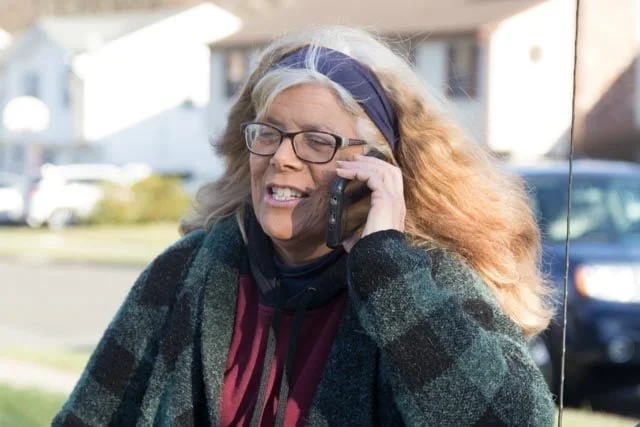
Lisa Backus is an award-winning reporter who currently covers breaking news and criminal justice policy for Hearst Connecticut Media Group.
Professional Profile
Role: Staff Writer and crime reporter for several publications under the Hearst umbrella, including CT Insider, the New Haven Register, and the Stamford Advocate.
Focus Areas: She specializes in local, state, and national breaking news, with a particular emphasis on criminal justice policy and significant trials within Connecticut.
Previous Experience: She has worked with Central Connecticut Communicationsand contributed to the Connecticut Health I-Team (C-HIT).
Recognition: Her work has earned various local, state, and national journalism awards.
Personal Life
When not reporting on major crime stories like the Michelle Troconis trial or other high-profile criminal cases, she enjoys spending time with her six grandchildren and her animal companions, Spot and Morgan
Summary
Hair loss and thinning are among the most emotionally charged side effects of living with metastatic breast cancer (MBC) — and they're rarely talked about with enough honesty. In this Symptom Spotlight, hosts Abigail Johnston and Melanie Sisk are joined by fellow MBC advocates Lisa Backus and Jill Tirabassi for a candid, compassionate, and at times humorous conversation about what hair loss really looks and feels like when you're living with MBC.
Each woman brings a different experience to the table: Abigail has lost her hair completely three times; Jill has experienced full loss twice from chemotherapy; Lisa is navigating significant thinning on a clinical trial; and Melanie has dealt with gradual thinning from targeted therapy and medically-induced menopause. Together, they explore both the practical and psychological dimensions of hair loss — from finding the right wig or head covering to processing the grief of no longer being able to "pass as healthy."
The group discusses a wide range of interventions — some tried and tested, some still being explored — and reminds listeners that hair loss, while not life-threatening, is a meaningful and legitimate part of the MBC experience that deserves to be taken seriously.
Key Takeaways
1. Know what type of hair loss you're experiencing. Hair thinning (gradual shedding and volume loss) and full hair loss (follicle death, often preceded by a painful scalp tingling) are different experiences that may call for different approaches. Understanding which you're dealing with helps you find the right solutions.
2. Full hair loss often comes with a warning sign. Several panelists described a painful or tingling sensation in the scalp — "like the hair follicles are screaming" — that signals complete hair loss is imminent. At that point, shaving the head proactively and letting it grow back evenly may be preferable to watching it fall out.
3. Wigs work for some, but aren't for everyone. Insurance may cover a hair prosthesis (ask your oncologist for a prescription). Real-hair wigs tend to look more natural, and specialty shops — including theatrical or costume boutiques — can offer expert fitting and styling advice. That said, many women find soft hats, beanies, and scarves more comfortable and practical for everyday wear.
4. Get creative with head covering and self-expression. Henna tattoos on a bald head, bold earrings, and statement scarves are all ways women have reclaimed their appearance and sense of self. Embracing rather than hiding hair loss can be a powerful choice.
5. Several supplements and treatments may support hair health — but always check with your care team first.
Biotin is commonly used but can interfere with tumor marker blood tests.
Minoxidil (Rogaine) has been recommended by some oncologists for hair regrowth and is worth discussing.
Vitamin panels (through an integrative medicine doctor) can identify deficiencies linked to hair loss.
Platelet-rich plasma (PRP) injections into the scalp are an option some women explore.
Hair toppers and volumizing products can help with thinning without medical intervention.
6. Practical hair care tips matter.
Use a silk pillowcase to reduce friction and breakage.
Avoid high heat from curling irons and blow dryers.
Look for volumizing shampoos and conditioners.
Find a hairstylist experienced with cancer patients — they can recommend cuts that maximize fullness and offer realistic advice.
7. Hair often grows back differently — and that's okay. Texture, curl pattern, and even color can change after chemotherapy. Many women experience "chemo curls" or find their hair grows back darker or with fewer grays. Shaving again during early regrowth can help hair come in more evenly.
8. The psychological impact of hair loss is real and valid. Losing your hair changes how the world sees you — and how you see yourself. Visibly "looking sick" affects social interactions, self-image, and emotional wellbeing. The panelists emphasize that hair loss is not a trivial concern, and seeking support — from a stylist, a fellow patient, or a mental health professional — is entirely appropriate.
9. You don't have to figure this out alone. Peer wisdom — from others living with MBC — is one of the most valuable resources available. Connecting with others who have navigated hair loss can provide both practical tips and emotional support.
Nothing shared in this episode constitutes medical advice. Always consult your oncology team before trying new products, supplements, or interventions.rned about reclaiming healthy sleep.
