
On Our Own Terms: A Conversation About Medical Aid in Dying, Dignity, and the Choices We're Afraid to Make
Listen to full episode :

Live from Stage 4 | Episode #040| 08/04/2026 | On Our Own Terms
GUESTS
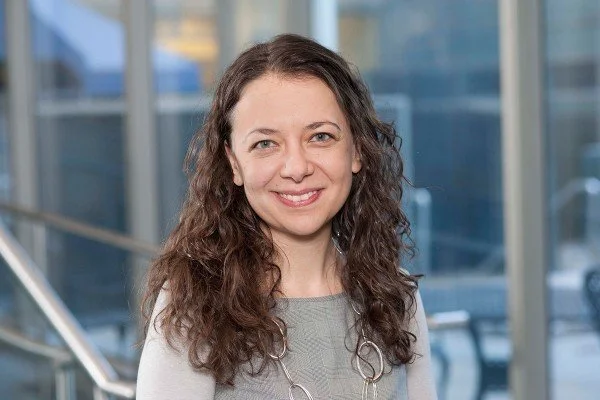
Dr. Yesne Alici, MD is a triple board-certified psychiatrist and geriatric psychiatrist with over 25 years of medical experience.
Professional Roles & Affiliations
Associate Attending Psychiatrist
Clinical Director, Psychiatry Service
Vice Chair of Clinical Operations Department of Psychiatry and Behavioral Sciences
Clinical Ethics Consultant, Memorial Sloan Kettering Cancer Center
Associate Professor of Clinical Psychiatry, Weill Cornell Medical College
She currently serves as the Vice Chair of Clinical Operations for the Department of Psychiatry and Behavioral Sciences at the Memorial Sloan Kettering Cancer Center (MSKCC). Her clinical practice focuses on psycho-oncology, brain tumor psychiatry, and the care of elderly cancer patients, addressing adjustment disorders, anxiety, and cognitive changes.
Beyond her clinical roles, Dr. Alici is a recognized expert and researcher in the ethical, clinical, and institutional planning surrounding Medical Aid in Dying (MAiD). Her work emphasizes the critical role of Consultation-Liaison psychiatry in evaluating decision-making capacity and managing distress in terminally ill patients. She actively educates medical communities on implementing thoughtful institutional pathways for end-of-life care options. Dr. Alici earned her medical degree from Istanbul University and completed her Geriatric Psychiatry fellowship at the University of Pennsylvania.
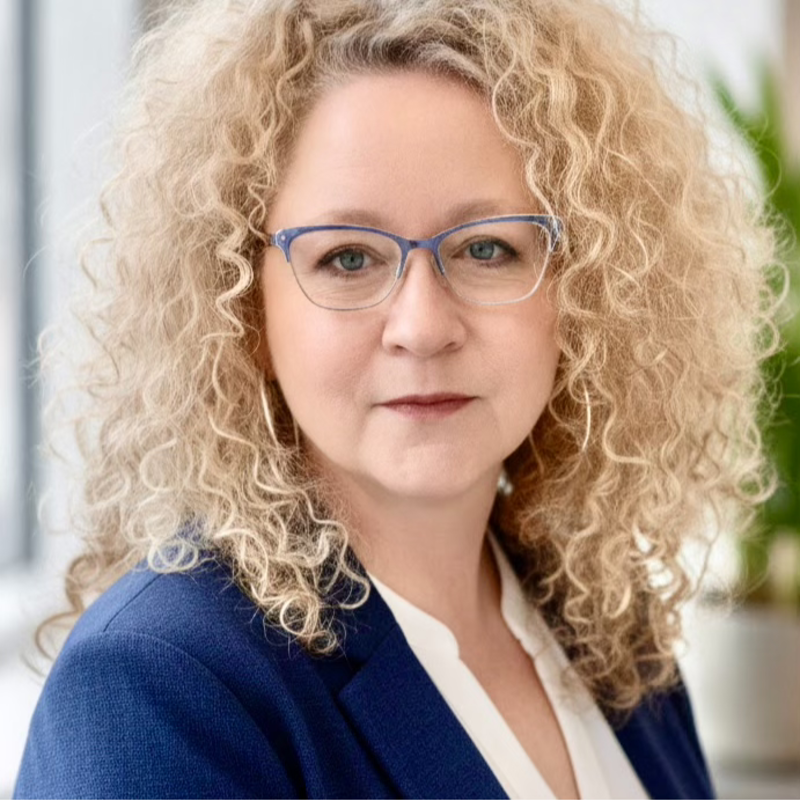
Elizabeth Armijo is a prominent healthcare advocate, community organizer, and policy leader based in New Mexico.
Current Role: National Director of Legislative Advocacy for Compassion & Choices, leading campaigns for end-of-life options.
Local Leadership: Board Chair of End of Life Options New Mexico (EOLONM).
Public Office: Served on the Albuquerque Public Schools Board of Education (District 6) from 2017 to 2021.
Background: Former positions included leadership roles at the YWCA Middle Rio Grande and the American Heart Association.
Education: B.A. from The University of New Mexico and executive education at Harvard Business School.
Quick Summary
Dr. Cicely Saunders, the nurse and physician who founded the modern hospice movement, once said: "You matter because you are you, and you matter to the end of your life. We will do all we can not only to help you die peacefully, but also to live until you die."
That quote sits at the heart of this episode — and at the heart of a question that most of us spend our lives avoiding: what does it mean to have a say in how we die?
On August 5th, 2026, New York State became one of only fourteen jurisdictions in the country where medical aid in dying is now legal. For the Live from Stage 4 community — people living with metastatic breast cancer and other terminal diagnoses — this isn't a theoretical discussion. It's personal.
In this first episode of our new series On Our Own Terms, host Victoria Goldberg, alongside co-hosts Abigail Johnston and Dr. Ellen Landsberger, brings together two guests with very different but deeply complementary perspectives on this landmark moment.
The Clinical Perspective: Dr. Yesne Alici
Dr. Alici is a psychiatrist at Memorial Sloan Kettering Cancer Center and the founding chair of MSK's Medical Aid in Dying Advisory Council — a group she assembled deliberately to include voices across the spectrum of opinion, from strong supporters to deep skeptics.
She walks us through what New York's Medical Aid in Dying Act actually requires: who qualifies, what the process looks like, how the safeguards work, and how MSK is building a specialized clinical team to implement it with care and rigor. She also addresses what she calls the "platinum rule" — not doing unto patients as you would want done to yourself, but as they would want done to themselves.
Perhaps most strikingly, she shares that the top three reasons people pursue medical aid in dying worldwide are not pain or fear of death — they are loss of autonomy, loss of the ability to engage in meaningful activities, and loss of dignity. And that only aa tiny number of people who receive the prescription ever use it. For many, simply having the option is enough.
"Our goal is neither to steer a person toward or away from medical aid in dying. It's to make sure that everybody's heard, fully informed, supported, and never abandoned."
The Advocacy Perspective: Elizabeth Armijo
Elizabeth Armijo has spent more than a decade on the front lines of the medical aid in dying movement as National Director of Legislative Advocacy at Compassion & Choices, the leading nonprofit working to expand end-of-life options across the country.
She traces the long road to legalization — from a 2012 court challenge in New Mexico through three legislative sessions and nearly a decade of organizing — and explains what the current national landscape looks like: 31 pieces of legislation introduced across 18 states in 2025 alone, resulting in three new states passing the law and nearly 85 million Americans now having legal access.
She also speaks honestly about the opposition — from faith communities and disability advocates — and about what Compassion & Choices does in the 36 states where MAID is still not legal: educating communities about the full spectrum of end-of-life options, from advance directives to voluntary stopping of eating and drinking, and helping families have the conversations they keep putting off.
"Working with terminally ill advocates sparked something within me. I wanted to be part of this movement — and part of this end-of-life journey with people."
The Conversation We Keep Avoiding
Woven through both interviews is a thread that connects every listener, regardless of diagnosis: the fear that talking about death will somehow make it happen sooner. Abigail shares the story of her father-in-law, who refused to discuss end of life because he believed speaking it would bring it into being.
It's a fear most of us recognize. This episode is an invitation to examine it — and to consider what becomes possible when we finally say the thing out loud.
This episode is for informational purposes only. Nothing shared constitutes medical or legal advice. All end-of-life decisions should be made in consultation with your own medical team.
Topics covered:
Medical Aid in Dying (MAiD) vs. euthanasia — what's the difference?
New York's MAiD Act: eligibility requirements and safeguards
How MSK is building its clinical MAiD team
The top three reasons people pursue MAiD worldwide: loss of autonomy, loss of dignity, loss of meaningful activity
Opposition from faith communities and disability advocates
What Compassion & Choices does in states where MAiD isn't yet legal
Resources for patients, caregivers, and families
Resources mentioned:
Compassion & Choices: 1-800-247-7421
The Academy of Aid-in-Dying Medicine (formerly the American Clinicians Academy on Medical Aid in Dying)
Five Wishes advance directive planning
