
Symptoms Spotlight: Bloood Clots with Abigail Johnston and Melanie Sisk
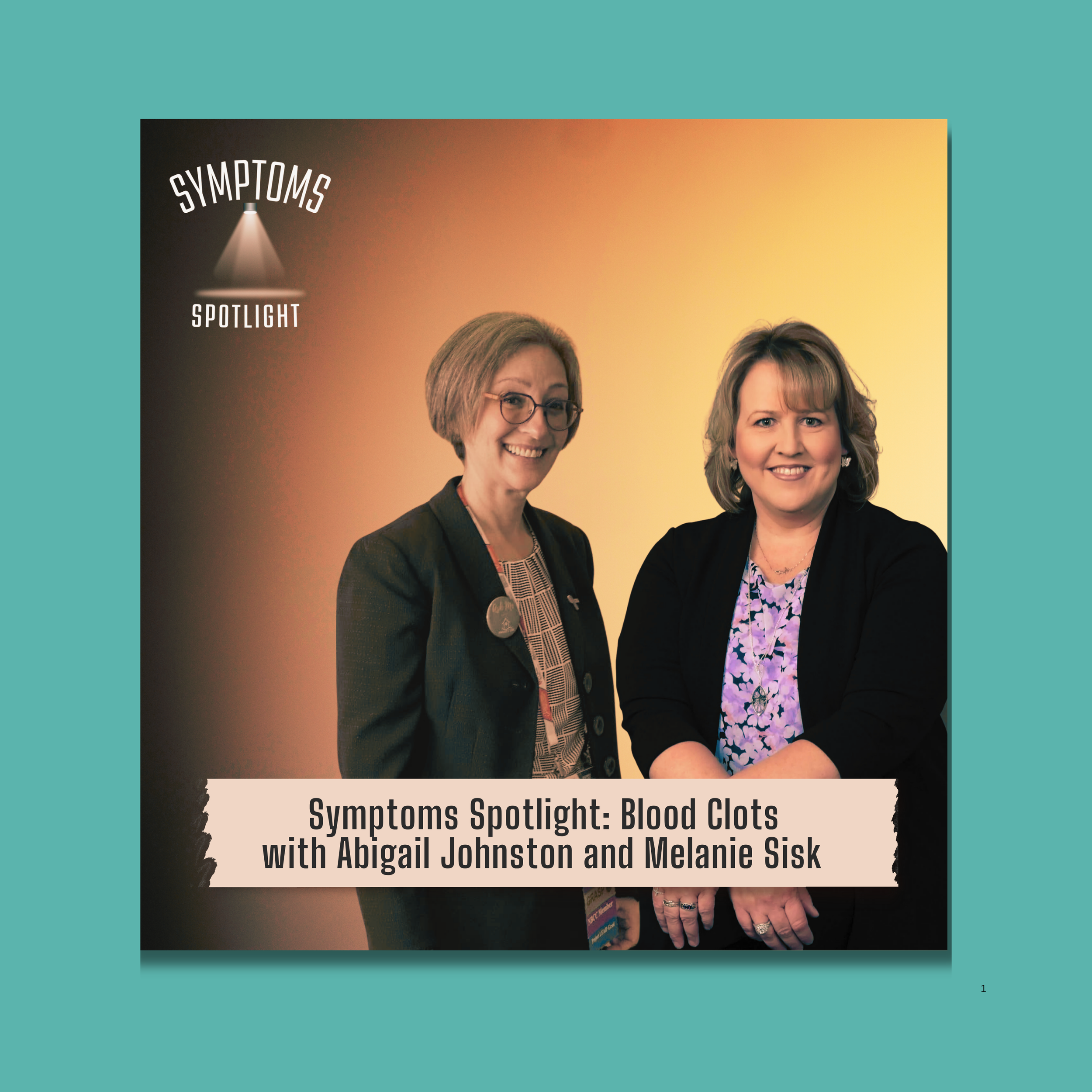
Live from Stage 4 | Episode # 038| 07/21/2026 | Symptoms Spotlight
Listen to full episode :
Hosts
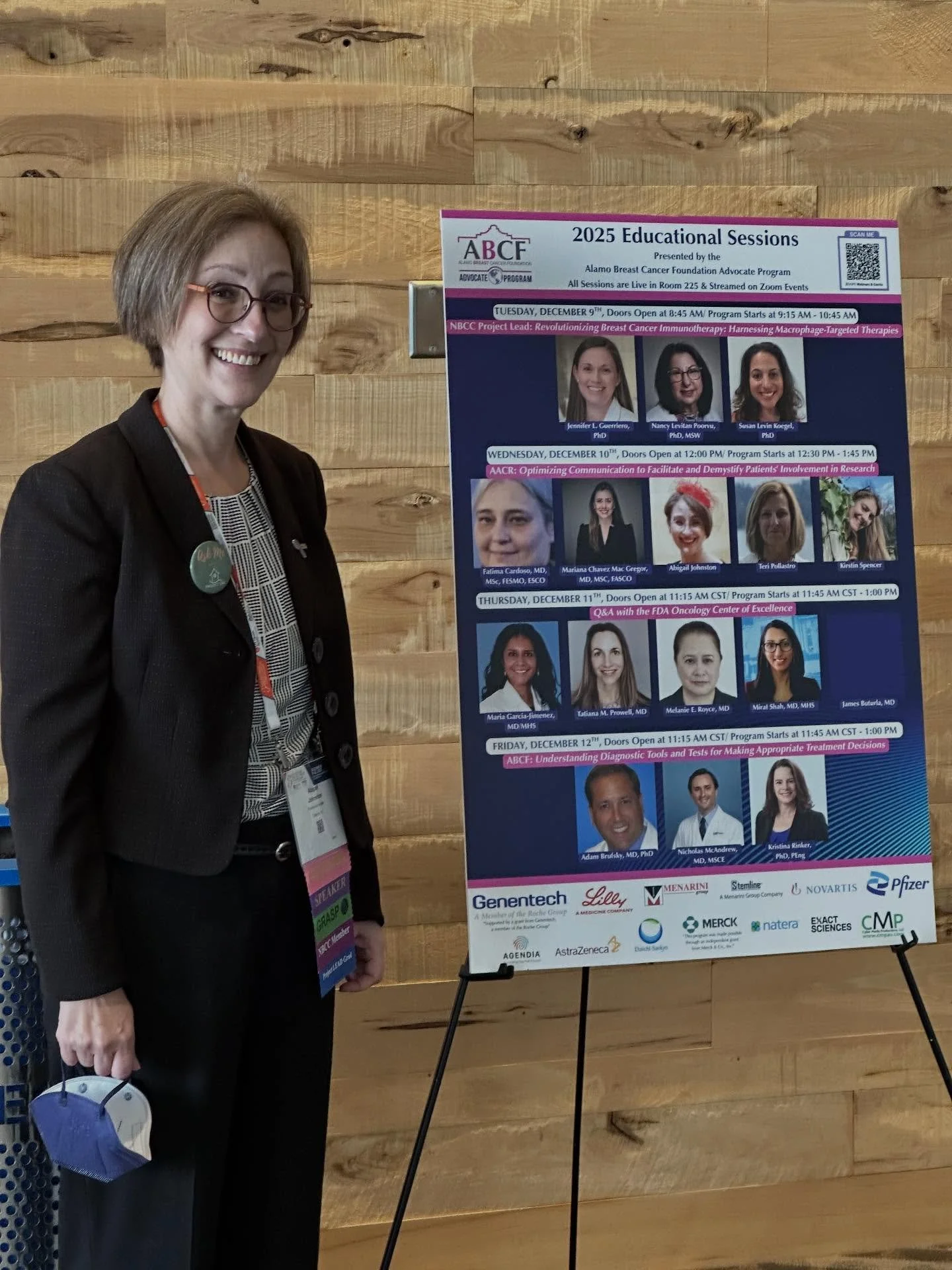
Abigail Johnston lives in Orlando, Florida and has been an attorney since 2002. In 2017, while tandem breastfeeding her boys (then 1 and 3), Abigail was diagnosed with de novo Stage IV Metastatic Breast Cancer (MBC) and soon thereafter discovered that she has a genetic mutation that predisposed her to developing cancer at ATM. Since her diagnosis, Abigail has focused her efforts on patient advocacy and supporting those people in the MBC Community through her experience and training, virtually and in person. She currently serves as the Director of Mentorship, Legal Clinics and financial services at Project Life, a founding member of the PIK3CA Pathbreakers, and volunteers with a variety of organizations including the MBC Alliance, FORCE, METAvivor, and many others. Connect with Abigail via her blog at NoHalfMeasures.blog.
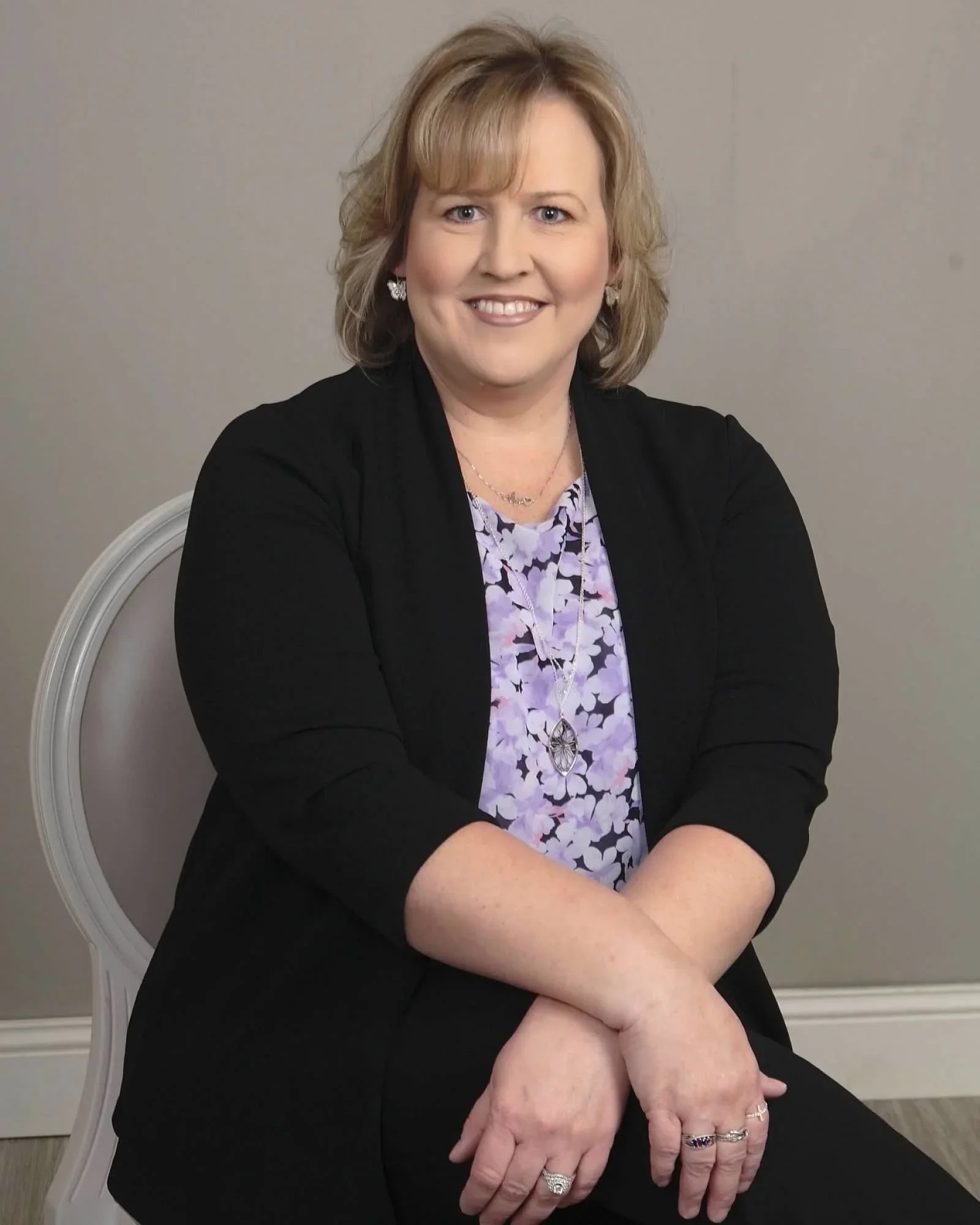
Melanie Sisk was a wife, mom of two young boys, and working full-time as a Registered Nurse when she was diagnosed with Stage 1A Breast Cancer at the age of forty-three. She completed her recommended surgery and radiation and was on endocrine therapy. Melanie thought she had put cancer behind her because she did everything right. However, she was diagnosed with Metastatic Breast Cancer at the age of forty-seven. Due to her metastatic treatment protocol and disease, she retired from her nursing career. Melanie has dived into advocacy work with an urgency to do what she can, while she can. She helped to start and moderate a local support group in her area of North Carolina called Piedmont Triad METsters. She is a trained volunteer with Cancer Services, Inc. and a Peer to Peer Support Group Leader and Light Up MBC State Captain for METAvivor. She is a Living Beyond Breast Cancer 2023 Hear My Voice MBC leadership alumna and a mentor with Project Life. She also serves on the MBC Leadership Committee for Surviving Breast Cancer. She is also a part of the new initiative, PIK3CA Pathbreakers.
Dr. Ellen Landsberger, MD -- a retired OB/GYN from New York has lived with metastatic breast cancer for years, but it was the loss of a close friend to the disease that sparked he
Medical Career & Background
Specialty: She practiced as an Obstetrician-Gynecologist specializing in Maternal-Fetal Medicine.
Academic Role: She served as an Associate Professor Emerita in the Department of Obstetrics & Gynecology and Women's Health at the Albert Einstein College of Medicine.
Professional Leadership: She was highly active in organized medicine, notably within the American College of Obstetricians and Gynecologists (ACOG) before her retirement from practice in 2016.
Summary
Blood clots are a serious and often overlooked risk for people living with metastatic breast cancer. In this Symptom Spotlight, Abigail Johnston and Melanie Sisk bring together lived experience and clinical knowledge to shed light on what every MBC patient should know. Melanie, a registered nurse, explains how clots form, where they can occur in the body, and why cancer patients face significantly higher risk than the general population. Abigail shares her personal story of being diagnosed with two blood clots in her heart, discovered unexpectedly during a routine echocardiogram while on Enhertu. Together they explore risk factors ranging from cancer treatment side effects to port complications, practical prevention strategies, and the importance of speaking up to your healthcare team when something feels different.
Key Takeaways
Cancer significantly raises clot risk. People with breast cancer face three to four times the risk of blood clots compared to people of the same age and demographics without cancer. Cancer itself and many common treatments including tamoxifen, CDK4/6 inhibitors, and chemotherapy all contribute to that elevated risk.
Blood clots can occur anywhere in the body. A clot in the lungs is a pulmonary embolism. In the brain, it is a stroke. In the heart, it is a heart attack. In the legs, it is a deep vein thrombosis or DVT. Each location carries its own symptoms and level of urgency.
Ports are an underrecognized risk factor. Having any foreign object in the body, including a port, increases clot risk. A port cannula that extends too far can also cause trauma-induced clots, which is what happened in Abigail's case.
You may have no symptoms at all. Abigail had no warning signs before her clots were found. Regular monitoring and routine imaging can catch what your body may not be telling you.
Practical prevention matters. Compression stockings, stopping to move every two hours during long drives or flights, and staying as active as your body allows are all meaningful ways to reduce risk.
Know when to seek a specialist. Oncologists trained in hematology do not always have the depth of knowledge needed for complex blood clot questions. Asking for a referral to a dedicated hematologist can make a significant difference in the care you receive.
When in doubt, speak up. If you are wondering whether a symptom is worth mentioning to your healthcare team, the answer is yes. It is always better to ask than to wa
Resources Mentioned in This Episode
For Further Reading
Read about the leg compression deviceshere
Blood Clots, or Thrombosis, in Patients With Cancer, JAMA Oncology
Thrombosis in cancer patients: etiology, incidence, and management PMC PubMed Central
