
Symptoms Spotlight: Diarrhea with Abigail Johnston and Melanie Sisk

Live from Stage 4 | Episode # 014| 2/3/2026 | Symptoms Spotlight
Listen to full episode :
Hosts
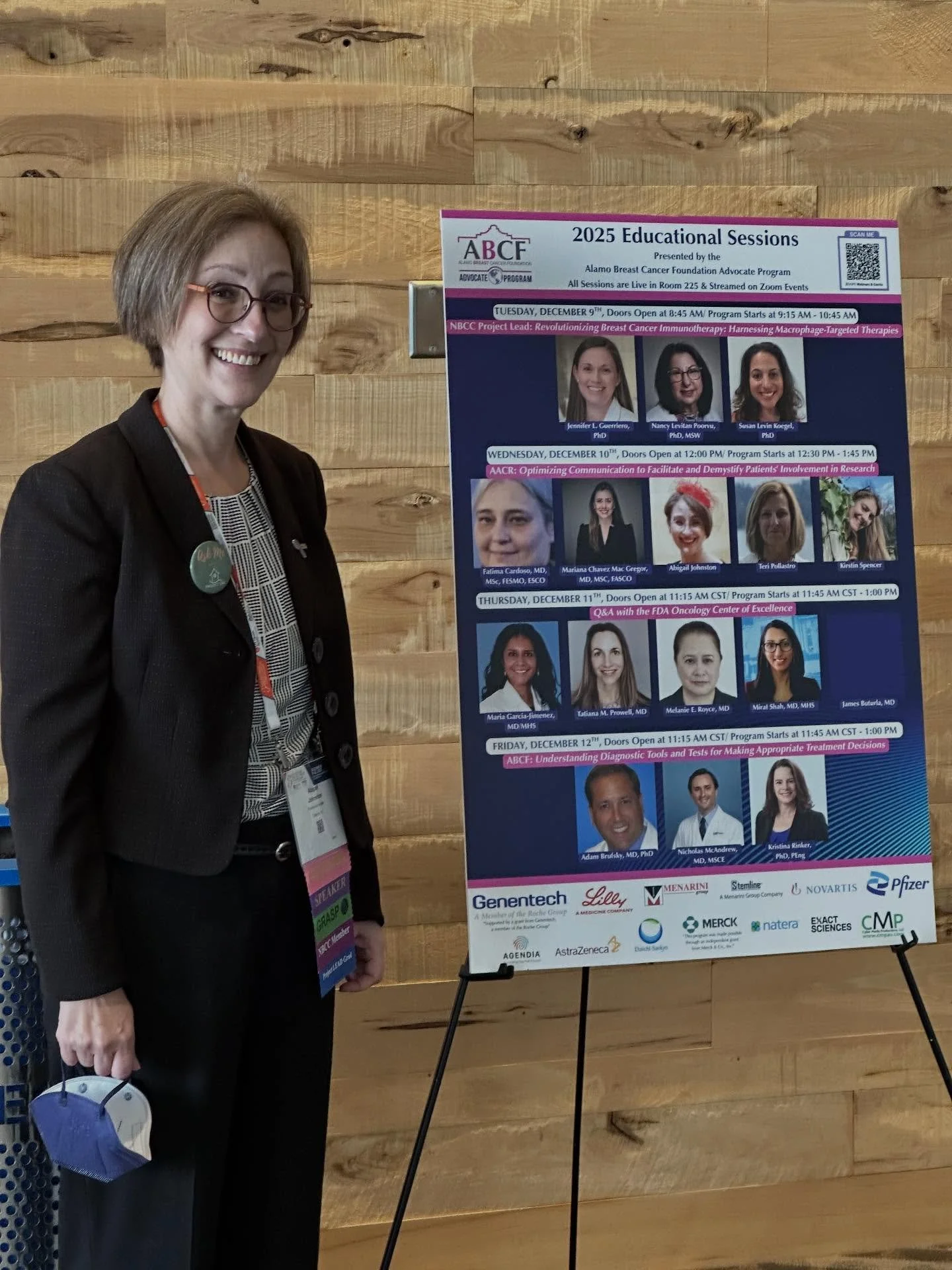
Abigail Johnston lives in Orlando, Florida and has been an attorney since 2002. In 2017, while tandem breastfeeding her boys (then 1 and 3), Abigail was diagnosed with de novo Stage IV Metastatic Breast Cancer (MBC) and soon thereafter discovered that she has a genetic mutation that predisposed her to developing cancer at ATM. Since her diagnosis, Abigail has focused her efforts on patient advocacy and supporting those people in the MBC Community through her experience and training, virtually and in person. She currently serves as the Director of Mentorship, Legal Clinics and financial services at Project Life, a founding member of the PIK3CA Pathbreakers, and volunteers with a variety of organizations including the MBC Alliance, FORCE, METAvivor, and many others. Connect with Abigail via her blog at NoHalfMeasures.blog.
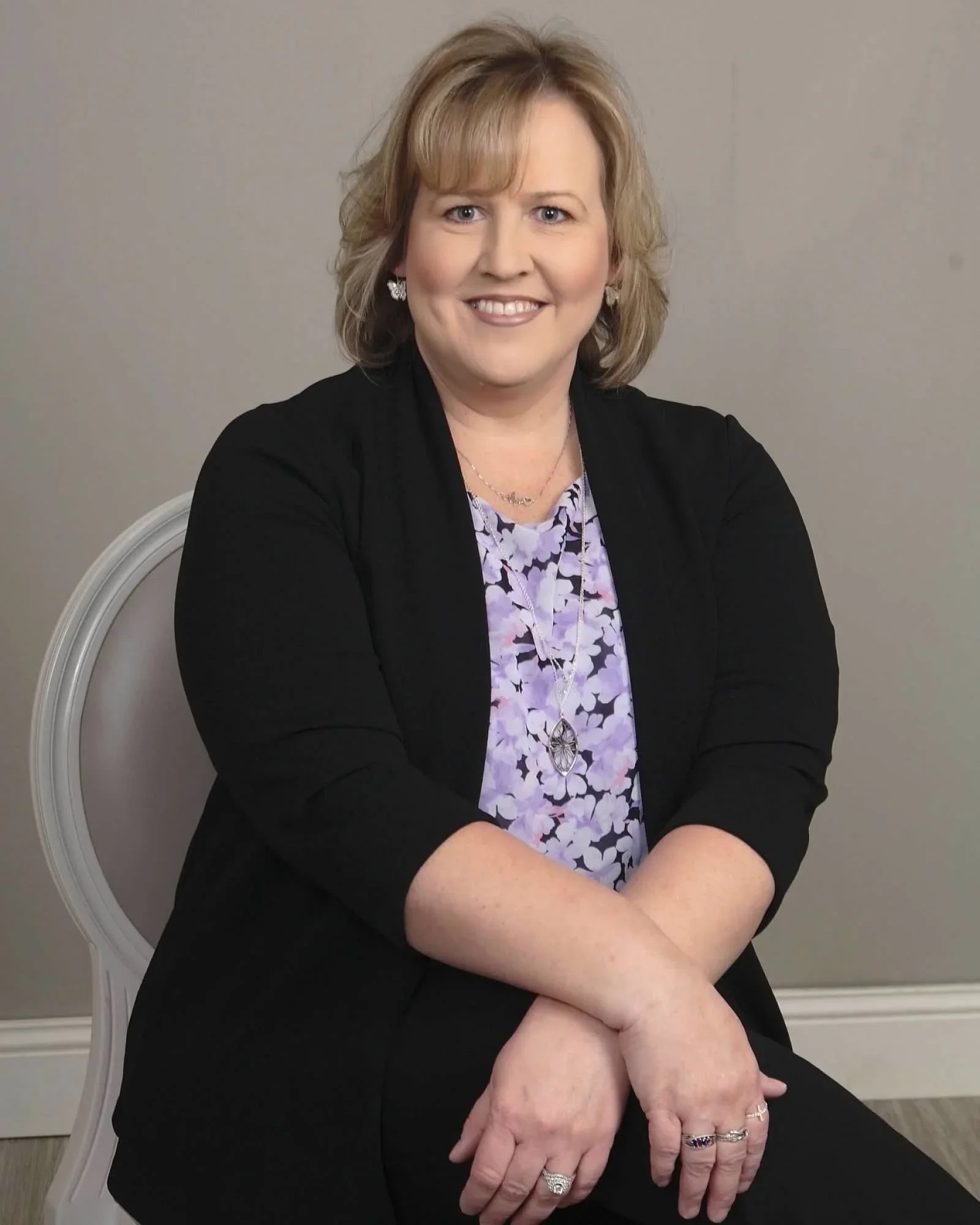
Melanie Sisk was a wife, mom of two young boys, and working full-time as a Registered Nurse when she was diagnosed with Stage 1A Breast Cancer at the age of forty-three. She completed her recommended surgery and radiation and was on endocrine therapy. Melanie thought she had put cancer behind her because she did everything right. However, she was diagnosed with Metastatic Breast Cancer at the age of forty-seven. Due to her metastatic treatment protocol and disease, she retired from her nursing career. Melanie has dived into advocacy work with an urgency to do what she can, while she can. She helped to start and moderate a local support group in her area of North Carolina called Piedmont Triad METsters. She is a trained volunteer with Cancer Services, Inc. and a Peer to Peer Support Group Leader and Light Up MBC State Captain for METAvivor. She is a Living Beyond Breast Cancer 2023 Hear My Voice MBC leadership alumna and a mentor with Project Life. She also serves on the MBC Leadership Committee for Surviving Breast Cancer. She is also a part of the new initiative, PIK3CA Pathbreakers.
Summary
Melanie Sisk and Abigail Johnston discuss managing diarrhea caused by cancer medications—a disruptive side effect that's often difficult to talk about but significantly impacts quality of life. They share personal experiences with different severity grades, from mild episodes to severe grade three diarrhea requiring 7-10+ extra bathroom trips daily.
The hosts cover practical management strategies including dietary modifications, over-the-counter and prescription medications like Imodium and Lomotil, and the benefits of working with specialists beyond your oncology team. Abigail shares how consulting with a GI doctor helped her create a personalized management plan and avoid over-medicating, while Melanie offers nursing insights on hydration, skin care, and knowing when to seek help.
Key Takeaways: Diarrhea
Diarrhea is a common side effect of many cancer medications (CDK 4/6 inhibitors, Herceptin, Enhertu) that significantly impacts quality of life
Understand the grading system (details below)
Grade 2: Moderate increase in bathroom trips
Grade 3: 7-10+ extra bowel movements per day above baseline
Management strategies include:
Diet matters. Keep a food diary to identify triggers and work with a dietician/nutritionist for personalized recommendations
Stay hydrated. Diarrhea can lead to dehydration and electrolyte imbalances
Manage skin breakdown. Prescription creams like Calmoseptine and Mupirocin can help with irritation in sensitive areas
Seek specialist help. Consider consulting a gastroenterologist for severe or persistent symptoms, not just your oncology team
Ask who's best equipped to help. Pharmacists, symptom management clinics, and specialized nurses may offer better support than your primary oncologist
Advocate for yourself. Don't let providers brush off your concerns. If it's affecting your quality of life, speak up
Avoid over-medicating. Working with specialists can help you find the right balance and avoid making constipation worse
Express Symptom Management Clinics - Many hospital systems and infusion centers offer dedicated symptom management clinics for patients in active treatment. These clinics provide quick intervention for urgent issues like severe dehydration requiring IV fluids, allowing you
CTCAE Diarrhea Grading
Diarrhea is commonly graded (1–5) based on the NCI Common Terminology Criteria for Adverse Events (CTCAE), measuring the increase in daily stool frequency over baseline: Grade 1 (mild, <4), Grade 2 (moderate, 4–6), Grade 3/4 (severe/life-threatening, ≥7), and Grade 5 (death).
Grade Severity Description (Stools per day above baseline)
Grade 1: MildIncrease of < 4 stools per day
Grade 2: ModerateIncrease of 4–6 stools per day
Grade 3: SevereIncrease of ≥ 7 stools per day; hospitalization may be indicated
Grade 4: Life-threateningUrgent intervention required (e.g., hemodynamic collapse)
Grade 5: DeathDeath related to the condition
to get help without going to urgent care or the ER. Ask your oncology team if this resource is available to you.
-
[00:01:29] Abigail Johnston: Good morning, Melanie. I thought we might talk about something that, uh, is really disruptive to our lives and that is diarrhea caused by these chemo meds that we have to take.
[00:01:43] Melanie Sisk: Ooh, that is a very interesting topic, Abigail, that I know all of us have dealt with.
[00:01:50] Abigail Johnston: And yet sometimes it's hard to talk to our doctors about it.
It can be a little embarrassing when we might not be able to control whether or not we have a bowel movement when we're driving our cars or walking around in a grocery store.
[00:02:04] Melanie Sisk: Exactly. How many times have you heard the question, what was good today? And the answer was, well, I didn't put my pants today.
I have said that on numerous occasions
[00:02:17] Abigail Johnston: I see that more in cancer support groups than anywhere else in my adult life, and yet it's really just a fact of life that a lot of the medications that we take have a side effect of diarrhea. And I would say the worst diarrhea that I have had was when I was on Enhertu for 18 months.
And would have days of grade three diarrhea and grades, which unfortunately I now know too much about is the amount of extra bowel movements in a day above your baseline, and the definition of grade three is an extra seven to 10 times of being in the bathroom. Then my baseline, which on some days meant I didn't get to leave my house.
[00:03:08] Melanie Sisk: That's rough. That definitely interferes with your quality of life that a lot of people out in the world don't understand that that's one of the things that us cancer patients, we have to deal with. Fortunately for me, I have not had grade three like you yet. I know it's coming. I think the worst I've had is grade two. I'm a nurse, so I don't mind talking about poop, you know, it's like an everyday thing to me.
However, the everyday person. They don't want to hear about how many times you had to poop today or whatever. But that is one of the things that we deal with and when you have a lot of diarrhea, that can cause skin issues in that really sensitive area down there that we've all had to deal with. So, I will throw in at this point, since we're talking about skin alterations in that area, if you do have skin breakdown in that area and you're not able to get it to
heal up on its own, definitely talk to your doctor because there is some creams, prescription creams, but Mupirocin is one I'm thinking about that I've used personally that has really helped in that area. So I always keep it on hand at home and if anybody out there has any condition like that, definitely talk to your doctor.
Mupirocin cream has done wonders for me in that area.
[00:04:28] Abigail Johnston: That's a great suggestion, Melanie, and making sure that you're keeping your doctor apprised of what's going on with your side effects can be really helpful because they're gonna know probably when it's time to consider extra fluids, maybe looking at your electrolytes a little more often to make sure that you don't go down a path that causes anything else.
But Melanie, when you get into these times when you're having a lot of diarrhea, what do you do about it?
[00:04:57] Melanie Sisk: Well, for me, being a nurse, I've always tend to let diarrhea run its course. So it hasn't been to the point that I've had to seek out medication for it, because on the other end of the spectrum, there's the constipation, right?
So if you do too much to treat the diarrhea, then you make your constipation worse. So, for me, since it's just been grade two, I just let it run its course. I try to pay more attention to like my diet, what am I eating? Is there something that I'm putting in my body that's causing it to be worse at this time?
Is it just the meds? It's like a game of let's try to figure out what it is. So I've tried to do that to pay attention. I know certain things as far as food will make it worse, so I try to stay away from those. But just over the counter medications have been helpful for me. And always just make sure if I do have diarrhea, just make sure I stay hydrated because
you do not want to get dehydrated. And then of course, if it's bad enough, definitely talk to your doctor about it. And there's different things you can try, and I've heard about probiotics. People take those to help kind of settle the GI tract.
I would just always advise, definitely talk to your doctor first before you do any kind of medication like that, because we really don't know how that's gonna affect with our cancer meds. So for you, Abigail, being that you've had grade three, like what did you do, what did you find that was most helpful for you during that time?
[00:06:21] Abigail Johnston: So I'm really glad you brought up the diet issue because certainly our medications do have many side effects and. Side effects that are caused by medication can often happen irrespective of what you're doing in terms of what you're putting in your body. But if you're already predisposed, maybe towards having diarrhea because of something in your diet that can exacerbate the symptom.
So I love the idea of looking at that, maybe keeping a food diary and looking at what you are putting in your body. I have met with dieticians and nutritionists depending on which cancer hospital I've been involved with, and that's been great to, one, remind me to keep track of what I'm eating so that I'm paying attention, but also make some suggestions to make some adjustments that might make it a little bit easier.
But I've been on Verzenio, which often has a whole lot of diarrhea. And then of course, Enhertu, like I was talking about. And initially, my team recommended that I try Imodium and I found that that was helpful. In certain situations I found that it was actually better to even prophylactically take Imodium, so not wait until the diarrhea began.
And that was a trial and error situation, right? Figuring out what worked for me. My medical oncologist at the Mayo Clinic had done some studies on specific strains of probiotics that was actually helpful with certain types of chemotherapy. And so when she made those suggestions, I was able to find a probiotic that had the specific strains that she knew would be helpful.
So that was one way that she helped me find something. Again, more prophylactically versus reactively. I did have to go on Lomotil, which is a little bit more significant than taking something over the counter. And that helped in a particular situation when it had gotten really bad. But I think the biggest thing that helped me.
Solve the problem of too much diarrhea was sitting down with my GI doctor and in that process I came away with a spreadsheet of about 10 or 12 different things that I could do, depending on what was going on, and realized in that process that I was overmedicating myself, so I was actually taking too much Imodium at different times or too much probiotics because my system was a little more sensitive than I realized.
And so that was really instructive for me that when we are dealing with these side effects and they get a little extreme, that sometimes there are other experts than our medical team within oncology who might be able to come alongside us and help us solve these problems that, like you said, Melanie, it's a quality of life issue and that's pretty, it's pretty important.
[00:09:23] Melanie Sisk: That is some really great advice about seeking help from the gastroenterologist, right? Because that's their field, that's their body part. That's what they know the best. , Who would think. Just because you have cancer now you need to find a GI doctor.
You know, especially if you're in your thirties, who sees a GI doctor then. But that's some really good information and very helpful. 'cause there's so many people that we can add to our team to help us because cancer affects everything.
[00:09:51] Abigail Johnston: It really does. One other thing that I wanted to throw out there is sometimes there's a member of your oncology team that has,
maybe more experience in helping manage side effects. On my local oncology team, that is a pharmacist, so she really gets involved when people begin to struggle managing certain symptoms.
Maybe ask if you're starting to struggle with a particular side effect, if there is a person on your medical team who is the best for you to interact with? I've gotten sideways with different nurses who were just really not able to help me to the level that I needed when maybe that was a hard thing for them to say.
And so sometimes I think as a patient, maybe just asking the question, who's the best person for me to talk to? And you might be surprised that there might be somebody who really comes alongside you. The other thing I just wanted to say too, when we're in active treatment, a lot of times there is an express symptom management clinic where you can get help very quickly.
Maybe you get really dehydrated and need fluids and don't really wanna go to urgent care. A lot of times the hospital systems, or especially if you're getting infusions, will have a special place for you to go while on active treatment. So another place to maybe seek some help if you need some intervention.
[00:11:17] Melanie Sisk: Exactly. Some really great advice there. And what I can say to top that is just really advocate for yourself. Don't let 'em brush it off. Well just take some Imodium. If it's that bad, you need to tell 'em it's that bad because they're, they only know what you tell them. So even though that's the hard conversation to have, you just have to have it.
If you wanna have a better quality of life. So this is some really great advice. Thank you for sharing all that, Abigail, because you really have had to deal with more of the grade three diarrhea than I, than I have had to so far. I'm still on just the CDK4/6 inhibitors, so I just go from diarrhea to constipation.
And speaking of constipation, that'll be another short, we'll do at another time.
[00:12:01] Abigail Johnston: Can't wait for that one. Melanie.
[00:12:05] Melanie Sisk: It's always great talking to you, Abigail.
