
Symptoms Spotlight: Fatigue with Abigail Johnston and Melanie Sisk
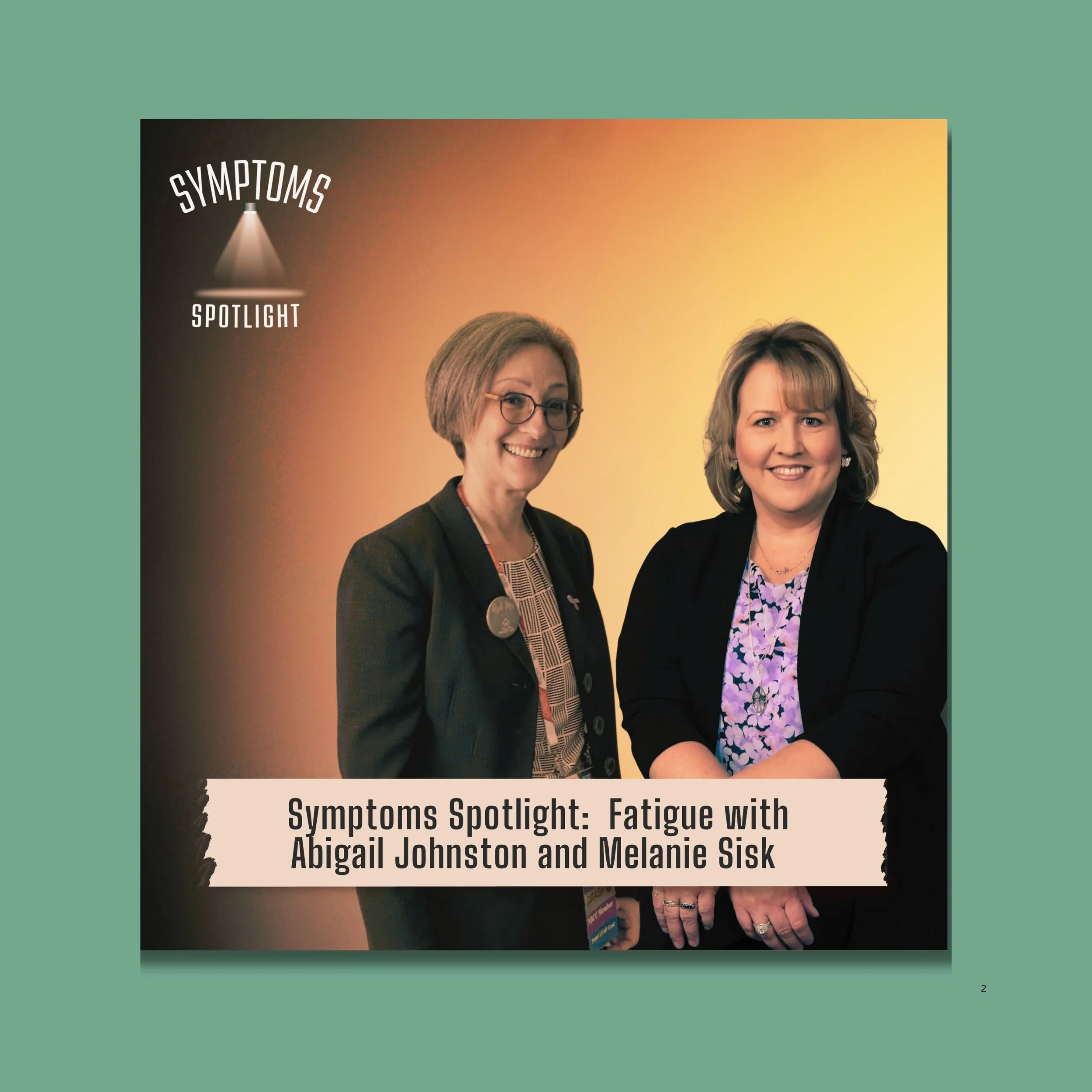
Live from Stage 4 | Episode # 012| 1/20/2026 | Symptoms Spotlight
Listen to full episode :
Hosts
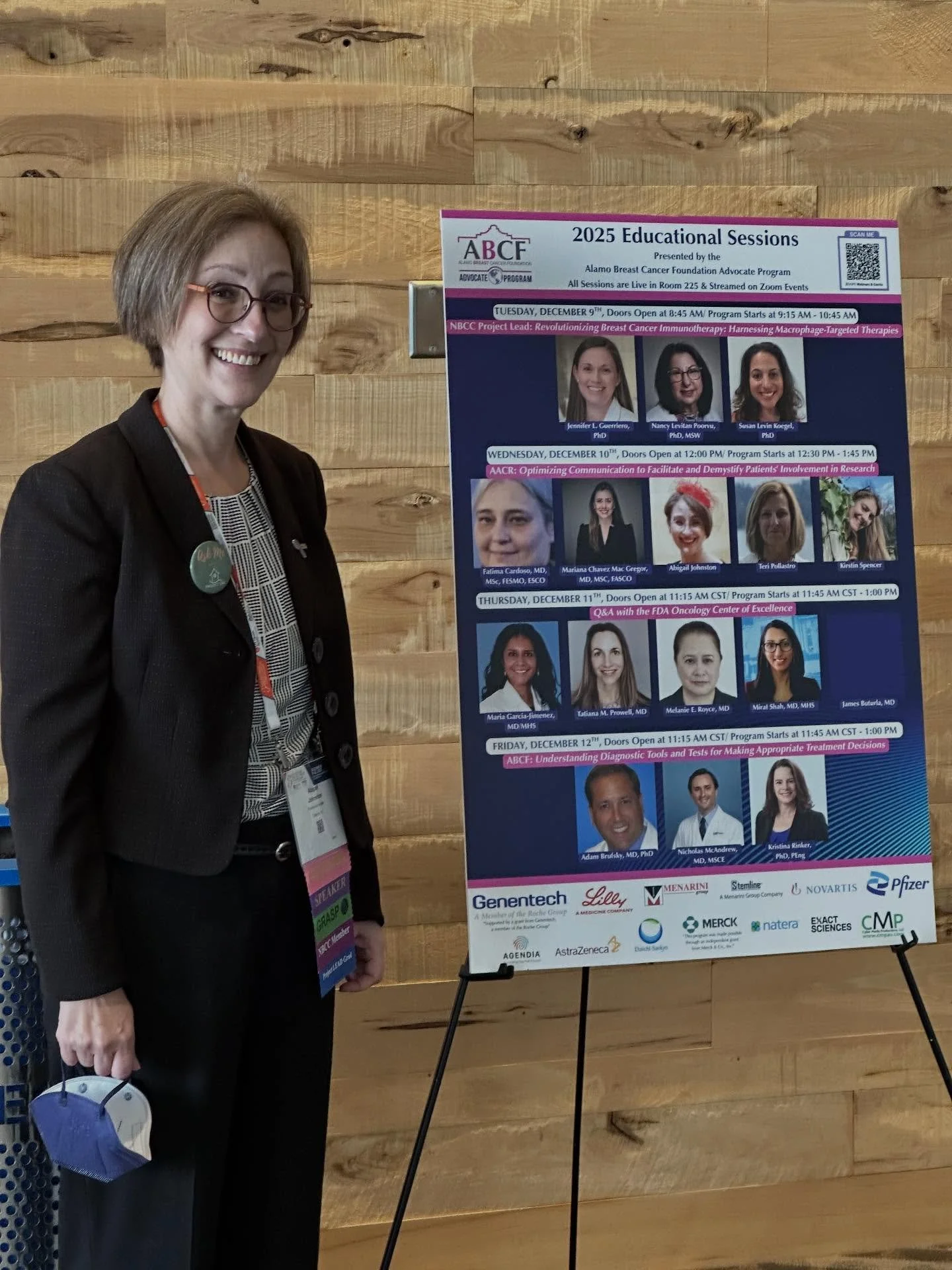
Abigail Johnston lives in Orlando, Florida and has been an attorney since 2002. In 2017, while tandem breastfeeding her boys (then 1 and 3), Abigail was diagnosed with de novo Stage IV Metastatic Breast Cancer (MBC) and soon thereafter discovered that she has a genetic mutation that predisposed her to developing cancer at ATM. Since her diagnosis, Abigail has focused her efforts on patient advocacy and supporting those people in the MBC Community through her experience and training, virtually and in person. She currently serves as the Director of Mentorship, Legal Clinics and financial services at Project Life, a founding member of the PIK3CA Pathbreakers, and volunteers with a variety of organizations including the MBC Alliance, FORCE, METAvivor, and many others. Connect with Abigail via her blog at NoHalfMeasures.blog.
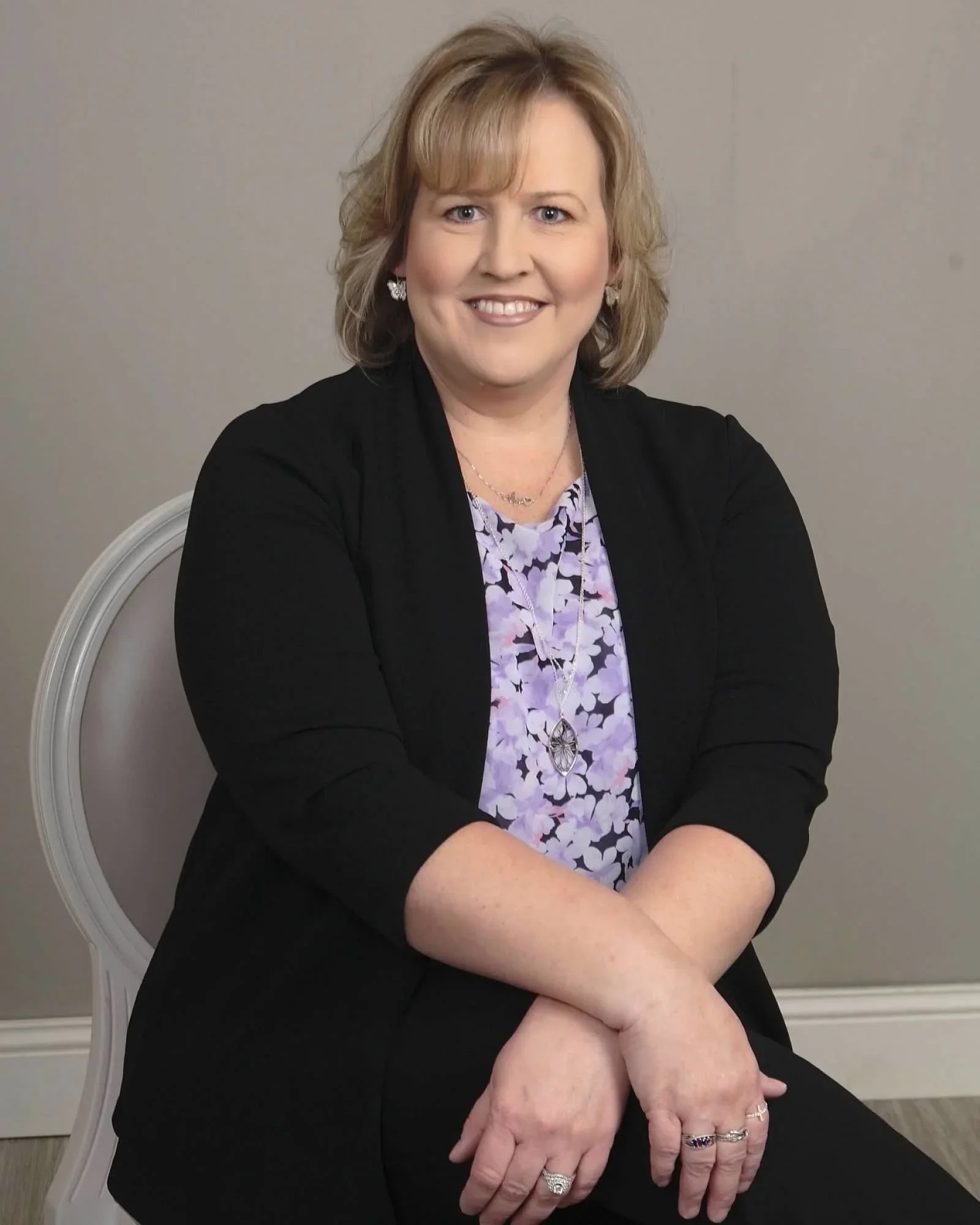
Melanie Sisk was a wife, mom of two young boys, and working full-time as a Registered Nurse when she was diagnosed with Stage 1A Breast Cancer at the age of forty-three. She completed her recommended surgery and radiation and was on endocrine therapy. Melanie thought she had put cancer behind her because she did everything right. However, she was diagnosed with Metastatic Breast Cancer at the age of forty-seven. Due to her metastatic treatment protocol and disease, she retired from her nursing career. Melanie has dived into advocacy work with an urgency to do what she can, while she can. She helped to start and moderate a local support group in her area of North Carolina called Piedmont Triad METsters. She is a trained volunteer with Cancer Services, Inc. and a Peer to Peer Support Group Leader and Light Up MBC State Captain for METAvivor. She is a Living Beyond Breast Cancer 2023 Hear My Voice MBC leadership alumna and a mentor with Project Life. She also serves on the MBC Leadership Committee for Surviving Breast Cancer. She is also a part of the new initiative, PIK3CA Pathbreakers.
Summary
Join hosts Melanie Sisk and Abigail Johnston as they shine a light on the real experiences of managing cancer symptoms. In each episode of the Symptoms Spotlight series of short episodes, we explore different symptoms caused by cancer or its treatment, sharing practical insights and hard-won wisdom directly from patients who've been there.
This isn't just medical information—it's peer-to-peer support at its finest. Melanie and Abigail believe that patients learn best from each other, and that we're stronger together. Each episode features candid conversations about symptom management strategies, what works, what doesn't, and the collective knowledge of the cancer community.
In this episode, Melanie and Abigail Johnston tackle one of cancer's most challenging side effects: fatigue. With 5-8+ years of experience managing treatment-related exhaustion, they share practical strategies that have helped them maintain quality of life. Topics include structured exercise programs (LiveStrong at YMCA, 2Unstoppable, Cancer Wellness for Life), Medicare fitness benefits like Silver Sneakers, medication interventions including Ritalin for severe fatigue, and the value of palliative care specialists. They also emphasize basics like proper nutrition, hydration, and monitoring blood work for underlying issues like low hemoglobin or vitamin deficiencies.
Whether you're navigating treatment side effects, managing ongoing symptoms, or supporting someone who is, Symptom Spotlight offers the kind of practical, patient-centered guidance you won't find in a textbook. Have a symptom you'd like us to cover? Let us know—this series is driven by what matters most to you.
Key Takeaways: Cancer-Related Fatigue
Understanding Cancer Fatigue:
Cancer-related fatigue is distinctly different from normal tiredness—it doesn't improve with rest
It can persist for years during treatment (5-8+ years for the hosts)
CDK 4/6 inhibitors are a common cause of significant fatigue
Exercise Programs & Resources:
LiveStrong at YMCA: Free 12-week program with family membership included; teaches proper exercise techniques and machine usage
2Unstoppable: Remote cancer exercise program with weekly live sessions and accountability buddies
Cancer Wellness for Life: 12-week holistic program by Sami Mansfield covering exercise, nutrition, and lifestyle shifts
Medicare & Insurance Benefits:
Medicare Advantage plans often include Silver Sneakers program
FitOn is a leading digital wellness platform that offers the most premium content, the widest variety, and unique social experiences. No equipment needed— unlimited access on any screen.
These provide free gym memberships for those on disability
Medical Interventions:
Ritalin can help manage severe cancer-related fatigue (consult palliative care specialists)
Fewer side effects than excessive caffeine consumption
Palliative care doctors are valuable resources for symptom management
Basic Health Monitoring:
Check vitamin levels regularly (B12, iron, hemoglobin)
Iron infusions and B12 shots can provide significant relief
Maintain proper nutrition, hydration, and eat plenty of fruits and vegetables
Always consult your provider before starting new exercises, especially if you have bone metastases or pain
The Counterintuitive Truth: Exercise helps fatigue, even though it feels impossible when you're exhausted. Community and accountability make it easier to maintain.
-
[00:01:29] Melanie Sisk: Today we are gonna be talking about cancer related fatigue. I think we all experienced that. How about you, Abigail?
[00:01:37] Abigail Johnston: Oh, yes. Eight and a half years of it.
[00:01:41] Melanie Sisk: Wow, so you've dealt with it a lot longer than me. I've dealt with fatigue for five. A little over five years now, and mine, I feel like is mostly coming from the CDK4/6 inhibitors.
I've been on two different ones, and I feel like that's the biggest side effect that I've had to deal with with cancer is the fatigue. It's just you're tired all the time and it's like you sleep, but then you wake up and you're still tired, so it doesn't matter how much rest you get. It's like it never fully goes away.
Have you experienced that, Abigail?
[00:02:17] Abigail Johnston: I have. And I went through college and law school. I had two babies and I thought I knew how to handle fatigue, but cancer related fatigue is a whole other animal.
[00:02:29] Melanie Sisk: It really is. You look back on your life and you think, how did I do all those things that I did?
And then you're like, gosh, I can't do it now. But one thing that I think that has helped me is exercise. Which I will say I'm not a big exerciser. I never have been. So that's not something that comes easy to me. And I'm married, I have two grown children. I have husband, they're all at work and doing school and things like that.
So I'm here by myself. So there's really nobody that helps me to. Encouraged me to, Hey, let's go to the Y. Let's work out today. But one thing that I did find really helpful was the Live Strong program that they have at the YMCAs. Not all YMCAs participate in the program, but if you live near one that does, I would highly recommend it because it's a 12 week program.
It's really intended for people after cancer treatment, but they do let people like us, the stage four cancer patients, they let us in and you get a free membership, you and your whole family to the YMCA for the whole duration of the program, which is 12 weeks. And they really teach you how to do all these different exercises and how to use all the different machines and you can find really what your niche is, what you like, what you enjoy.
So I really did enjoy that. But it has been a problem since I finished the program to really, get the enthusiasm to go by myself, which is hard 'cause you're tired, you don't feel like getting up and going to the gym. But if you do, it actually does help you feel better.
[00:04:06] Abigail Johnston: It's amazing how a little bit of community and accountability can help with so many of these things, right? Because it's so counterintuitive, you're tired, and yet exercise helps. But the science really tells us that that's what it does. And so there are two resources I wanted to talk about that I have utilized in my experiences with cancer related fatigue.
One is 2Unstoppable, the number two unstoppable. And it is an organization completely remote and they have cancer exercise programs and there are specific metastatic groups where you get a buddy. You meet once a week live and then actually use the exercises that are taught to you during the live session.
You practice them throughout the week. I think the real magic is that buddy and the accountability of somebody else saying, Hey, have we scheduled it for this week? The other one is Cancer Wellness for Life, and Sami Mansfield is the founder of that organization and she also has a program, it takes 12 weeks and she really looks at more than just exercise.
Also nutrition and how you can shift. That's the name of the program. You can shift your life instead of maybe going to the gym for a little bit and then stopping, starting, that sort of thing. But there's also some programs through Medicare, right, Melanie?
[00:05:35] Melanie Sisk: There are, I am on disability, so I'm no longer working and I am on a Medicare Advantage plan and some of the different plans have what they call either a SIL a Silver Sneakers or they may have a fit on program. But what that is, is basically gives you a free membership to any kind of, gym that has a membership. So I would say if you're on disability, on, a Medicare Advantage plan or a Medicare plan, check and see what your plan has because that may be something that you can utilize and we know when it comes to cancer. We have pain, right?
Depending on where your meds are. People have bone pain, they have all, all sorts of pain. So I would really suggest you talk to your provider and make sure that it's okay for you to do certain exercises and things like that. But I think just being able to go and building that self-confidence up that, hey, I can do more than I think, and it does make me feel better.
I have the Silver Sneakers on my program, which is mostly older people, and I'm only 52. Right. But hey, it's a free membership to the Y. I'll take it.
[00:06:46] Abigail Johnston: Absolutely. I did wanna talk about one other intervention that was a little bit surprising to me. During the 18 months that I was on an ADC Inhertu, I experienced the most cancer related fatigue that I have had in all of the time that I've been living with metastatic disease.
And it was more debilitating than I realized. So I went to my palliative doctor and I might've been complaining a little bit about how I didn't like how I was feeling, and she suggested that I try Ritalin. Now I do not have ADHD, so I had never utilized Ritalin or any of the other medications in that class for treatment.
So that is something that can be a little limiting. So if you're using Ritalin or one of the other medications in that class to treat something else, it might not help with cancer related fatigue, however, it really helped me. I took one a day during the times that I was the most fatigued, which was like the week and a half after each infusion, and just that little boost gave me the ability to do just a little bit more.
The other thing that was really helpful was when I would drink a lot of coffee. Not only did that really upset my gut, I would get just a lot of the shakes when the caffeine was so it was building up in my body. Being on Ritalin didn't give me those extra side effects, and so it was a good solution for me during that time when the fatigue was really, was really significant.
So if that's something that you think might be helpful, I found that talking to my palliative doctor was the most productive. My medical oncologist didn't have as many ideas as my palliative doctor had. So just a little bit of a shout out for having a palliative doctor on your team because their sole focus is to help you deal with your symptoms and make sure that your quality of life is maintained as much as possible on each line of treatment.
Anything else to add, Melanie?
[00:08:51] Melanie Sisk: That's really good to know, and I think that's something that we all can put in our toolbox. The other thing I can think of is just eating good fruits and vegetables, drinking plenty of water. We know that really helps us. So that can be something. And also, you know, you're usually your oncologist just checking your blood work, but just checking all your vitamin levels and things like that.
That can be another way that they may find something that's underlying, that may be causing your fatigue to be a little bit worse. So those are just the things that I can think of.
[00:09:20] Abigail Johnston: Absolutely. When I watched my hemoglobin go down on various lines of treatment, that was certainly a good indication that that was a good thing to look at.
Getting an iron infusion when my iron bottomed out, that really helped. And man, so those B12 shots sometimes can be really helpful also. So such a good reminder look at things that are not necessarily a prescription before maybe going to a prescription but sitting down with somebody to look at all of that.
Just so invaluable.
