
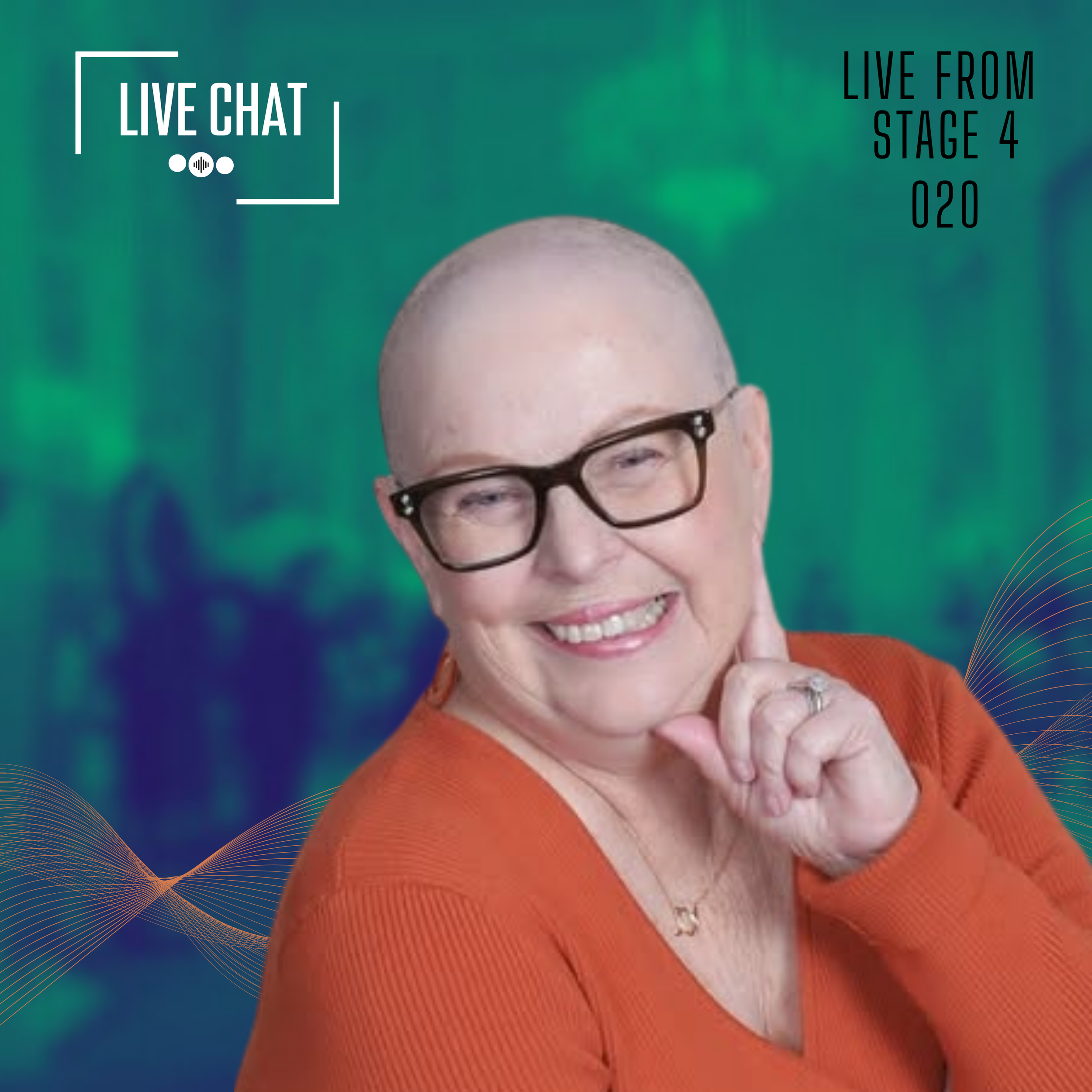
Live from Stage 4 | Episode #020 | 03/1/2026 | Live Chat
Listen to full episode :
Guest
Dar Hoover Finkelstein
Aprominent patient advocate and therapeutic clown who focuses on supporting the metastatic breast cancer (MBC) community.
Local Advocacy & Support Groups
Charlotte METsters: After finding a lack of local support specifically for stage IV patients, Dar founded the Charlotte METsters. This peer-led support group meets for educational and social activities, often hosting sessions at Carolina Breast Friends’ "The Pink House".
Support via Social Media: She manages the Choose to Live with Joy Facebook group, where she shares inspiration and advocacy resources with the local and national MBC community
Therapeutic Clowning & Community Work
Medical Clowning: Dar and her husband perform as therapeutic clowns, notably volunteering for Make-A-Wish Foundation events in the Charlotte area.
Hospital Outreach: She is known to perform as a "Santa clown" and other characters to spread joy to patients in local hospitals.
Community Events: She has been a long-time participant in local awareness events like the Susan G. Komen Race for the Cure
Media & Public Speaking
Survivor’s Story
": Her journey from a stage II diagnosis to living with metastatic disease has been featured as a Survivor’s Story on WBTV in Charlotte.
Our MBC Life Podcast: As a producer and host, she often represents the "Trailblazers of Charlotte," highlighting grassroots organizations dedicated to the city's breast cancer community.
Quick Summary
Background
Dar Finkelstein has been living with metastatic breast cancer for six and three-quarters years, following an initial early-stage diagnosis 13 years prior—a nearly 20-year cancer experience running parallel to her 20-year marriage. Known throughout the MBC community as "The Queen of Joy," Dar and her husband embrace life as "Peanut Butter and Jelly," a clowning duo who have brought levity and joy to others through volunteering with charities like Make-A-Wish.
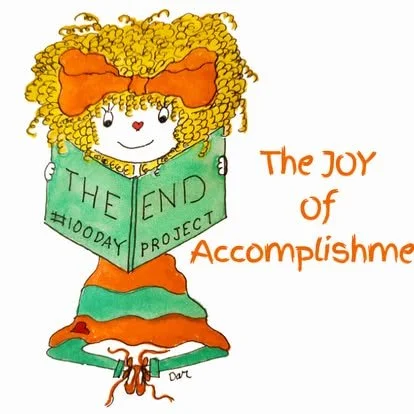
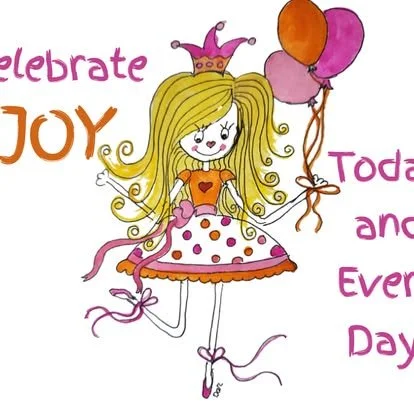
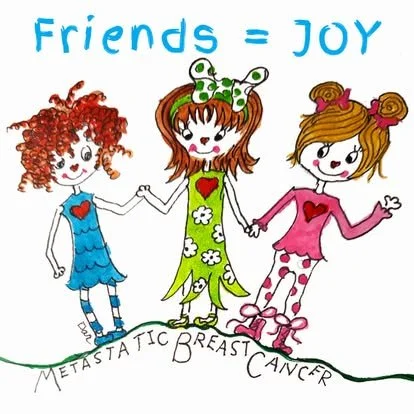
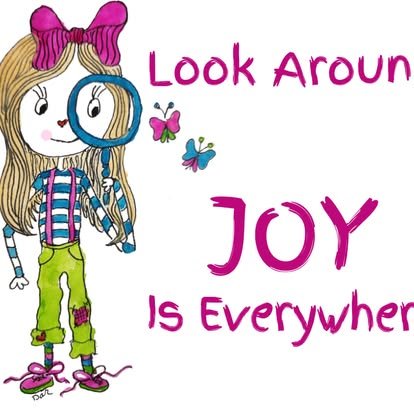
Her signature joy drawings have become beloved within the community—whimsical sketches of little girls and boys paired with uplifting quotes that Dar created as part of the Hundred Day Project. For two consecutive years, she committed to drawing these joyful characters daily, sharing them on social media to spread joy to others. When cancer progression affected her motor capabilities and she could no longer create new drawings, Dar began resharing her archive of joy illustrations. These simple, heartfelt images became visual representations of her mission: to give joy, receive joy, and teach others how to find joy no matter their circumstances. Even when she was too exhausted to reply to friends' messages or maintain her social media presence, these drawings continued to make people smile—a testament to the lasting impact of choosing joy.
The Decision to Stop Treatment
During the 2025 holiday season, Dar reached a turning point. She had been measuring her quality of life using a simple metric: if she spent more than 75% of her week stuck on the couch or in bed, unable to participate in life, it was time to reconsider treatment. The holidays crystallized this reality—she couldn't help prepare food, could only play cards briefly before retreating to a comfortable chair, and lacked the energy even to maintain her beloved joy social media posts.
The decision itself, Dar explains, wasn't as difficult as she anticipated. Her body was simply done—exhausted from the relentless side effects of treatment that were no longer providing adequate disease control. The hardest part was saying the words to her oncologist, a 15-minute conversation that left both women in tears as they processed the reality together.
The "Honeymoon Period"
After stopping treatment, Dar entered what she and her husband call "the honeymoon period"—a time when she feels better than she has in years. Free from the crushing fatigue and "chemo feel" of treatment, she's experiencing genuine quality of life. Her calendar fills with visits from family and friends, though she's learned to pace herself carefully, going out only every other day to preserve her limited energy.
Faith and Preparation
Dar's Methodist faith serves as a refuge during this transition, strengthened by intimate conversations she had with her own mother during her mother's 10-month hospice experience. Those coffee-shop conversations about fears, faith, and what comes after death now sustain Dar. Her mother's belief that loved ones will recognize each other "by our hearts" in the afterlife brings Dar comfort.
Practically, Dar is thoughtfully preparing her space—ensuring she can see birds from her bed, keeping fresh flowers visible, creating playlists with her daughter, and establishing a "closed door" signal for when she needs solitude. She's asked family to save emotional outbursts for outside her room, though tears are welcome.
The Support System
Dar credits her extraordinary support system, particularly her husband "Peanut Butter," who openly discusses difficult topics and fully supports her choices while honestly expressing his own grief. Her MBC community has organized a rotation of friends to stay with her, honoring her husband's concern about falls and balance issues. She acknowledges not everyone has this level of support and wishes she could "wave a magic wand" to give others the same.
Advice for the Community
Dar's guidance for others facing similar decisions centers on preparation and openness:
Start conversations about end-of-life wishes early, long before they're necessary
Establish trust with your oncologist and maintain open communication
Find at least one person you can be completely honest with—preferably someone else with MBC who "gets it"
Consider attending webinars or seminars about end-of-life planning to normalize these discussions
Remember that death is a natural part of life, and once you're comfortable with your personal approach, it becomes easier to discuss with others
Key Takeaways
1. Quality Over Quantity is a Valid Choice
Dar's 75% threshold—spending more than three-quarters of her time unable to participate in life—became her clear signal that treatment was diminishing rather than enhancing her existence. This metric empowered her to make a decision aligned with her values.
2. Stopping Treatment Doesn't Mean Giving Up
The "honeymoon period" after ending treatment revealed that Dar feels healthier and more present now than during her final treatment cycles. Choosing to stop can be an act of reclaiming life, not surrendering it.
3. Start the Conversations Early
Dar began discussing end-of-life preferences with her oncologist years before needing to act on them. This preparation made the actual decision less overwhelming and ensured her wishes were clearly understood.
4. Almost Welcome Progression When Quality of Life on a Treatment is Poor
Dar describes moments when cancer progression felt like relief because it freed her from treatments with intolerable side effects. This counterintuitive response highlights how treatment burden can exceed disease burden.
5. Find Your People
Whether it's an MBC friend who understands without explanation, a trusted oncologist, a therapist, or a faith community, having people who can hold space for difficult conversations is essential. Dar emphasizes that this might require searching—not everyone will be comfortable discussing death.
6. Joy and Grief Can Coexist
Dar's friend reframed tears as "love coming back to you"—helping her see that making loved ones cry wasn't causing pain, but rather witnessing their joy and love being reflected back. This perspective allowed Dar to accept others' grief without guilt.
7. Death is Personal, Not Universal
While death is a natural part of life, Dar emphasizes that when it becomes YOUR death, it's deeply personal. There's no one "right" way to approach it—some share publicly like Dar, others keep it private. Both are valid.
8. Practical Planning Brings Peace
From music playlists to flower preferences, from room arrangements to "closed door" signals, Dar's detailed planning for her physical space and daily routines gives her control and comfort during an otherwise uncontrollable process.
9. The Smaller World Can Be Fuller
As Dar's physical world contracts, her priorities have clarified: time with family and friends, quiet moments alone in her sunroom, fresh flowers, and simple comforts. Big things matter less; presence matters more.
10. You Can Choose Joy Until the End
Dar's lifelong "joy mission" hasn't ended with her treatment. Even in hospice, even facing death, she continues to model that joy isn't dependent on circumstances—it's an eternal choice available regardless of what we're going through.
Final Thought from Dar: "This is just another part of life. And it's just what happens. If this helps at least one person, that's all I ever look at is one person, and that's enough for me."
