
Say Their Name: Remembering Dr. Jill Tirabassi
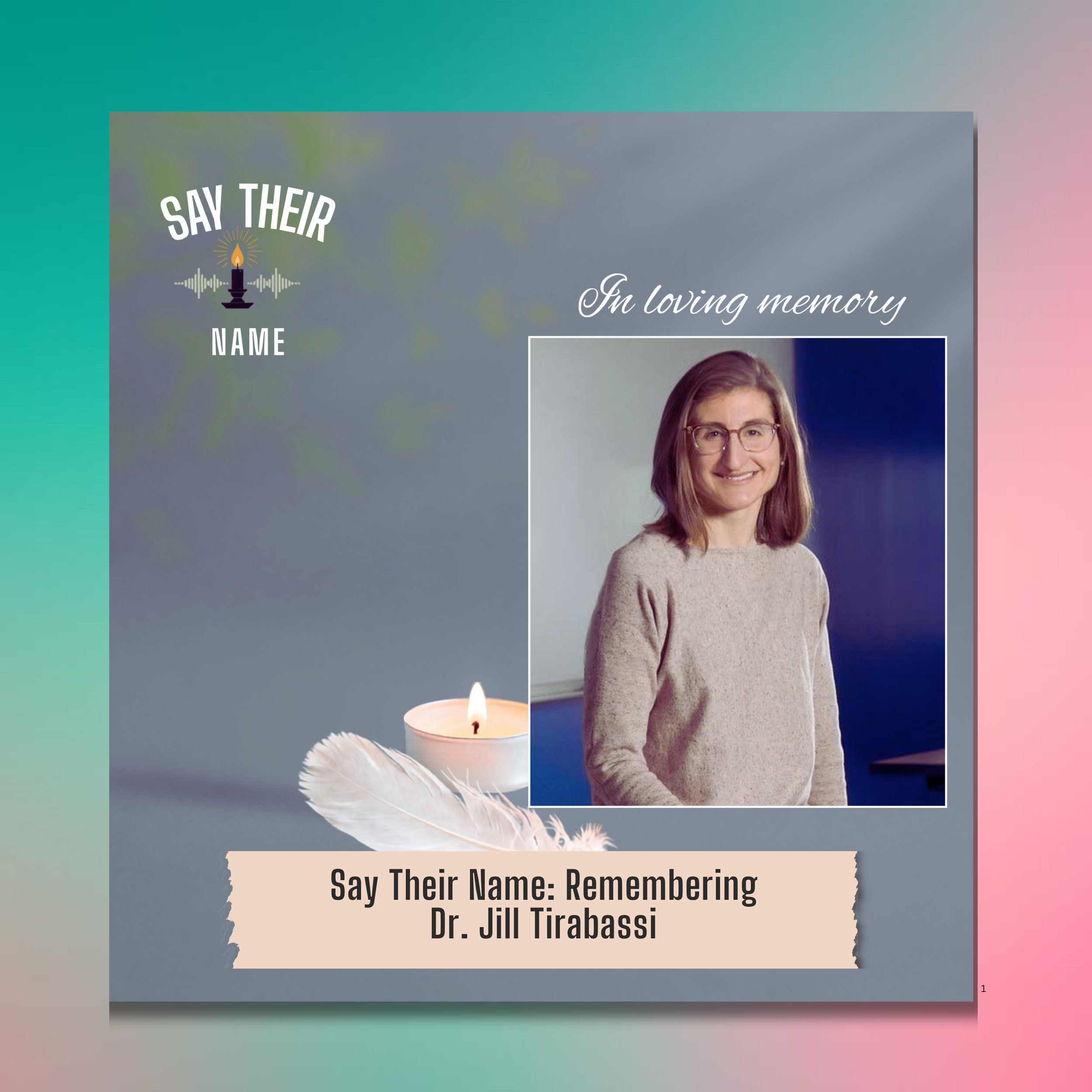
Live from Stage 4 | Episode # 045| 09/15/2026 | Say Their Name
Listen to full episode :
Summary
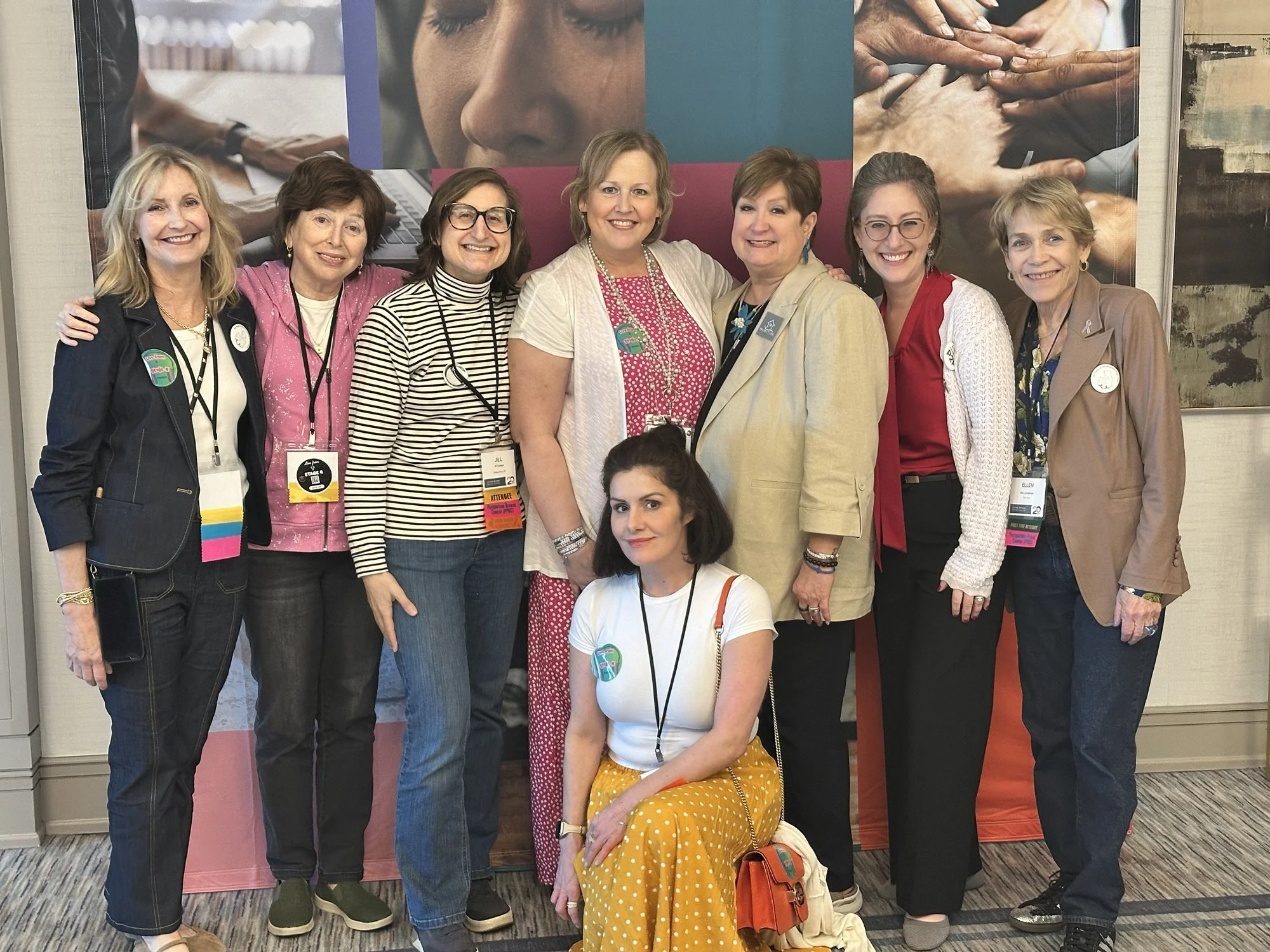
LBBC Conference April 2026 (left to right): Lynda Weatherby, Victoria Goldberg, Jill Tirabassi, Melanie Sisk, Amy Russell-Parliman, Abigail Johnston, Ellen Landsberger, Alexis Desai
This is the first episode of a series we never wanted to make.
Jill Tirabassi was a physician in Buffalo, a mother of two little boys, a lifelong athlete, a gardener who was happiest with dirt on her hands, and a member of the Live From Stage IV team who said yes to this podcast before it existed. She was diagnosed with de novo metastatic breast cancer while pregnant with her second son. She died on Monday, September 7th. She was 40.
What you'll hear is our team meeting, the first one after we lost her. Nobody was ready to record. We did anyway. Lisa, Alexis, Ellen, Lynda, and Abigail talk about the Bills, Heated Rivalry, postpartum breast cancer, why the word "pregnancy-associated" has to go, and what it means to keep going.
Then Abigail Johnston reads the essay she wrote for her blog, No Half Measures, the morning we recorded. It says the thing the rest of us were circling.
Read it here: https://nohalfmeasures.substack.com
Jill's episodes, including Shit We Deal With and the Heated Rivalry conversation, are in our feed. Her voice is still there.
Forever live from Stage IV.
Jill’s Episodes
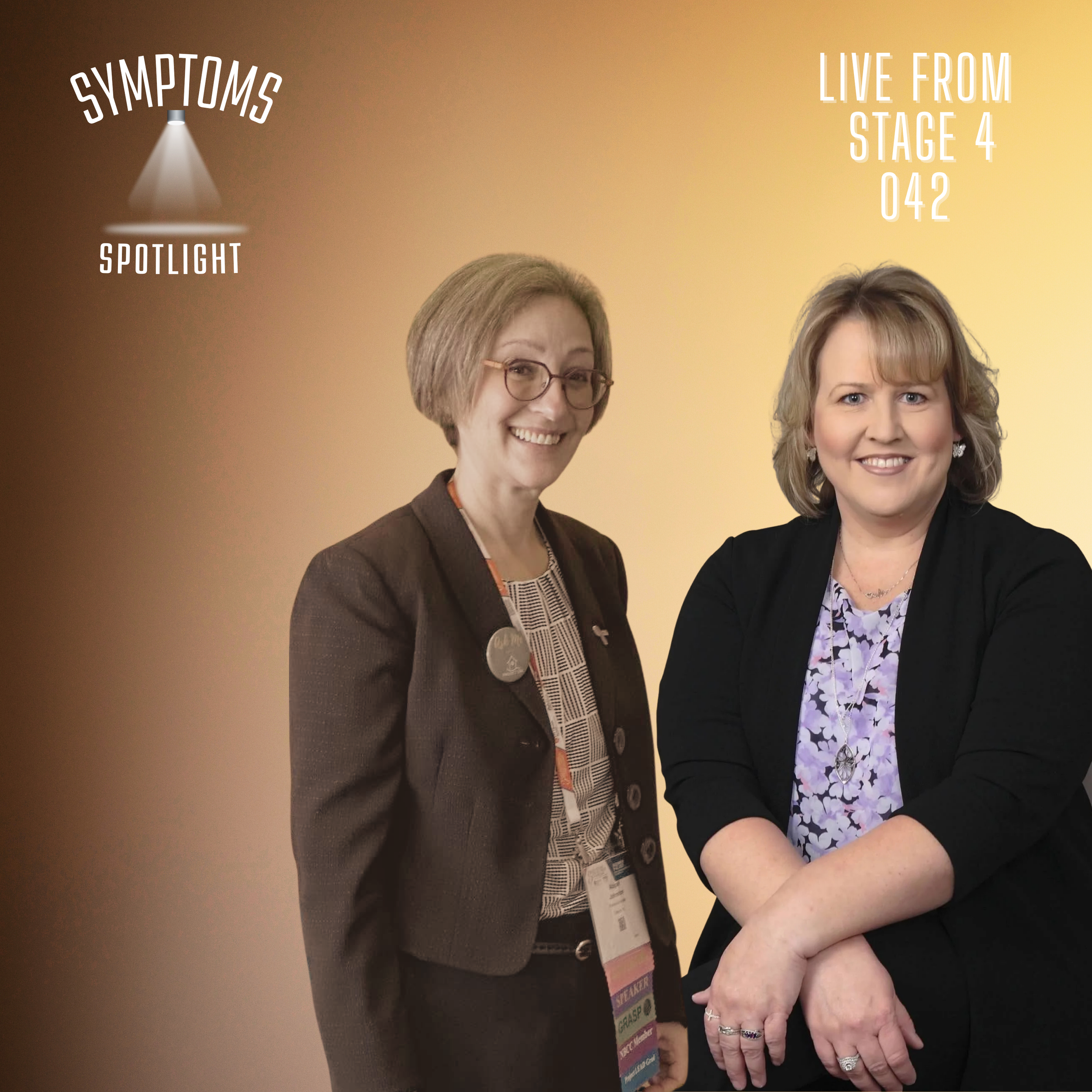
Dr. Jill Tirabassi joins Abigail and Melanie to explain ascites — the fluid buildup in the abdomen that can occur with metastatic breast cancer. Speaking as both a physician and a patient who's experienced it firsthand, she covers the symptoms to watch for, treatment options like paracentesis, and why advocating for your own comfort matters. A candid, hopeful conversation about a daunting topic — including why ascites isn't always permanent, or even always caused by the cancer itself.
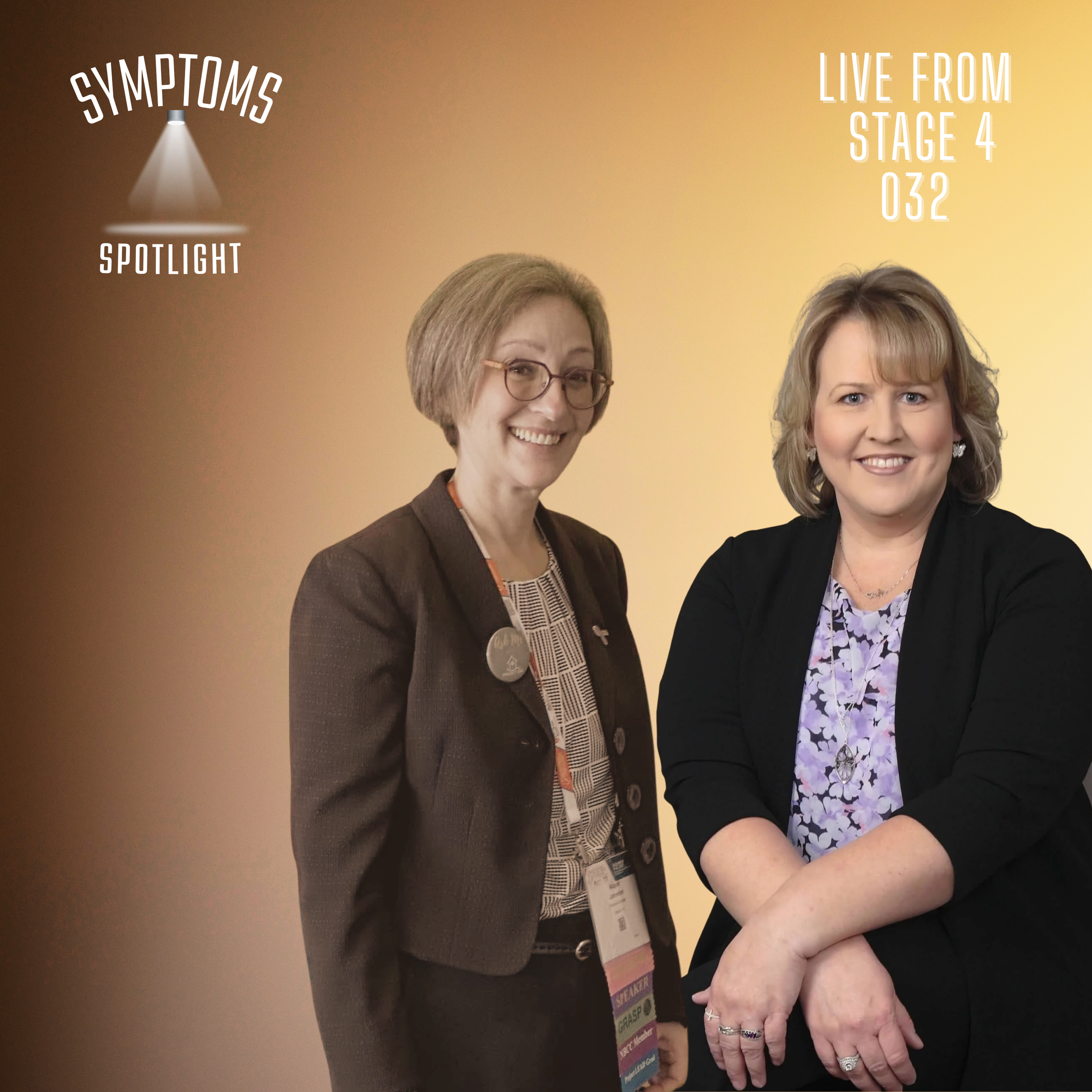
If you've ever gotten a blood draw before chemo and heard your nurse mention your ANC, this episode is for you. Neutropenia, a low white blood cell count, is one of the most common side effects of cancer treatment, and understanding it can make a real difference in how you advocate for yourself. Dr. Jill Tirabassi joins hosts Abigail Johnston and Melanie Sisk to break it all down, from what your numbers mean to what to do when they drop too low, and all three bring their own patient experiences to the table.
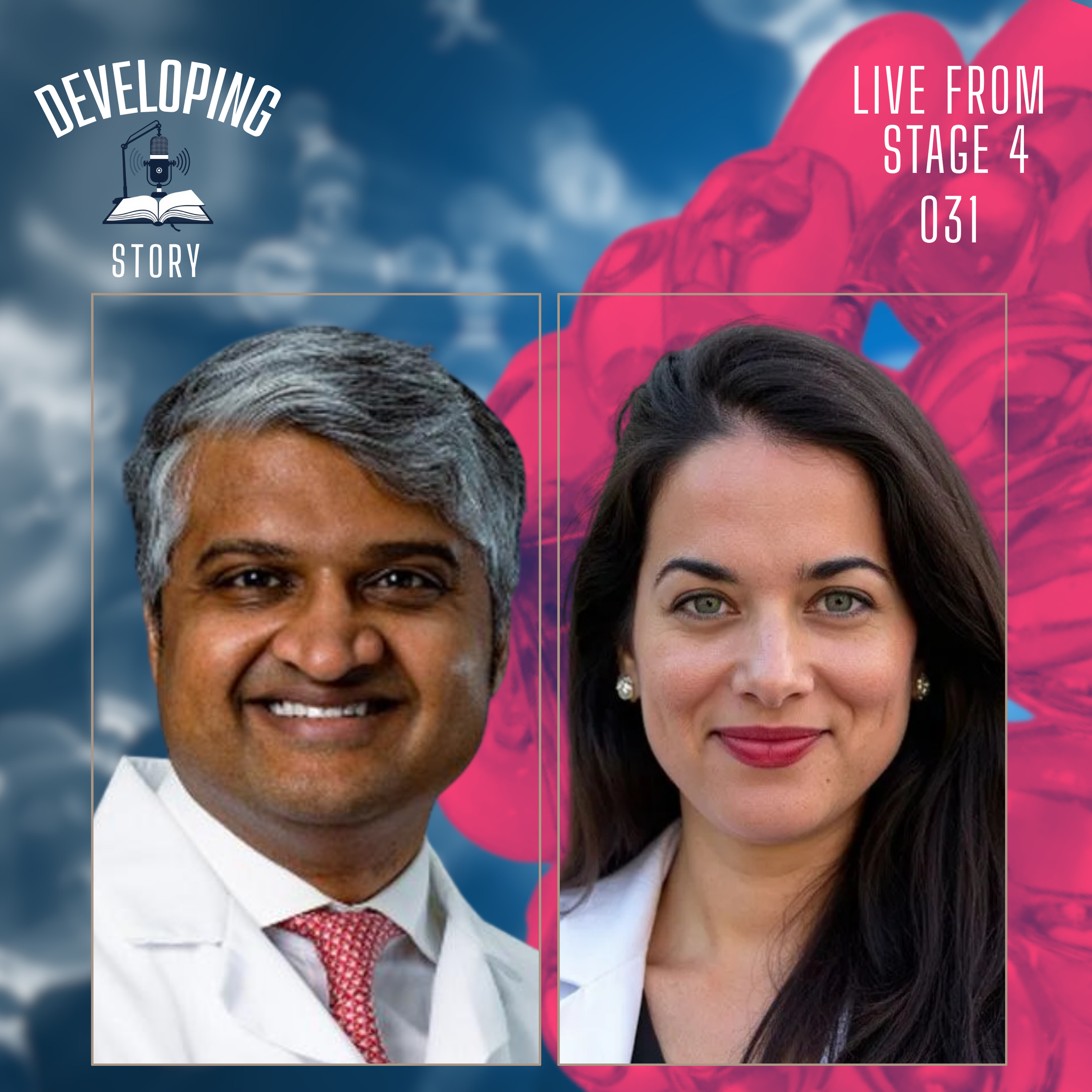
When the ODAC voted 6–3 against the camizestrant strategy, the headlines told you what happened — this episode tells you why. We're back for round two with Dr. Sarah Sammons, newly appointed Co-Leader of Breast Oncology at the University of Maryland Greenebaum Comprehensive Cancer Center, and Dr. Neil Vasan, Acting Chair of the ODAC and Director of Translational Research in Breast Cancer at NYU Langone Health, who sat in that room and cast one of the three yes votes. Alongside patient advocates Janice Cowden and Abigail Johnston, we break down the four FDA critiques that drove the vote, what the quality of life data showed and why regulators couldn't act on it, and what the FDA's new August 14th review deadline means for patients. Plus: why this science isn't going anywhere, and what ctDNA-guided treatment could look like in the very near future.

Six MBC patient advocates join host Victoria Goldberg to break down the FDA advisory committee's vote on camizestrant and the SERENA-6 trial. The panel unpacks what the vote really means, whether the science of molecular progression is ready for clinical practice, and why patient advocates need a seat at the table before trials are designed.
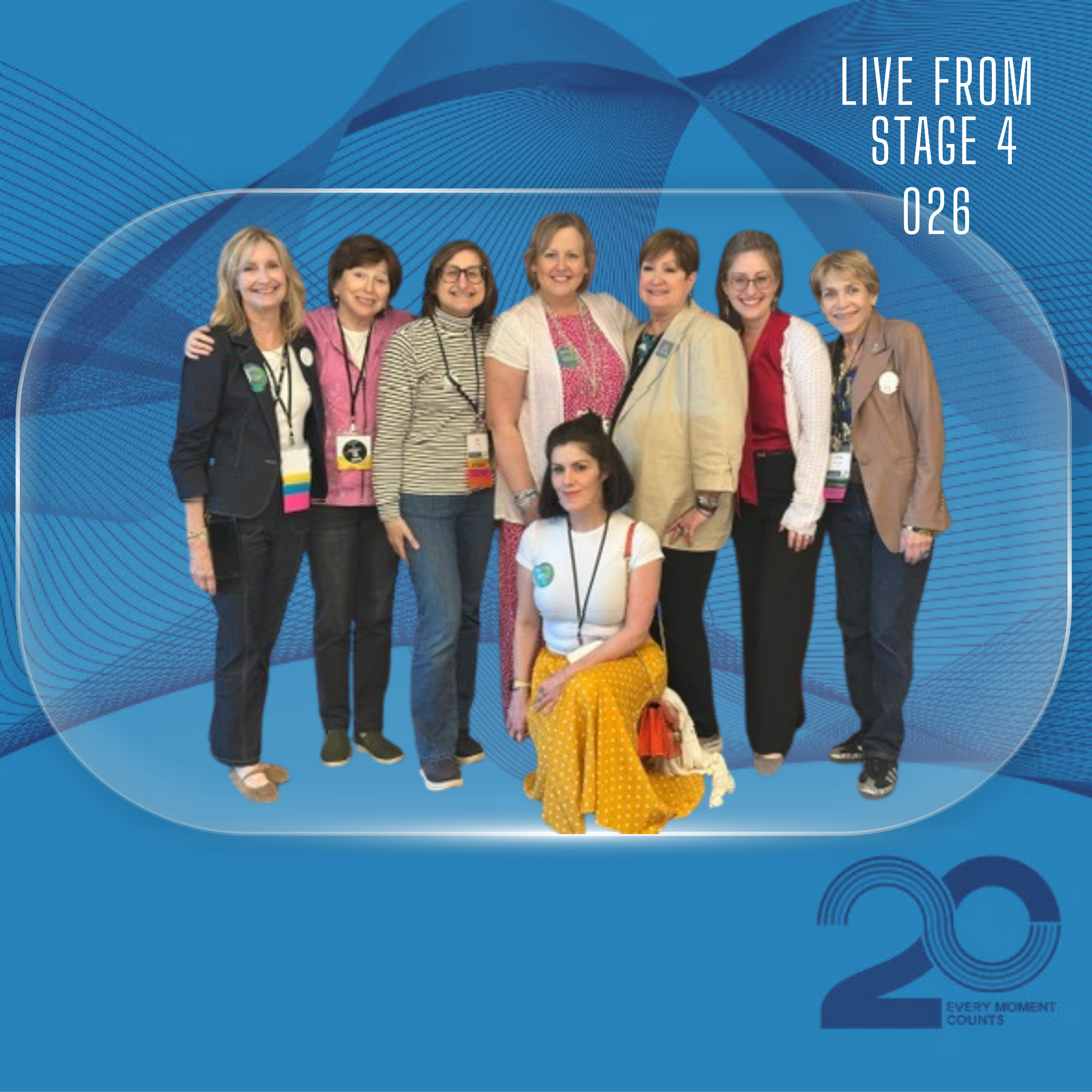
"You walk into a room full of people living with metastatic breast cancer and you just... break down. Not because it's sad — though it is — but because for the first time, you're not alone in it."
Twenty years in, LBBC's Thriving Together Conference is still doing what no other event in the MBC space does: bringing patients together not just to learn, but to find each other. In this episode, four MBC patients who attended the 2026 conference share what moved them, what the science is saying, and why they'll keep coming back.
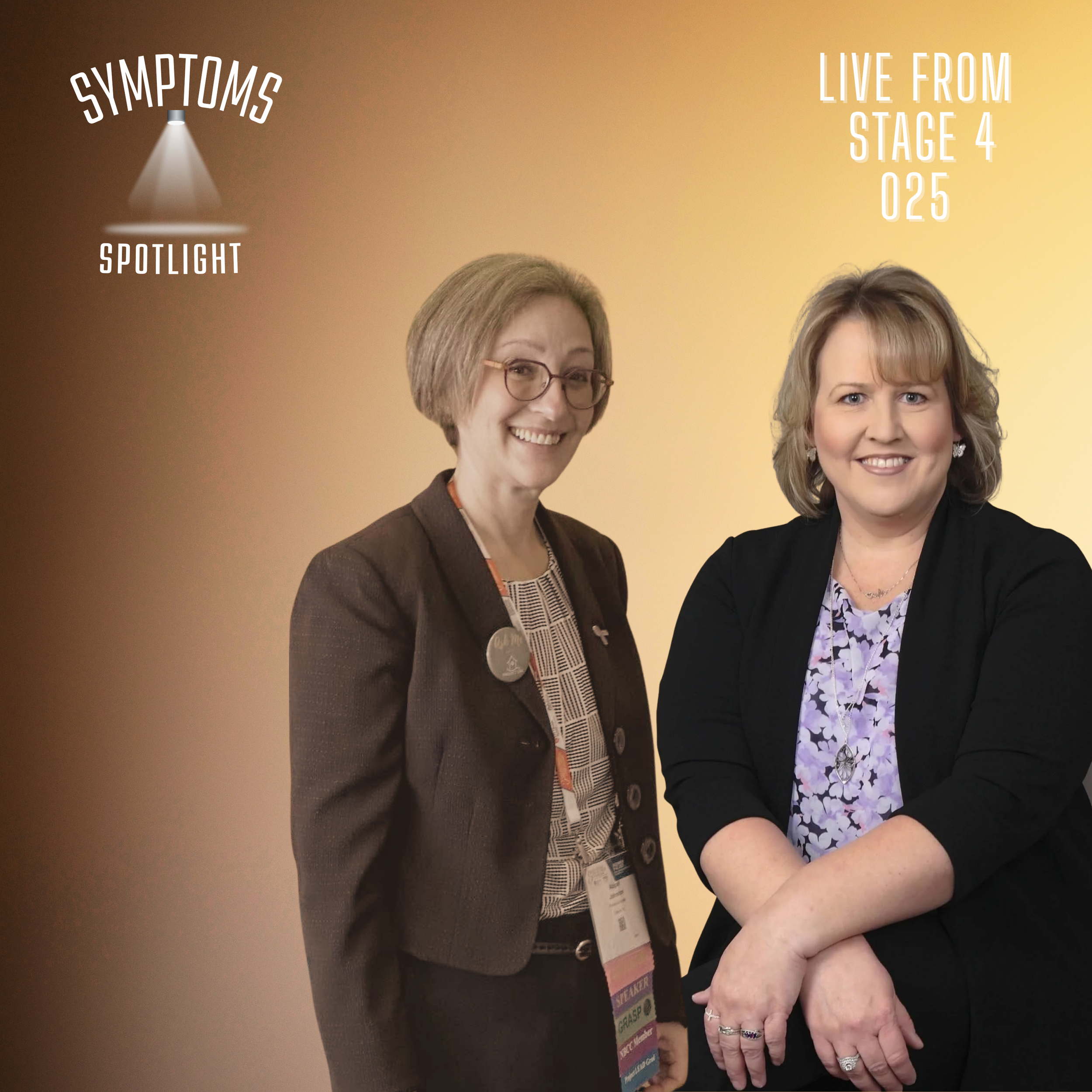
"Hair may seem like a small thing compared to staying alive. But hair is such an integral part of who we are — of how we see ourselves, and how the world sees us. It's important not to ignore the effect that losing our hair may have on our wellbeing." — Abigail Johnston
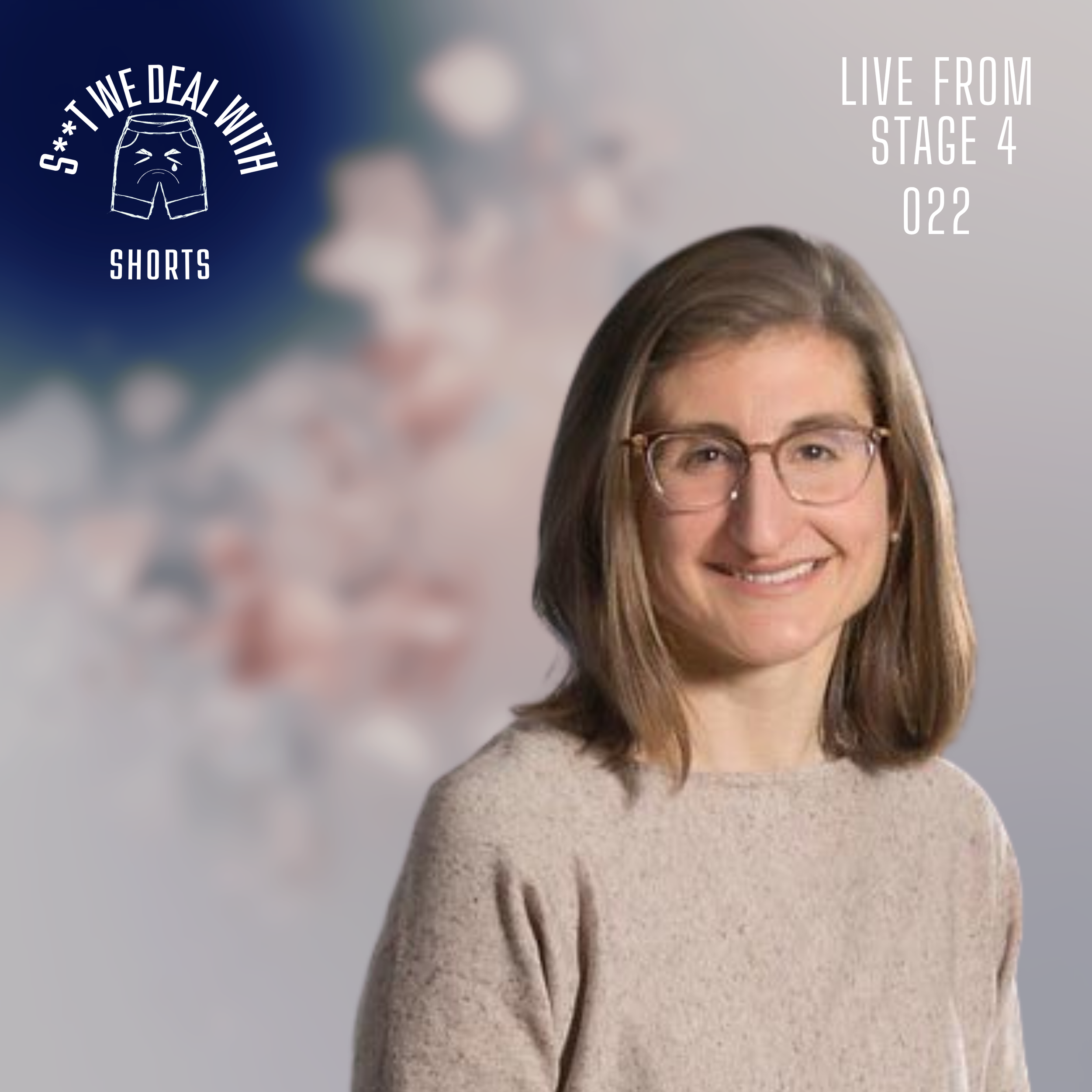
"You hear things like, 'living with cancer is a full-time job.' And actually this was an interesting study where we looked to see what truly is the time burden for people living with either metastatic breast or ovarian cancer... The time spent waiting and traveling for care often exceeded the amount of time receiving care. Most days, participants had a home cancer-related task to do—80% of days. The median was about 209 minutes per week doing cancer related tasks at home."
— Dr. Jill Tirabassi explores new research quantifying the invisible labor of living with metastatic cancer
When Steve Brown's doctors missed his rare blood cancer for months, he turned to AI for answers. The system he built spotted the warning signs immediately—the same lab results his physicians had dismissed.
Now, as CEO of CureWise, Steve and patient advocate Lisa Booth are pioneering a new approach to cancer care: using AI agents trained as specialist doctors to help patients navigate treatment options, find clinical trials, and advocate effectively with their oncologists.
"There's a gap between what's possible and what most people are getting," Steve explains. "Cancer isn't just one disease. Everybody has their own unique version of it."
Lisa, an 11-year metastatic breast cancer survivor, adds: "My oncologist sees 600 patients. CureWise empowers me to show up to that seven-minute appointment with the right questions already researched and the clinical trials already identified."
This conversation explores how AI is transforming patient empowerment—and why knowledge might just save your life.

Victoria and Jill discuss their obsession with HBO Max's "Heated Rivalry," exploring why this hockey romance has become the perfect escape from MBC realities. Victoria shares personal insights as a Russian speaker, and the hosts draw parallels between sports teams and their community. Spoilers included!

This is a special episode released Oct 13 for National Metastatic Breast Cancer Awareness Day. It is the first in our recurring series, we call “MBC Insiders.” We’ll explore the issues that matter most to people with MBC, including how the language clinicians and media use can harm or help, and candid conversations about progression and the idea of “cure.” Stay tuned for an important, honest discussion.

In the world where breakthrough cancer treatments hang in the balance, federal funding cuts are threatening to derail critical research that could save countless lives.
Our guest is Dr. Gloria Echeverria, a molecular biologist and passionate advocate for scientific discovery, who leads her own lab at Baylor College of Medicine. Her team investigates the molecular and genetic mechanisms that make TNBC resistant to standard treatments like chemotherapy and radiation.She shares what it’s like to run a research lab in today’s climate, the challenges of securing funding, and the ripple effects these cuts have on training the next generation of scientists, advancing new therapies, and supporting patient advocates.

In this powerful panel episode, hosts Victoria Goldberg and Abigail Johnston are joined by Dr. Jill Tirabassi and Alexis Desai—each bringing their unique perspective as patients, advocates, and experts living with metastatic breast cancer (MBC). Together, they share personal stories about navigating diagnosis, the critical role of research in extending lives, and the real-world challenges of accessing clinical trials.
The conversation dives deep into why research funding matters, how advocacy can drive change, and the urgent need for patient-centered care. Whether you’re a patient, caregiver, or ally, this episode offers insight, hope, and a call to action for everyone invested in the future of cancer research.
Tune in to hear firsthand experiences, learn about the latest advocacy efforts, and discover how you can help move the needle for those living with MBC.
